The New Startup Model: One Founder, One AI, Billion-Dollar Potential

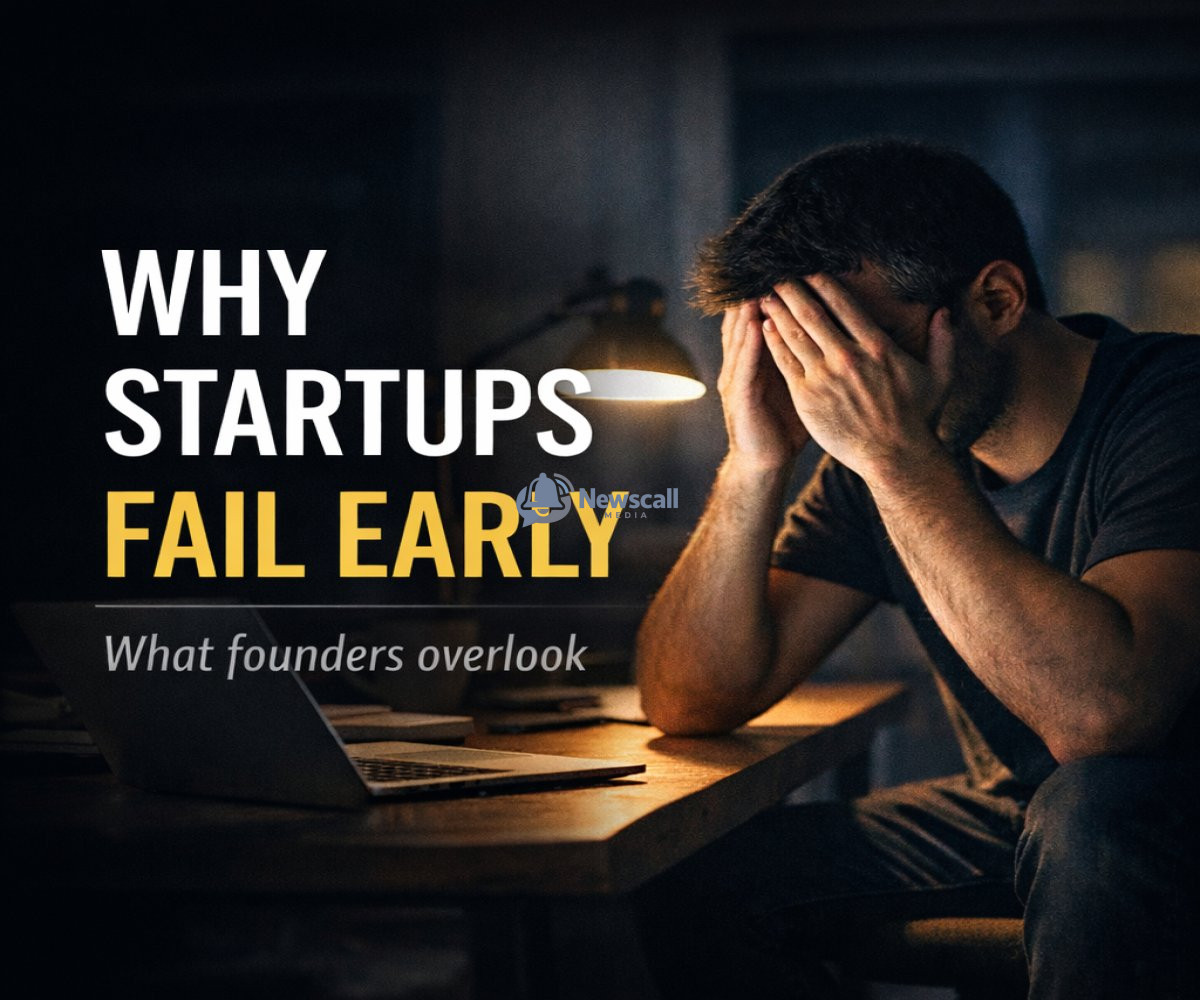
A new pattern is emerging in the global startup ecosystem: companies being built by a single founder supported heavily by artificial intelligence systems, raising questions about how software businesses are formed, scaled, and funded.
The shift is being driven by rapid advances in AI tools that can now handle tasks traditionally distributed across full engineering, design, and operations teams. From writing code and designing interfaces to managing customer support workflows, AI systems are increasingly taking on roles once considered core human responsibilities in early-stage startups.
As a result, some founders are experimenting with lean company structures where a single individual oversees product direction while AI agents handle execution-heavy work. This approach is reducing the time and capital required to move from idea to product launch, allowing startups to reach market faster than in previous cycles.
Venture capital firms have taken notice of the trend. Early-stage investors are increasingly evaluating startups based on product output and scalability potential rather than team size, a shift that reflects confidence in AI-assisted development workflows.
Industry observers say this model is especially visible in AI-native startups, where founders are building tools that rely on large language models and automation systems as core infrastructure rather than supporting features. In these cases, the distinction between “product team” and “product itself” is becoming less clear.
However, the model is still controversial. Critics argue that while AI can accelerate development, it cannot fully replace the strategic, creative, and operational depth provided by experienced teams. Concerns also remain around sustainability, product quality, and long-term scaling limits.
Despite this, the momentum continues to grow. More founders are publicly sharing stories of launching startups with minimal teams, sometimes consisting of just one person supported by AI tools for coding, marketing, and operations.
If the trend continues, it could reshape early-stage entrepreneurship, lowering the barrier to entry while redefining what it means to build a technology company in the first place.
The idea of a startup is no longer strictly tied to team size. Increasingly, it is being defined by leverage — and in this new model, AI is becoming the primary multiplier.

Victor Oluebubechukwu Akuma.
Creative writer