

Putin Visits China After Trump “Putin Lands in Beijing Days After Trump, Signaling Russia–China Unity”
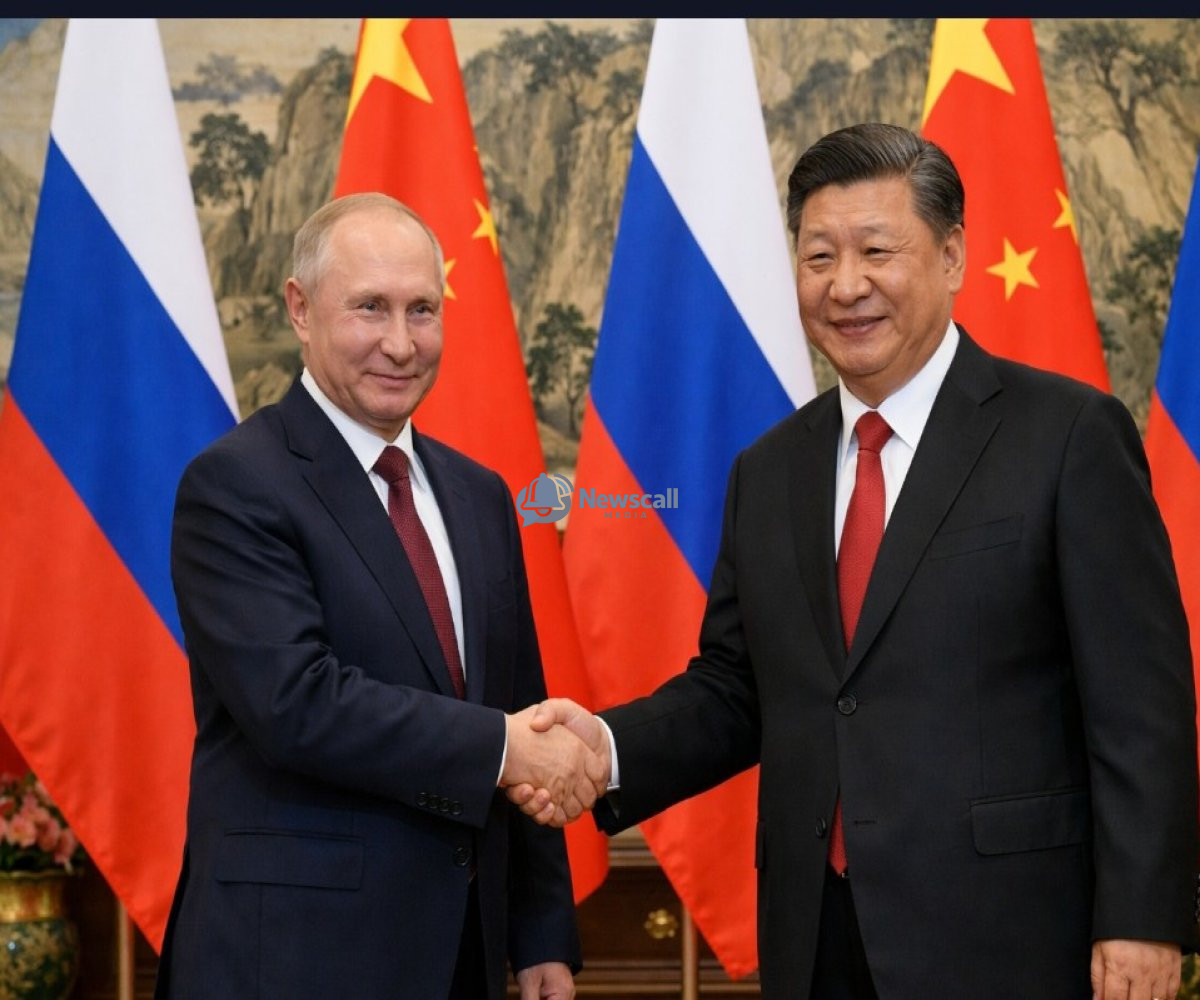
P utin’s Visit to China After Trump: A Diplomatic Ballet in Beijing
When Vladimir Putin touched down in Beijing on May 19, 2026, the optics were unmistakable. Just days after Donald Trump’s high-profile visit to China, the Russian president arrived to underscore Moscow’s “unshakeable” ties with Beijing. The timing was no accident. It was a deliberate diplomatic choreography designed to project China’s growing leverage in a fractured global order.
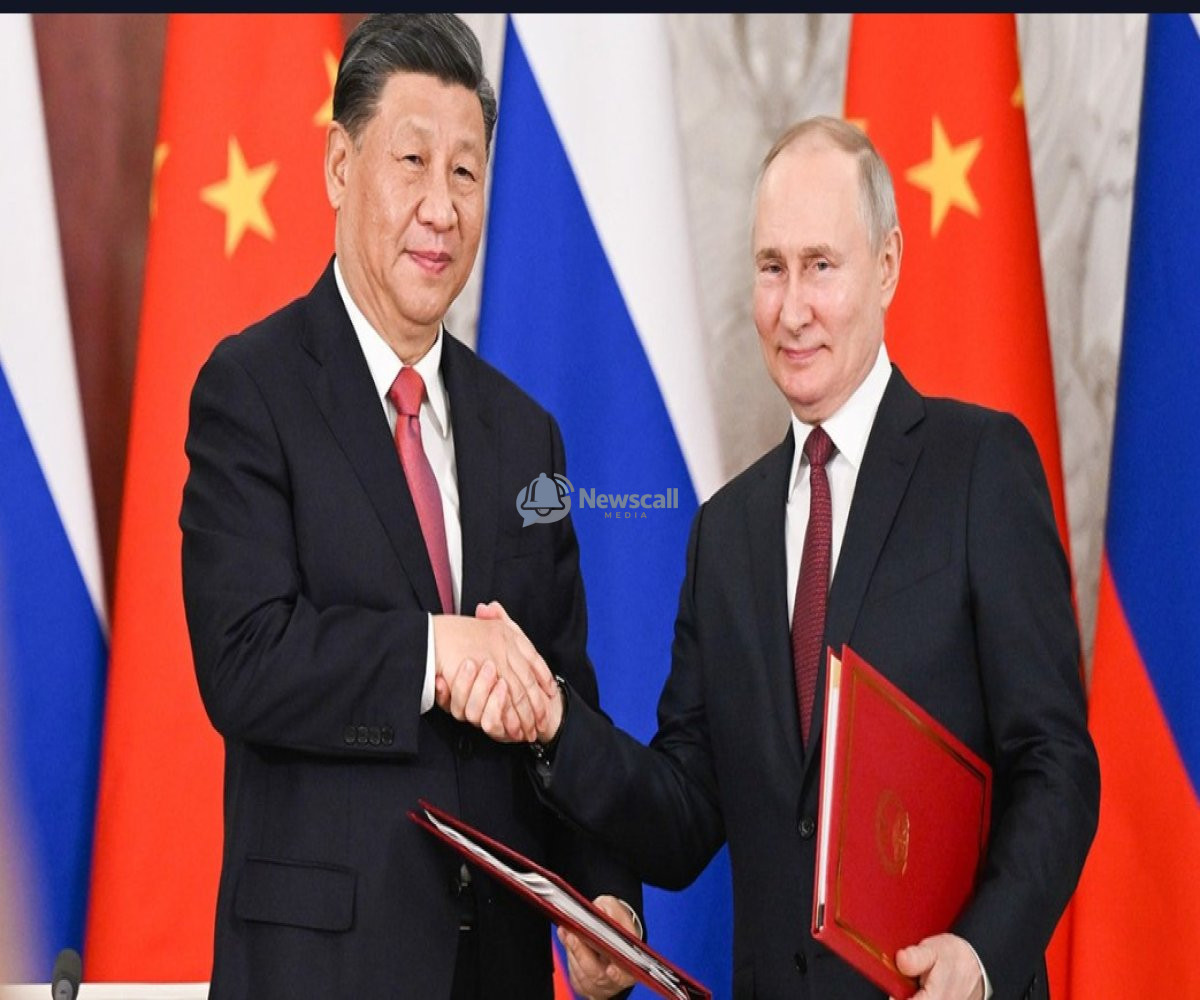
Putin’s official agenda was to commemorate the 25th anniversary of the Treaty of Good-Neighborliness and Friendly Cooperation, signed in 2001. Yet the symbolism of his presence went far beyond ceremonial anniversaries. For China, hosting back-to-back visits from two rival powers was a flex of its diplomatic muscle, positioning itself as a central broker capable of engaging both Washington and Moscow on its own terms.
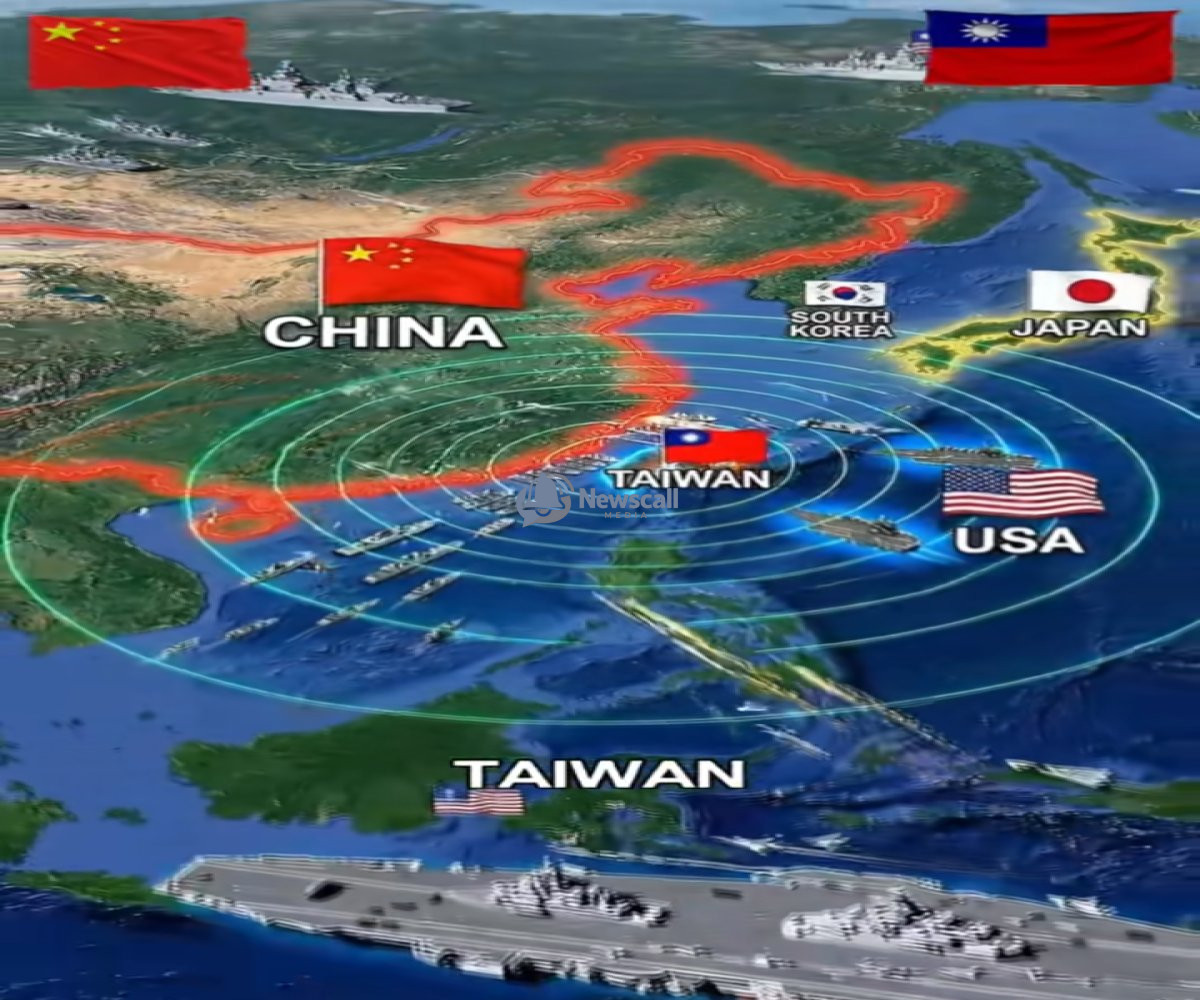
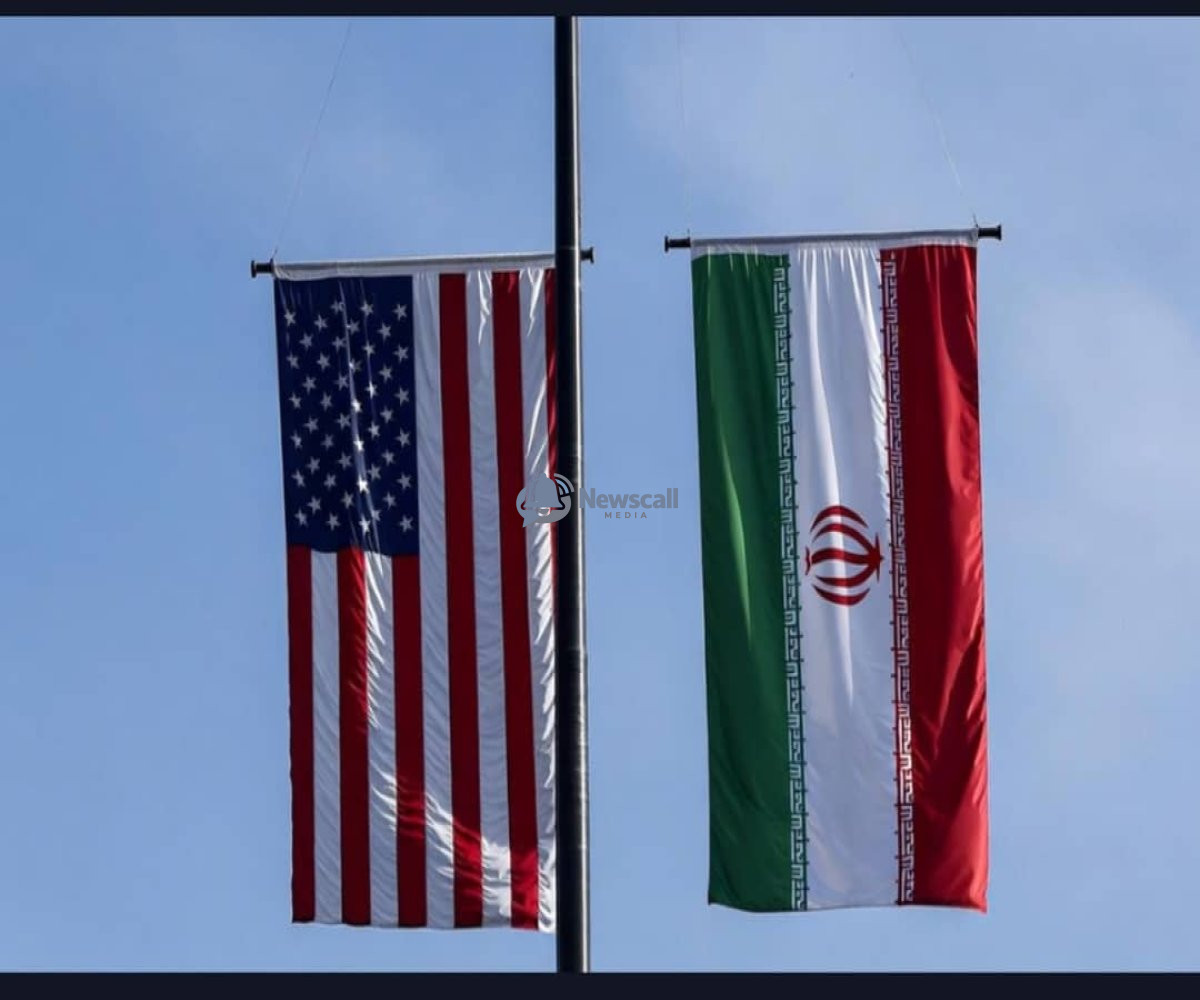
While Trump left Beijing touting “fantastic trade deals,” analysts noted little progress on the thornier issues—Taiwan, the war in Iran, and the enduring conflict in Ukraine. That suited Putin well. With Washington and Beijing still at odds, Moscow could rest assured that China would not sidestep its strategic partnership with Russia.
The Xi-Putin relationship has deepened since Russia’s invasion of Ukraine in 2022. Cut off diplomatically from much of the West, Moscow has leaned heavily on Beijing, its largest buyer of sanctioned oil and gas. The imbalance is clear: Russia needs China more than China needs Russia. Yet the optics of warm handshakes, red-carpet receptions, and declarations of “dear friendship” serve to mask this asymmetry.”)
Among the substantive issues discussed was the “Power of Siberia 2” pipeline, a massive project to channel Russian natural gas to China via Mongolia. For Moscow, it represents a lifeline to diversify energy exports away from Europe. For Beijing, it is a pragmatic hedge, securing energy supplies amid Middle Eastern instability.”)
Ultimately, Putin’s visit was less about breakthroughs and more about continuity. It reinforced the narrative of a “privileged strategic partnership” between Moscow and Beijing, even as China simultaneously seeks stable relations with Washington. The juxtaposition of Trump’s transactional diplomacy and Putin’s symbolic reassurance highlighted Beijing’s unique position: a power able to host adversaries in quick succession, while keeping its own interests firmly at the centre.

OKORO WILSON EGWU
“Independent journalist delivering sharp, reporting on global conflicts, humanitarian crises, and international diplomacy. Known for transforming complex world events into...