

Labor’s Tax Overhaul Sparks Anxiety Among Startups, Investors and Small Businesses
Labor’s Tax Overhaul Sparks Anxiety Among Startups, Investors and Small Businesses
Australia’s ruling Australian Labor Party is facing growing backlash over sweeping tax reforms that supporters say will make housing fairer, but critics fear could damage startups, small businesses and investor confidence.
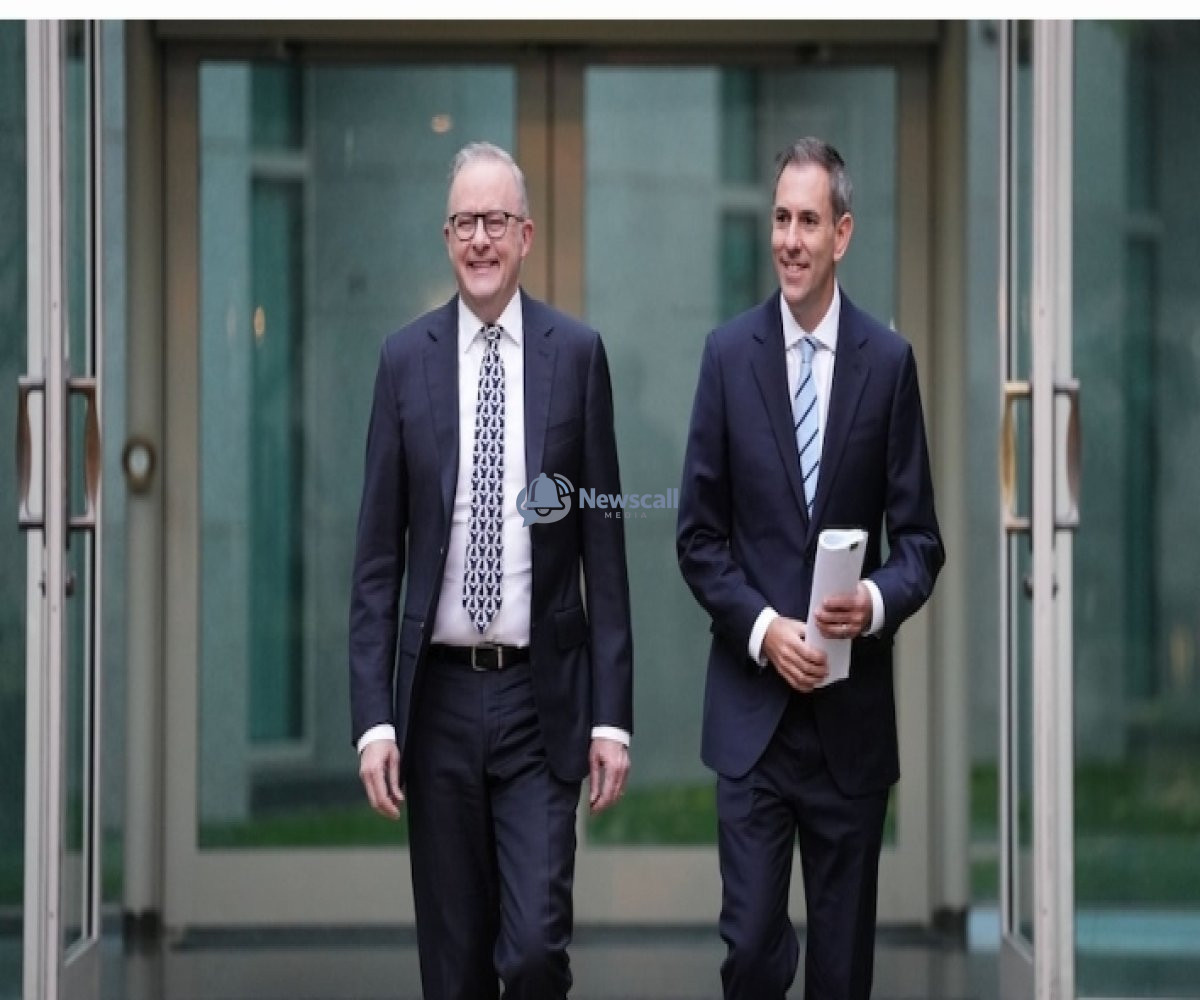
Prime Minister Anthony Albanese and Treasurer Jim Chalmers have spent days defending the changes after concerns erupted across business circles, investment communities and social media following the federal budget announcement.
At the centre of the debate are Labor’s proposed changes to capital gains tax, negative gearing and discretionary trusts — reforms the government says are designed to rebalance the economy and improve housing affordability for younger Australians.
But while some voters have welcomed the crackdown on investor tax advantages, others warn the measures are creating uncertainty at a time when startups and small businesses are already struggling with rising costs and economic pressure.
The proposed reforms would significantly reshape how investment profits are taxed in Australia.
Under Labor’s plan, future negative gearing would be limited to newly built homes, while the long-standing 50 per cent capital gains tax discount would be scrapped and replaced with a system linked to inflation.
The changes would apply not only to property investors, but also to assets such as shares and cryptocurrencies. Investors would also face a new minimum 30 per cent tax rate on gains.
That announcement immediately triggered alarm among startup founders, small business owners and younger investors, many of whom argue the reforms punish risk-taking and entrepreneurship.
The backlash quickly exploded online.
A viral social media trend emerged in which startup founders used artificial intelligence to insert Albanese into photos of their businesses, jokingly portraying the prime minister as a “47 per cent co-owner” of their companies.
The meme referenced concerns that some business owners could face tax rates as high as 47 per cent when selling their businesses under the new system.
While economists say the claim oversimplifies the reality, the campaign gained traction because it captured growing frustration among entrepreneurs.
Independent economist Kristen Sobeck noted that many small businesses would still qualify for concessions that reduce their tax burden significantly.
Still, startup founders argue perception matters politically as much as policy details.
Frank Greef, co-founder of Kinso AI and one of the creators behind the viral trend, admitted the campaign was designed to force public attention onto the issue.
He argued many Australians would ignore technical tax explanations unless the message was simplified into something emotionally powerful and easy to share online.
Inside Labor ranks, MPs are privately acknowledging the political danger.
Several lawmakers reportedly fear the trust reforms in particular could become vulnerable to misinformation campaigns if the government fails to clearly explain how the changes work.
Housing Reforms Winning Some Support
Despite the backlash from business groups, Labor has also received positive reactions — especially from younger Australians frustrated by soaring property prices.
Some Labor MPs say voters have welcomed attempts to reduce tax incentives that overwhelmingly benefit wealthy property investors over first-home buyers.
The government believes the current tax system has distorted the housing market for years by rewarding speculative investment while making home ownership harder for younger generations.
Treasurer Chalmers argues the reforms are intended to create a “fairer and more neutral” tax system while helping address Australia’s worsening housing affordability crisis.
Polling after the budget, however, suggests many Australians remain unconvinced, with several surveys indicating more voters believe the reforms will leave them financially worse off.
Trust Tax Changes Add Fresh Pressure
Another major source of concern is Labor’s proposed 30 per cent tax on most discretionary trusts.
The policy is intended to close loopholes often used to minimise tax, but business owners warn it could create unintended consequences for family businesses and small enterprises structured around trusts.
The issue is particularly sensitive in states such as Queensland and Western Australia, where businesses restructuring away from trusts could face additional stamp duty costs on transferred assets.
Albanese has acknowledged the concerns and said the federal government is consulting with state governments and industry groups to reduce unintended impacts.
The reforms are expected to take effect from mid-2028, with Labor promising transition support for businesses forced to restructure.
The government is also consulting venture capital firms and startup representatives before draft legislation is introduced in parliament.
The political fight over tax reform is shaping into one of the biggest economic battles of Albanese’s second term.
Labor argues Australia’s tax system has long favoured asset owners over workers, contributing to widening inequality and locking younger Australians out of housing markets.
The opposition Liberal Party of Australia has fiercely attacked the reforms, accusing Labor of targeting entrepreneurs, investors and family businesses.
Shadow Treasurer Tim Wilson has described the changes as a “death tax by stealth” and argued the government is punishing Australians who build wealth through investment and business ownership.
For Labor, the challenge now is political as much as economic.
The government must convince voters the reforms are about fairness and housing affordability — not hostility toward success or entrepreneurship.
Labor’s tax overhaul has opened a fierce national debate about wealth, housing and economic fairness in Australia.
While many younger Australians support moves to curb investor advantages in the property market, growing anxiety among startups, investors and small businesses threatens to become a major political problem for the Albanese government.
With draft legislation expected in coming weeks, the government now faces a difficult balancing act: reforming the tax system without damaging confidence among the very businesses it also wants to encourage.

Nwekwe Esther Amarachukwu
Public speaker,Research-driven writer covering politics and public affairs, committed to accuracy, and meaningful public discourse.