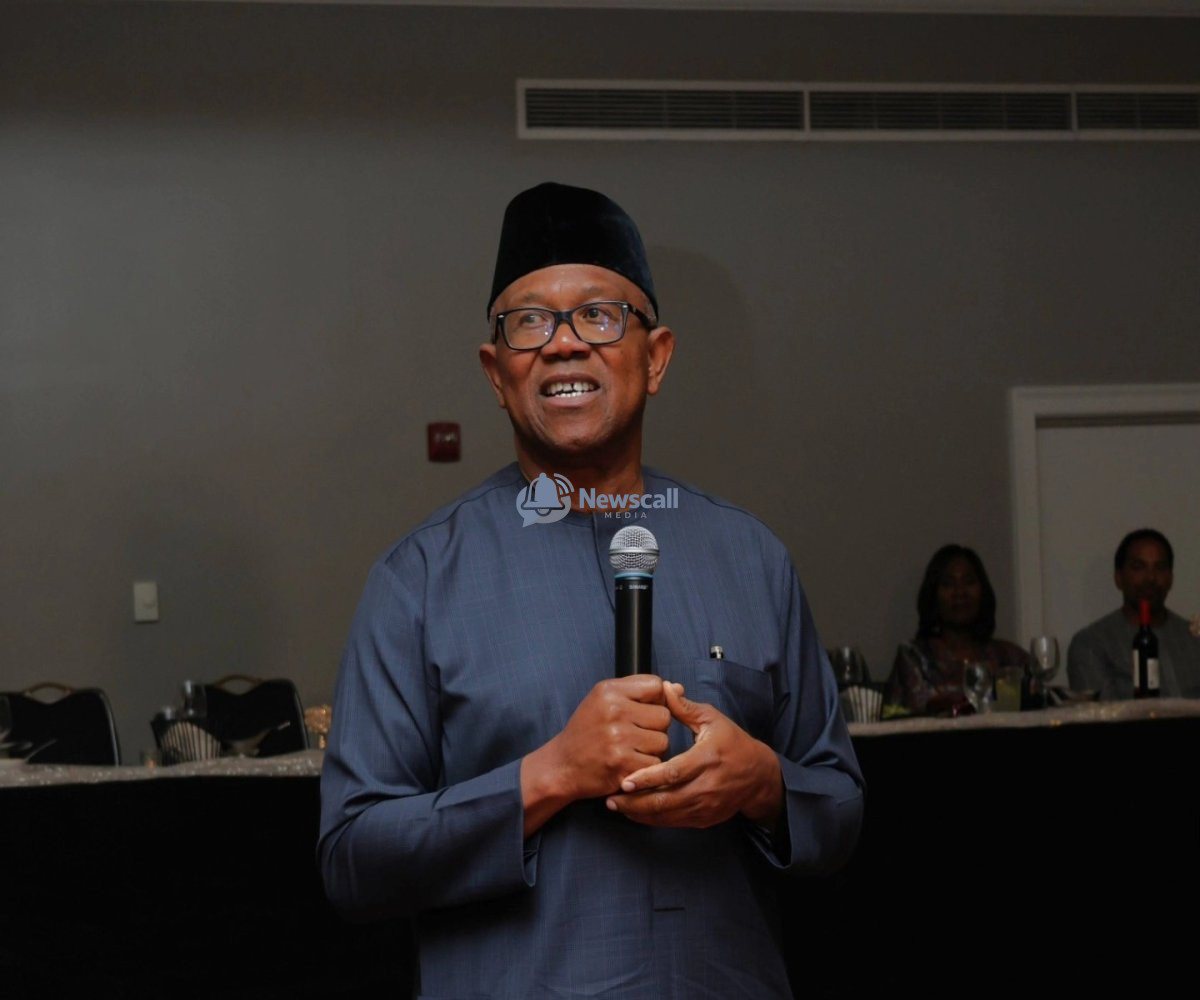


Tinubu Wore ‘Charmed’ Borno Outfits for One Week to Defy Death Rumours — Shettima
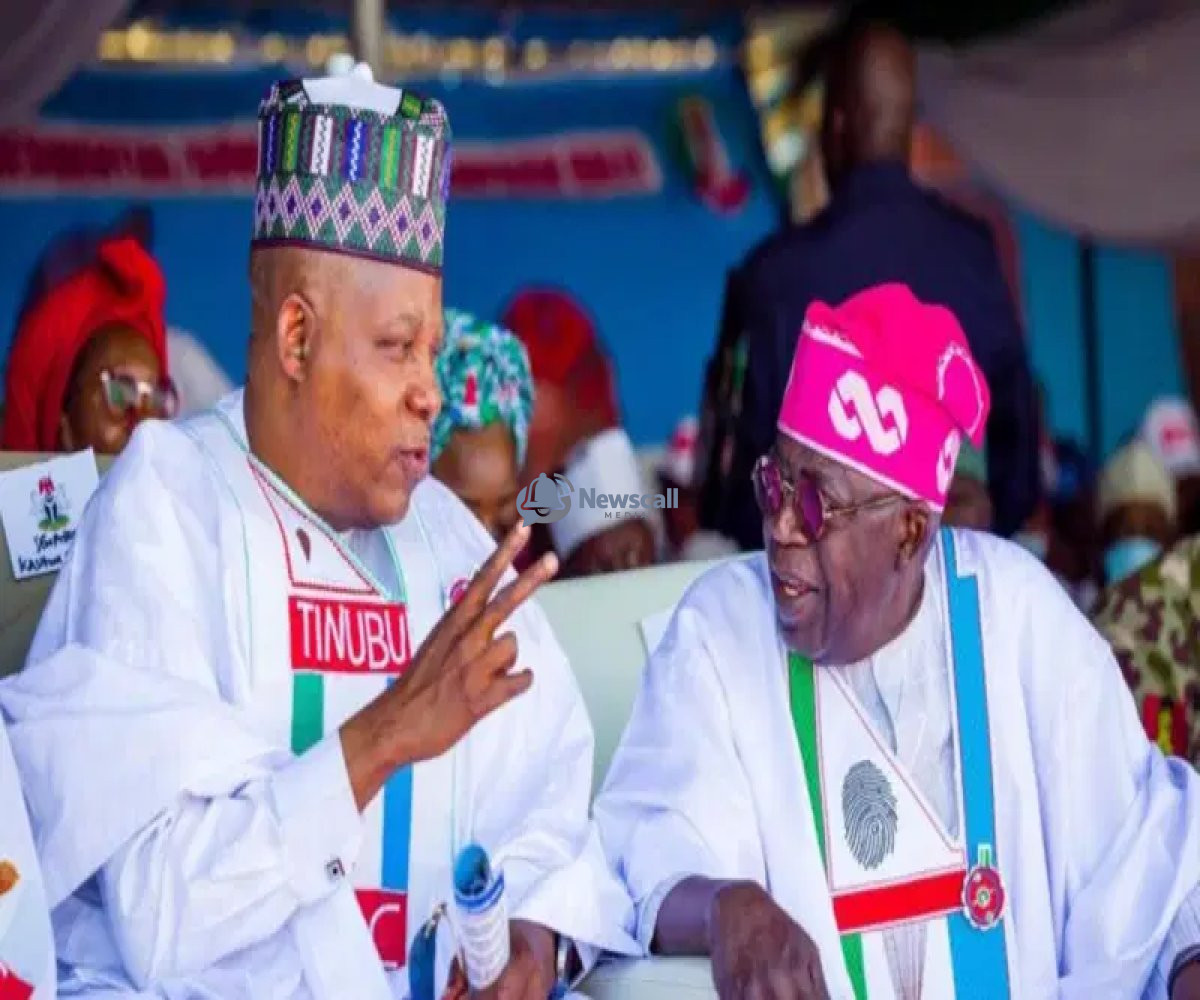
Vice President Kashim Shettima on Tuesday recounted a startling episode that unfolded shortly after the inauguration of President Bola Ahmed Tinubu in 2023, revealing how some individuals from his home state of Borno allegedly approached the President with claims that the traditional outfits gifted to him during the election campaign had been spiritually manipulated to harm him.
According to Shettima, the group urged Tinubu to immediately stop wearing the Borno-style garments and cap he had frequently appeared in during the presidential campaign, claiming the attire had been used to “charm” him and warning that continuing to wear them could lead to his death and pave the way for Shettima to become President.
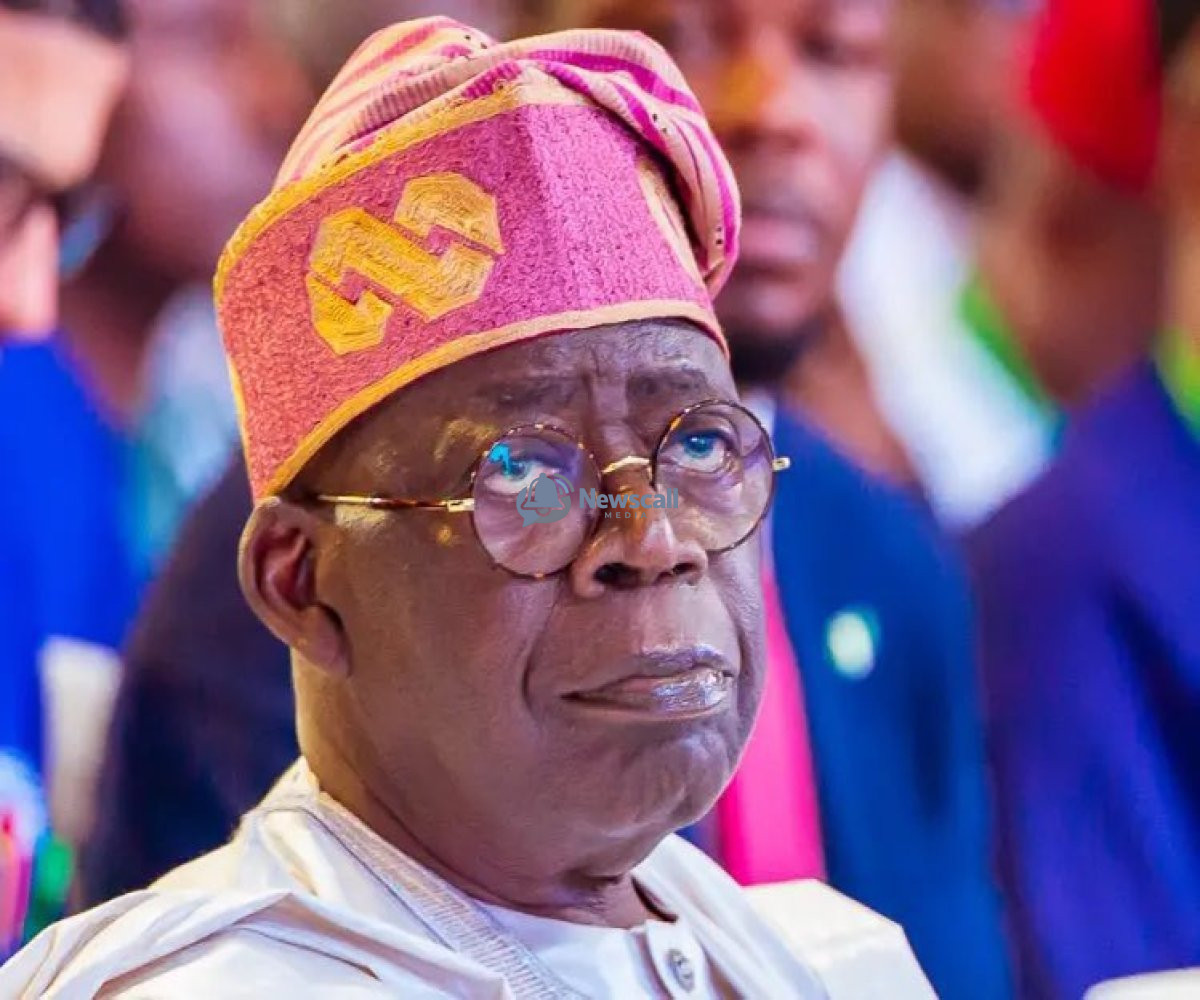
The Vice President, however, said Tinubu completely dismissed the allegation, insisting that the narrative made no logical sense. Rather than distance himself from the attire, Tinubu reportedly reacted defiantly by wearing the same outfits repeatedly for an entire week to publicly reject the claims and demonstrate that he was not influenced by superstition or political manipulation.
Shettima made the revelation while delivering remarks at the public presentation of the autobiography of former Head of State, Gen. Yakubu Gowon (retd.), titled “My Life of Duty and Allegiance,” held in Abuja on Tuesday. He attended the event on behalf of President Tinubu.
Using the incident as a broader reflection on the state of national trust and political suspicion in Nigeria, Shettima lamented what he described as the growing culture of distrust among Nigerians, especially within political circles.
He contrasted the current atmosphere with stories from Nigeria’s past, particularly an account earlier narrated at the event by the Sultan of Sokoto, who recalled how his family regularly sent gallons of fura — a traditional northern delicacy — to Gen. Gowon during his time as Head of State at Dodan Barracks in Lagos.
According to Shettima, Gowon accepted the gifts openly and wholeheartedly, without suspicion or fear, a gesture he said symbolised the level of trust and unity that once existed among Nigerians across ethnic and religious divides.
Reflecting on the change in national attitudes, Shettima said, “His Eminence the Sultan of Sokoto narrated how the Sultan’s family used to send gallons of fura every week to General Yakubu Gowon in Dodan Barracks, and Gowon received them willingly and without suspicion because there was trust and confidence between them.
“But today, suspicion has poisoned many of our relationships. It now shapes how people see one another, and it should not be so because fundamentally we are one people tied together by a common destiny.”
The Vice President then narrated how his own experience with Tinubu became a striking example of that rising mistrust.
He explained that during the build-up to the 2023 presidential primaries, when Tinubu was touring northern states to seek support from delegates and stakeholders, he personally arranged traditional Borno outfits and caps for him so he could connect more closely with people in the region and blend naturally into the cultural environment during campaign engagements.
Shettima said Tinubu embraced the attire enthusiastically, adding that members of the President’s inner circle later informed him that the outfits fitted perfectly and became some of Tinubu’s preferred campaign appearances during the election season.
However, he revealed that the controversy emerged only months after Tinubu assumed office as President.
Shettima recalled that after returning from Beijing, China, where he represented Tinubu at the Third Belt and Road Initiative Forum held between October 16 and 18, 2023, the President invited him for a private conversation and informed him about the allegations made by the visitors from Borno.
Narrating the encounter, Shettima said Tinubu told him: “Sit down. Your people came to me and said I should stop wearing those dresses you gave me. They claimed I had been charmed and that I was going to die so that you would become President.”
According to Shettima, Tinubu immediately dismissed the claims after carefully considering the circumstances surrounding the gift.
He quoted the President as saying: “Their story did not add up. At the time you gave me those dresses, you were only an aspirant. I was not even the party’s candidate yet, and neither were you the vice-presidential candidate.”
To further demonstrate his rejection of the allegations, Shettima said Tinubu deliberately continued wearing the outfits for several days.
“For one whole week, he kept wearing those dresses to show them that he was not superstitious or fetish-minded,” the Vice President said.
He added that the episode exposed the kind of political intrigue, manipulation and psychological games that now dominate power circles in Nigeria.
“These are some of the gimmicks and dangerous undercurrents taking place in political circles in the country today,” he stated.
Beyond the personal anecdote, Shettima used the occasion to praise Gen. Gowon for what he described as a lifetime of patriotism, reconciliation and national service.
He commended the former military leader for championing initiatives that promoted unity after the Nigerian Civil War, especially the establishment of the National Youth Service Corps, which he described as one of the country’s strongest instruments for fostering integration among young Nigerians from different regions and backgrounds.
The Vice President also acknowledged Gowon’s role in the formation and strengthening of the Economic Community of West African States and described him as one of the few surviving symbols of Nigeria’s post-independence leadership generation.
Calling Gowon “the last man standing” among that era of leaders, Shettima said the autobiography serves as an important historical reminder at a time when Nigeria desperately needs reflection, healing and a renewed sense of collective identity.
“This book is more than an autobiography,” he said. “It is a reservoir of memory at a time when the nation urgently needs the discipline of remembrance.”
He further noted that while some leaders are remembered only because of the offices they occupied, others become enduring national symbols because they transformed public office into a platform for nation-building and service.
“There are people remembered before they even leave office,” he said. “But there are others whose memories endure because they turned the offices they occupied into instruments of national meaning. General Gowon belongs to that category.”
Shettima also addressed the recurring violence and communal tensions in Plateau State, urging political leaders and citizens to focus on their shared history, cultural connections and common humanity rather than allowing division and bloodshed to persist.
Referencing Plateau State Governor Caleb Mutfwang, who was present at the event, the Vice President stressed that many of the communities currently engaged in conflict share deep linguistic, historical and ancestral ties that should unite rather than divide them.
He concluded his speech with a call for national unity, borrowing the famous words of American civil rights leader Martin Luther King Jr.
“Let us learn to live together as brothers,” Shettima said, “or perish together as fools.”
Anozie Chiemerie Emmanuel
Writer