Geneva Alarm Bells: WHO Declares Ebola a Global Emergency Amid Rising Death Toll”
2. WHO Declares Ebola Emergency: Geneva Sounds the Alarm
On May 19, 2026, the World Health Organization declared a Public Health Emergency of International Concern (PHEIC) over a fast-moving Ebola outbreak in the Democratic Republic of Congo and Uganda. The Bundibugyo strain, a rare variant with no approved vaccine or treatment, has already claimed an estimated 131 lives and infected over 500 people.
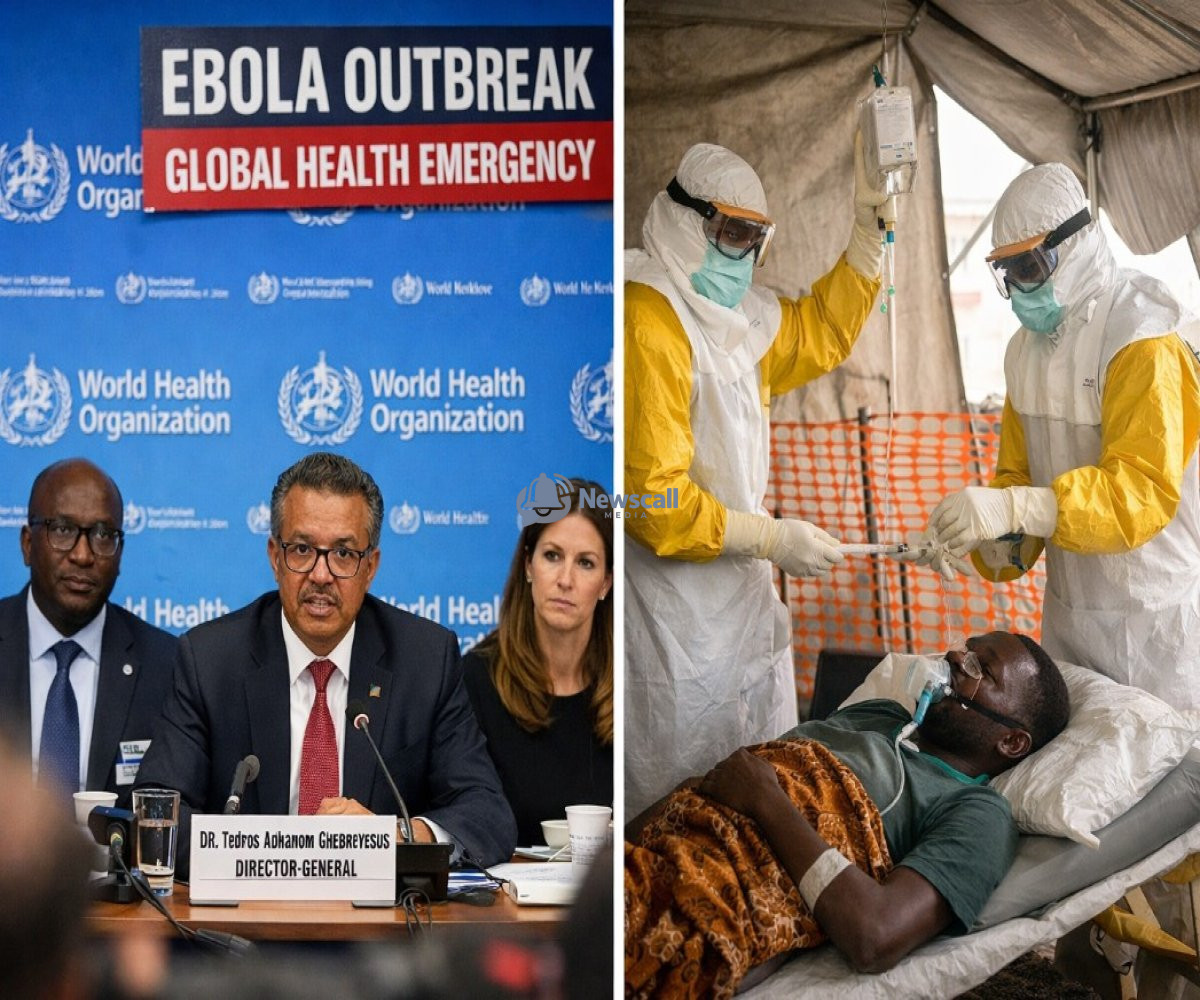
WHO Director-General Tedros Adhanom Ghebreyesus told the World Health Assembly in Geneva that he was “deeply concerned about the scale and speed of the epidemic.” This was the first time a WHO chief declared a PHEIC before convening an emergency committee—a measure underscoring the urgency of the crisis.
The epicentre lies in Ituri province, a gold-mining hub plagued by militia violence and mass displacement. The outbreak has already crossed borders, with confirmed cases in Kampala, Uganda, and suspected cases as far afield as Kinshasa. The mobility of populations, combined with insecurity and weak health infrastructure, has created a perfect storm for viral spread.
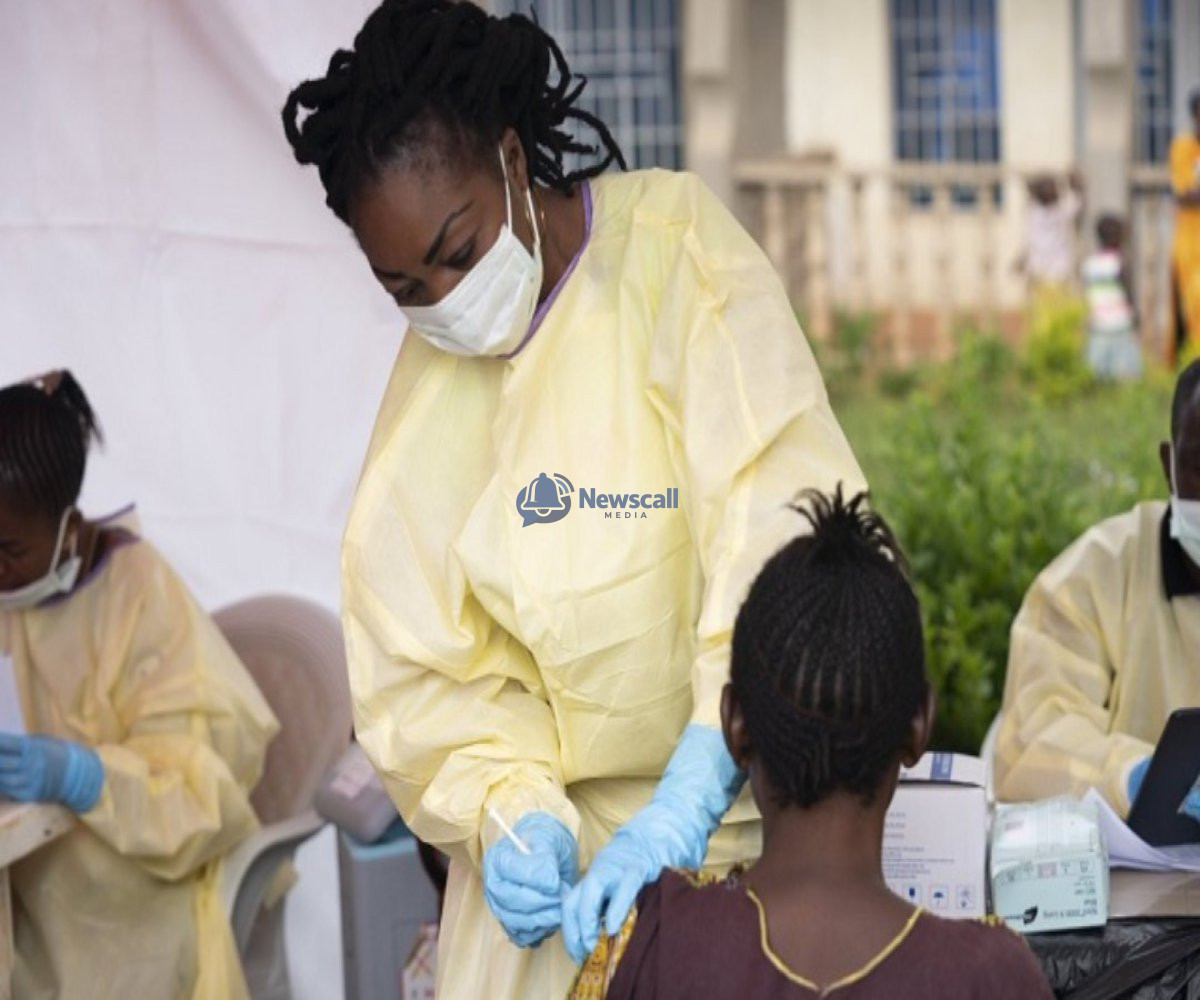
The Bundibugyo strain poses unique challenges. Unlike the more common Zaire strain, there are no vaccines or therapeutics. Healthcare workers have already been among the casualties, raising fears of hospital-based transmission. The WHO has deployed emergency funds and personnel, but the scale of the crisis threatens to overwhelm fragile systems.
Neighbouring countries are on high alert. Bahrain has suspended entry from affected regions, while Nigeria’s Centre for Disease Control has intensified surveillance at ports of entry. Yet WHO has cautioned against border closures, warning that panic-driven restrictions could hamper humanitarian response.
The declaration In Geneva was both a technical and political act. It signalled to the world that the outbreak is not just a regional crisis but a global concern. As Tedros put it, “The scale and speed of the epidemic demanded urgent action.” The coming weeks will test whether international solidarity can match the urgency of
the threat.

OKORO WILSON EGWU
“Independent journalist delivering sharp, reporting on global conflicts, humanitarian crises, and international diplomacy. Known for transforming complex world events into...