


Xpeng's president shares his vision of flying cars by 2027
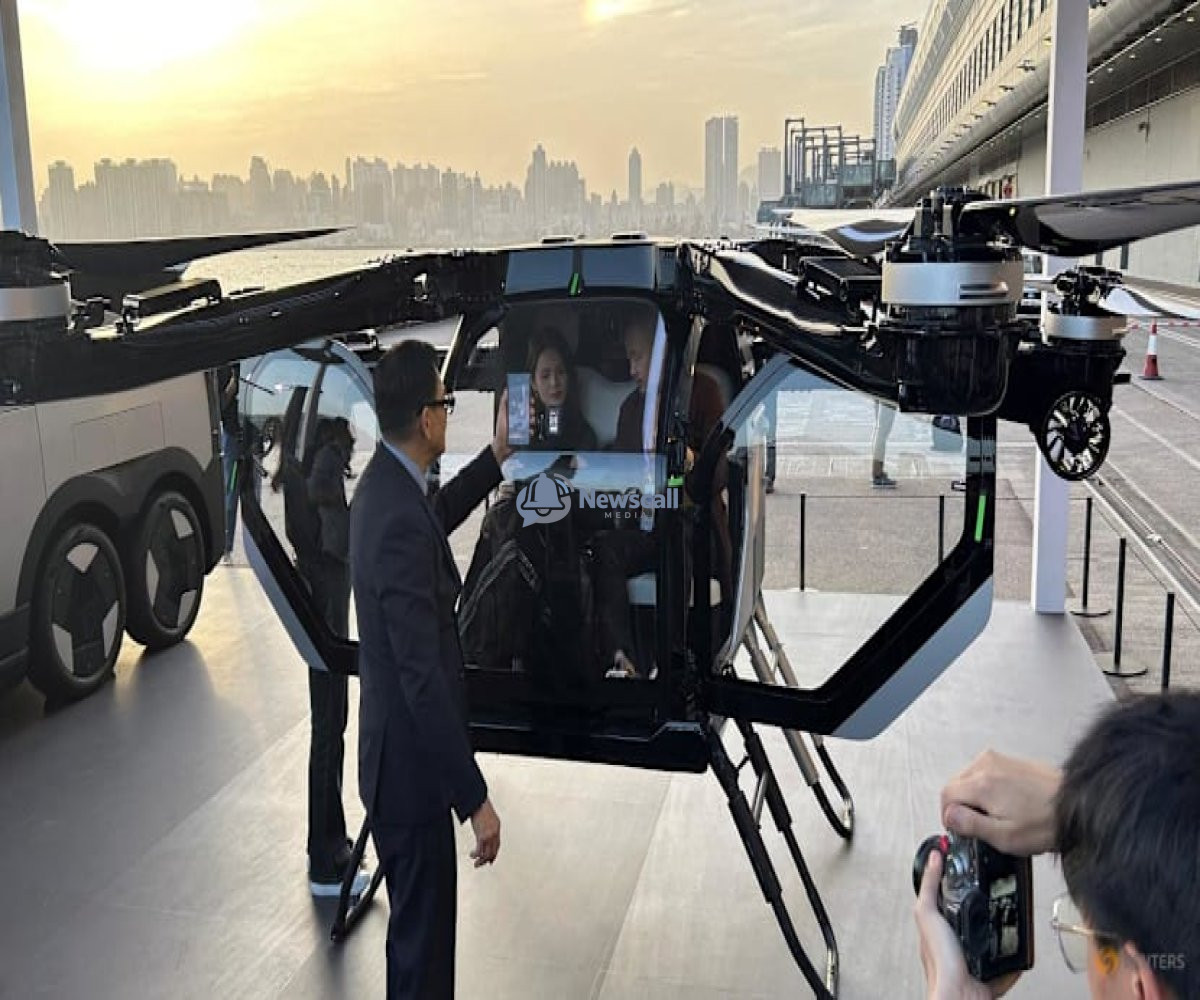
Chinese EV maker Xpeng is doubling down on the future. According to company President Brian Gu, the automaker plans to begin largescale production of its much-talked-about “flying cars” next year, with the first deliveries expected in 2027. And that’s not all their humanoid robots are slated to roll out in the fourth quarter of 2026.
In an interview with Reuters on Thursday, Gu explained that the company is also seeing “tremendous potential” to deepen its partnership with German auto giant Volkswagen. Just last month, VW started mass-producing its first EV model co-developed with Xpeng.
“There are a lot of areas where we can partner and really provide value to each other,” Gu said, adding that Xpeng remains open to working with other automakers as well. “We need to be nimble and willing to partner with different players in different regions.”
So far, Xpeng has already racked up more than 7,000 orders for its flying cars, most of them from customers in China. The company is currently working with Chinese aviation authorities to secure the necessary approvals.
Speaking ahead of the Beijing Auto Show, Gu also revealed that Xpeng will kick off robotaxi tests in the southern city of Guangzhou this year. He called 2027 a “critical year” for testing autonomous taxis “around the world with partners.” Over the next 12 to 18 months, the company expects to produce anywhere from hundreds to thousands of robotaxis.
As for the humanoid robots, Gu said they’ll first be used as receptionists or in sales roles to interact with customers. Looking further ahead, he predicted that within 10 to 20 years, Xpeng’s robotics business could outgrow its automotive division. “There will be more use cases for humanoid robots in our lives,” he noted.
Like many Chinese automakers, Xpeng is pushing hard into global markets. The company currently operates in about 60 countries outside China. Last year, overseas sales accounted for roughly 10% of its total sales volume but a healthier 15% of its revenue. Gu expects that in the next five to ten years, “more than 50% of the revenue should come from outside of China.”

Umeanozie Prosper
Writer, Novelist,blogger, content creator