

“Rivers Political Drama Deepens as Fubara Quits APC Governorship Contest”
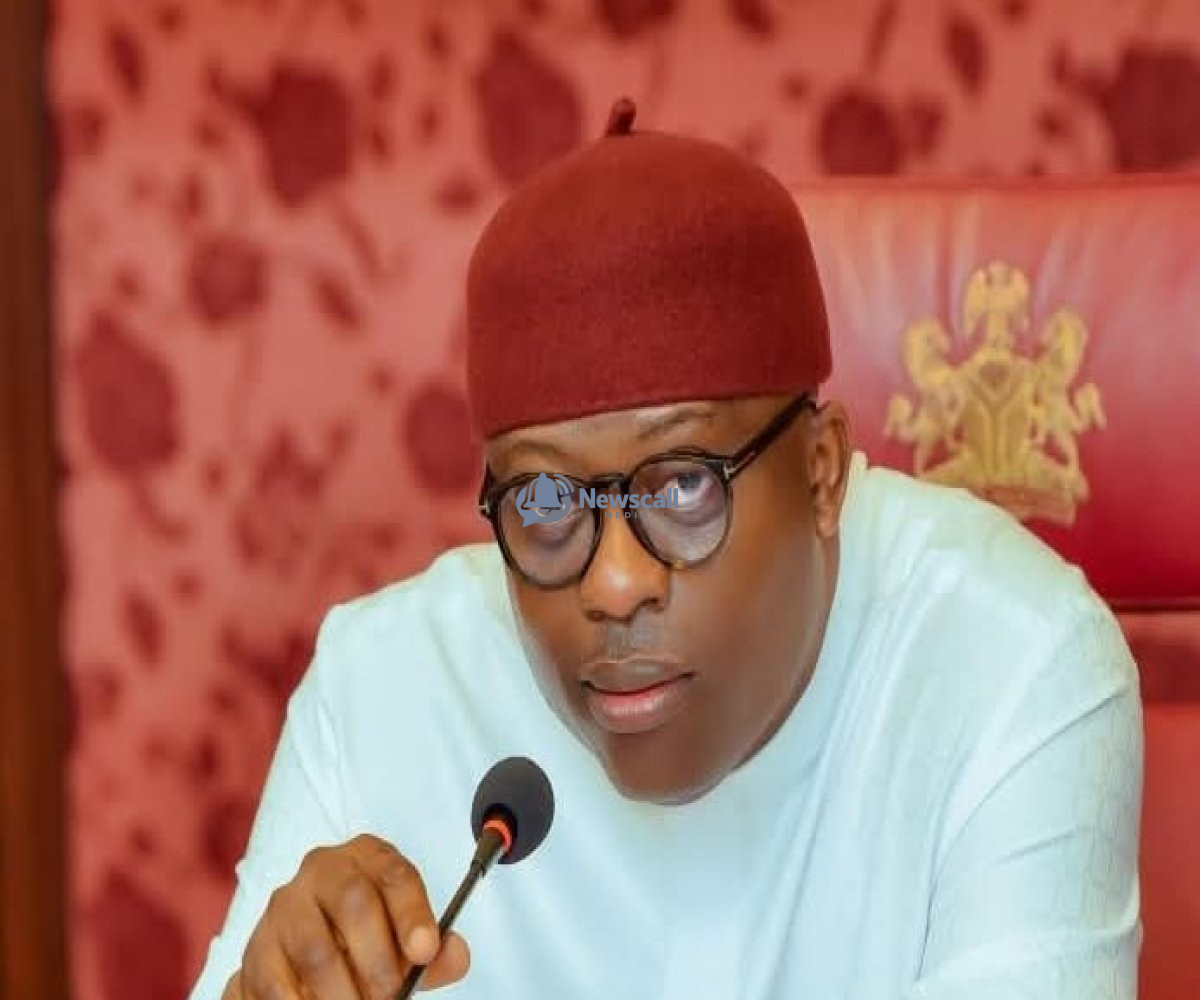
Rivers State Governor, Siminalayi Fubara, has officially withdrawn from the All Progressives Congress governorship primary election ahead of the 2027 general elections, citing the need to preserve peace, stability, and unity in the state amid ongoing political tensions.
In a statement personally signed on Wednesday, the governor announced that he would no longer participate in the APC primary race and pledged his support for whoever eventually emerges as the party’s candidate.
Fubara said the decision came after wide consultations with members of his family, political allies, friends, and close associates.
The governor described the move as “difficult but necessary,” insisting that the collective interest of Rivers State must take priority over personal ambition.
“After deep reflection and extensive consultations with my family, friends, and associates, I have taken the difficult but necessary decision to withdraw from the APC governorship primaries. I do so with a full heart and with a firm commitment to support whoever emerges as the candidate of our great party,” Fubara stated.
He explained that leadership often requires sacrifice and restraint, especially during periods of political uncertainty. According to him, Rivers State was passing through a delicate phase that demanded maturity and compromise from political actors.
“Leadership is ultimately about sacrifice. There comes a time when personal ambition must yield to the greater good of the people. Rivers State is bigger than any individual, and at this critical moment, the peace, stability, and unity of our dear state must take precedence over every personal interest,” he added.
Fubara also appealed to APC members and supporters across the state to remain calm, united, and loyal to the party despite his withdrawal from the contest. He described the APC as their “collective home” and urged party faithful to continue working for the success of the party ahead of future elections.
Addressing concerns from his supporters, the embattled governor acknowledged that many people who had stood firmly behind him throughout the political process would feel disappointed by his decision. He, however, assured them that their sacrifices, prayers, and loyalty were not in vain.
“To my supporters who stood firmly with me throughout this journey, who gave their time, resources, prayers, and unwavering hope, I offer my deepest gratitude. I understand the disappointment, the anger, and the pain many of you may feel,” he said.
Fubara further explained that his silence in recent weeks had been intentional, strategic, and guided by the broader interest of Rivers State. Hinting at intense political pressures and behind-the-scenes negotiations, the governor said there were certain realities that could not be publicly disclosed.
“As our elders say, not everything a hunter sees in the forest is spoken of in the marketplace,” he remarked, adding that some truths are better left unsaid “not out of fear, but out of wisdom and restraint for the sake of peace and a greater purpose.”
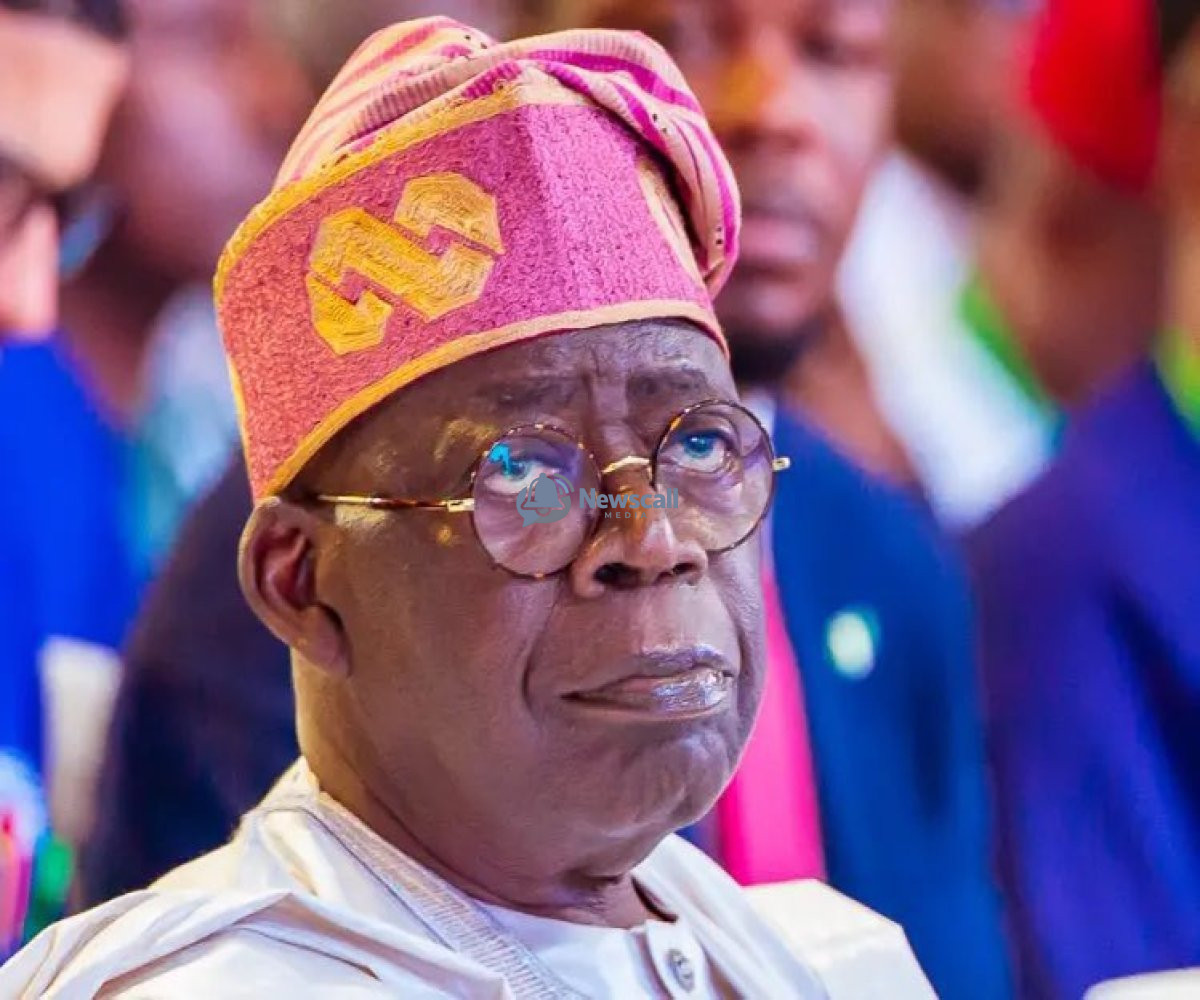
The governor also expressed appreciation to President Bola Ahmed Tinubu for what he described as support and encouragement during the political process. He equally thanked the leadership of the APC for giving him the opportunity to participate in the governorship process.
Despite stepping down from the race, Fubara strongly rejected suggestions that his withdrawal amounted to weakness, defeat, or political surrender.
“I stepped aside not out of weakness, fear, or surrender, but out of conviction and sacrifice so that Rivers State may move forward in peace and unity,” he declared.
He further reassured residents of Rivers State that he remained committed to governance and would continue serving the people diligently until the expiration of his tenure.
The development comes amid ongoing political realignments and intense power struggles in Rivers State ahead of the 2027 elections. Interestingly, APC chieftain and governorship aspirant Tonye Cole also announced his withdrawal from the race, citing the need to preserve party unity and cohesion.
Fubara’s political troubles can be traced to the dramatic collapse of his relationship with his predecessor and former political ally, Nyesom Wike. Fubara rose through the ranks under Wike’s administration, serving as Accountant-General of Rivers State before emerging as the Peoples Democratic Party governorship candidate in 2023 with Wike’s backing.
However, shortly after assuming office as governor, tensions erupted between both men over the control of the state’s political structure, appointments, and finances. The disagreement soon escalated into one of the most intense political crises in Rivers State history.
The crisis heavily involved the Rivers State House of Assembly led by Speaker Martin Amaewhule, who remained loyal to Wike. Lawmakers aligned with the former governor initiated moves widely perceived as attempts to weaken or remove Fubara from office, while the governor’s supporters challenged the legitimacy of some lawmakers following allegations of defection.
Political tensions worsened after the Rivers State House of Assembly complex was demolished, deepening divisions between both camps and paralysing governance in parts of the state. Court battles, impeachment threats, political accusations, and institutional conflicts became frequent as both factions struggled for supremacy.
The crisis reached a peak in March 2025 when President Tinubu declared a state of emergency in Rivers State, citing threats to governance, public order, and critical oil infrastructure. The President suspended Fubara, his deputy, and all members of the Rivers State House of Assembly for six months.
During the emergency period, retired naval chief Ibok-Ete Ibas was appointed as sole administrator to oversee the affairs of the state.
Following months of political negotiations reportedly facilitated by Tinubu, Fubara was eventually reinstated. Reports indicated that part of the reconciliation agreement involved cooperation with the Amaewhule-led Assembly, avoidance of direct confrontation with Wike’s political camp, and maintaining political peace ahead of the 2027 elections, although some alleged conditions — including speculation surrounding future electoral ambitions — were never officially confirmed.
The lingering Assembly crisis has remained central to Rivers State’s political instability, with repeated disputes over budget presentations, legislative authority, impeachment plots, and Supreme Court rulings recognising the Amaewhule faction as the legitimate leadership of the state assembly.

Anozie Chiemerie Emmanuel
Writer