

Mass Defection Rocks ADC as 17 Lawmakers Join NDC
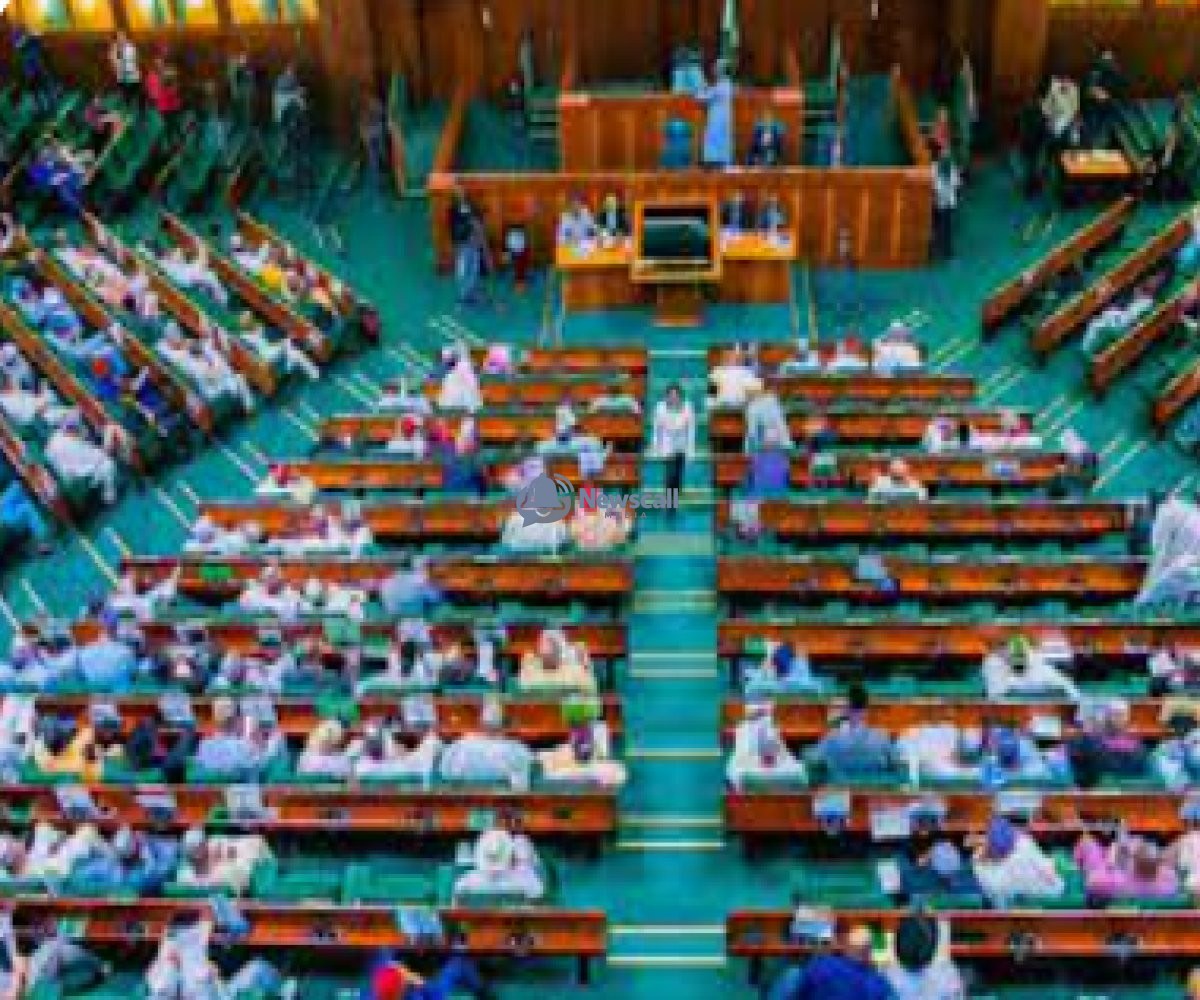
At least 17 members of Nigeria’s House of Representatives have officially defected from the African Democratic Congress (ADC) to the Nigerian Democratic Congress (NDC), in what is shaping up to be one of the most significant shifts within the National Assembly in recent months.
The defections were formally announced during Tuesday’s plenary session in the Green Chamber by the Deputy Speaker, Benjamin Kalu, who read out the names of the lawmakers and their respective constituencies. The announcement drew notable reactions across party lines, as it reflects a deepening wave of political realignment ahead of the 2027 general elections.
According to the defecting lawmakers, their decision to leave the ADC was driven primarily by what they described as “unresolved internal crises” within the party. These issues, they argued, have lingered for months without meaningful resolution, creating uncertainty, weakening internal cohesion, and undermining the party’s effectiveness both within the legislature and in broader national politics.
The lawmakers who made the switch to the NDC include Yusuf Datti, Uchenna Okonkwo, Adamu Wakili, Thaddeus Attah, George Ozodinobi, Lilian Orogbu, Oluwaseyi Sowunmi, Peter Aniekwe, Mukhtar Zakari, George Oluwande, and Munachim Umezuruike. Others are Emeka Idu, Jesse Onuakalusi, Ifeanyi Uzokwe, Afam Ogene, Murphy Omroruyi, and Abdulhakeem Ado. Their collective movement represents a substantial numerical boost for the NDC in the House of Representatives, potentially altering legislative dynamics and strengthening the party’s bargaining power.
This development is widely seen as part of a broader pattern of political repositioning currently unfolding across Nigeria’s political landscape. Analysts note that internal disputes within the ADC ranging from leadership tussles to disagreements over party structure and direction have contributed significantly to the wave of defections. Some stakeholders within the party have openly described the situation as disruptive, warning that it could further erode the party’s influence if not urgently addressed.
Adding to the significance of the shift is the recent alignment of high-profile political figures such as Peter Obi, the former presidential candidate, and Rabiu Kwankwaso, former governor of Kano State, with the NDC. Their movement has been interpreted by observers as a strategic effort to consolidate opposition strength under a more stable and unified platform, particularly as preparations for the 2027 elections gradually gather momentum.
Political commentators suggest that the entry of these influential figures, combined with the influx of lawmakers, could position the NDC as a formidable force in the coming electoral cycle. It also raises questions about the future of the ADC, especially if further defections occur or if internal conflicts remain unresolved.
As the political landscape continues to evolve, attention will likely remain focused on how both parties respond whether the ADC can stabilize its internal structure and retain relevance, and whether the NDC can effectively integrate its growing ranks into a cohesive and competitive political front.

Anozie Chiemerie Emmanuel
Writer