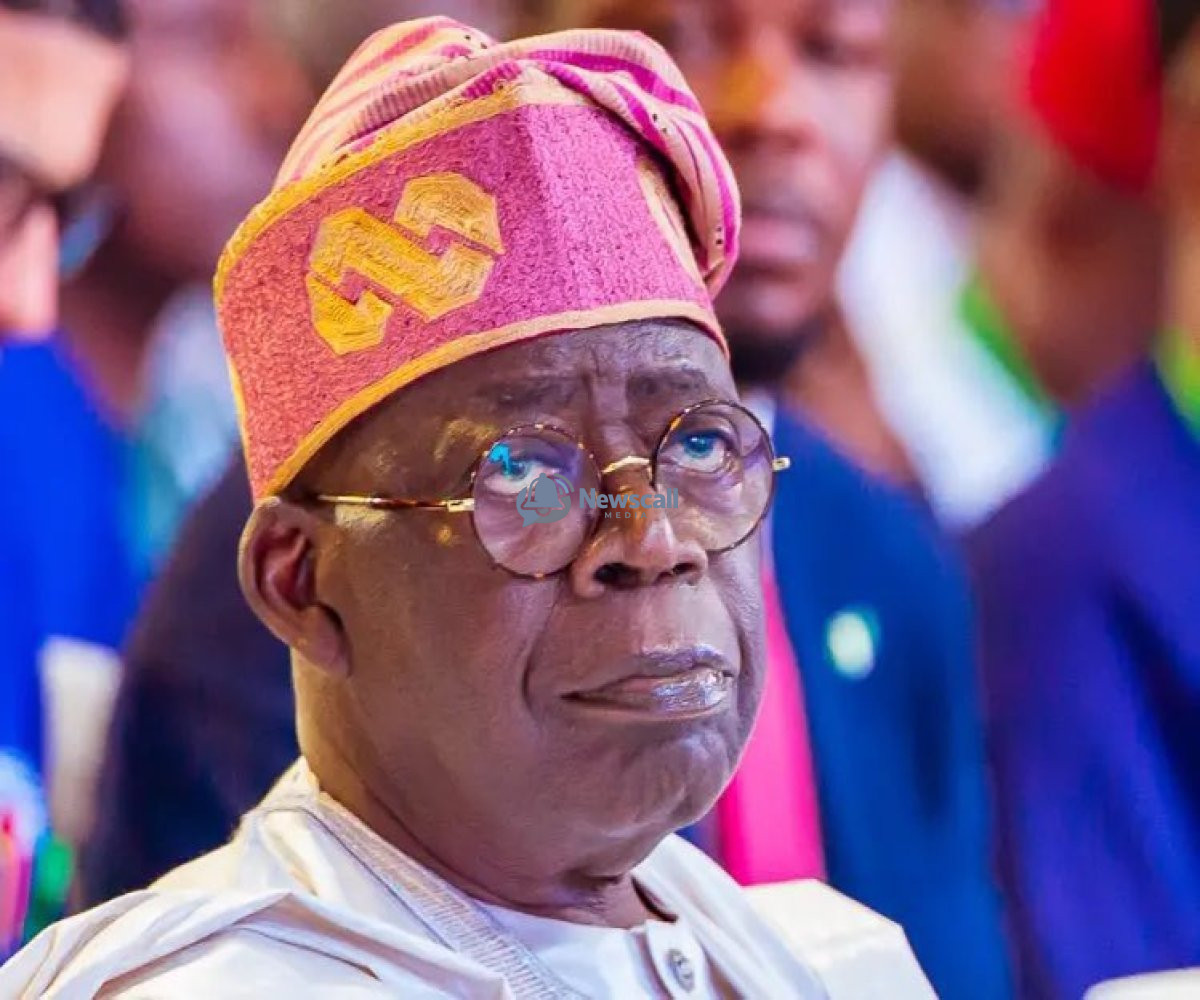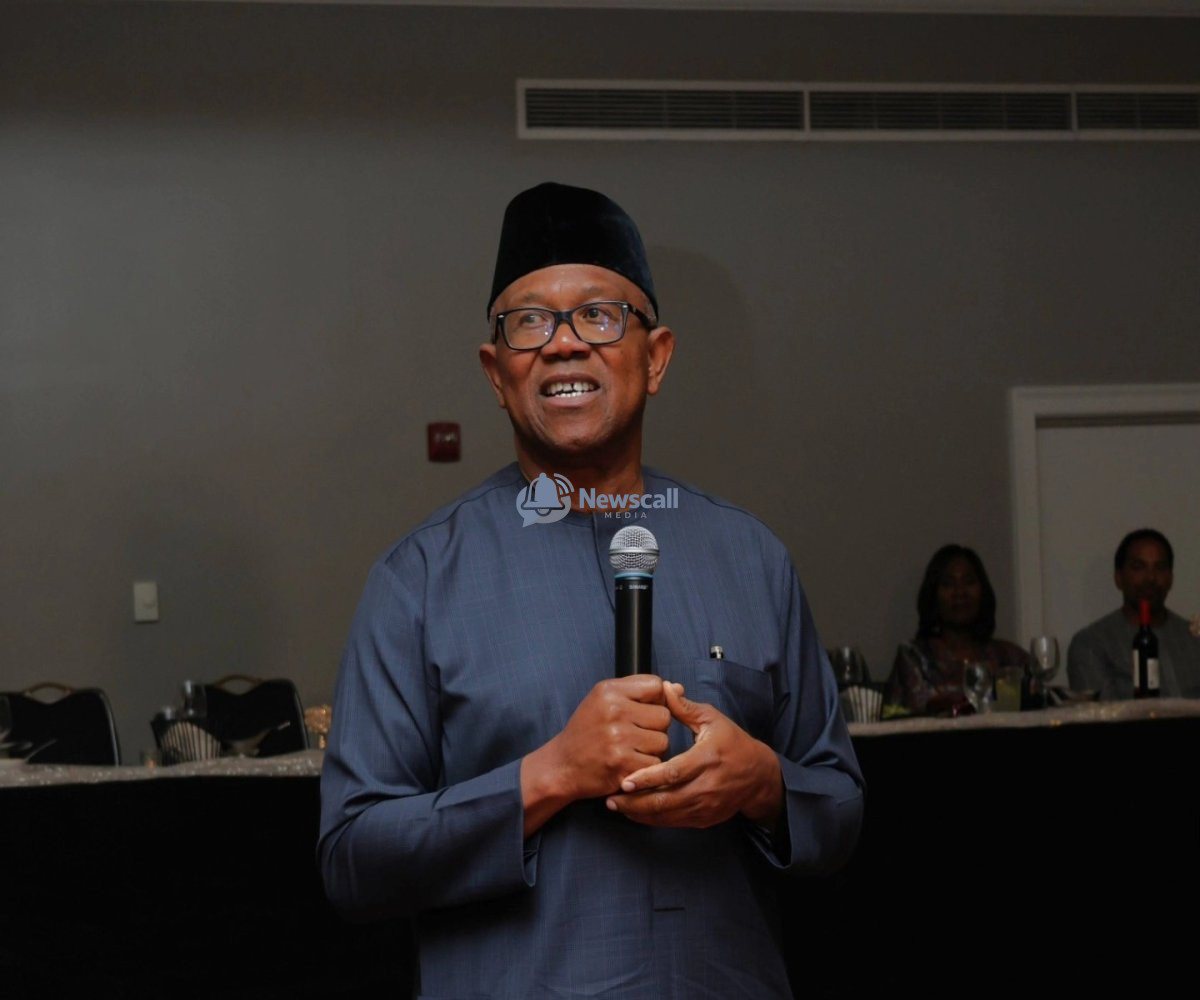


Obi, Kwankwaso Exit Triggers Mass Defections, Weakens ADC

The political landscape ahead of Nigeria’s 2027 general elections has been dramatically reshaped following the high-profile exit of Peter Obi and Rabiu Kwankwaso from the African Democratic Congress (ADC), a move that has triggered a wave of defections and significantly weakened the party’s standing in the National Assembly.
Their departure has dealt a major blow to the ADC’s legislative strength across both chambers, while simultaneously boosting the fortunes of the National Democratic Congress (NDC), which has quickly emerged as a new focal point for opposition realignment.
The NDC, which formally welcomed Obi and Kwankwaso on Sunday, recorded a major political breakthrough within days. By Tuesday, the party had gained 17 members of the House of Representatives and one senator, marking one of the most significant shifts in Nigeria’s recent parliamentary history.
This surge in membership follows an earlier defection by Seriake Dickson, the senator representing Bayelsa West, who left the Peoples Democratic Party (PDP) to join the NDC further strengthening the party’s credibility as a rising opposition force.
The developments come shortly after opposition parties resolved to rally behind a single presidential candidate to challenge President Bola Tinubu in the 2027 elections, signaling a broader attempt to consolidate political strength against the ruling party.
The wave of defections occurred barely 48 hours after Obi and Kwankwaso formally exited the ADC, highlighting the deep influence both politicians wield within their respective political bases. Lawmakers from Kano, Anambra, Lagos, Edo, Rivers, and Kogi States cited internal disarray, unresolved conflicts, and lack of clear leadership direction as key reasons for abandoning the party.
While presiding over plenary, Deputy Speaker Benjamin Kalu read out several defection letters in which lawmakers pointed to instability within the ADC “from the ward to the national level,” suggesting that the crisis was both widespread and deeply entrenched.
Among those who defected are Yusuf Datti, Sani Adamu, Zakari Mukhtari, Kamilu Ado, Harris Okonkwo, George Ozodinobi, Lilian Orogbu, Peter Anekwe, Emeka Idu, Ifeanyi Uzokwe, and Afam Ogene. Others include Lagos-based lawmakers Thaddeus Attah, Oluwaseyi Sowunmi, George Olwande, and Jese Onuakalusi, alongside Murphy Omoruyi from Edo and Umezuruike Manuchim from Rivers State.
In a separate political move, Kogi lawmaker Leke Abejide defected from the ADC to the ruling All Progressives Congress (APC), further compounding the party’s losses.
Obi, Kwankwaso Influence Triggers Ripple Effect
Political observers widely interpret the coordinated defections as a direct show of loyalty to Obi and Kwankwaso. Both figures command strong regional followings Obi in the South-East and Kwankwaso in the North-West and their political movements often influence the decisions of allied lawmakers and supporters.
Their exit appears to have triggered a ripple effect, accelerating the collapse of confidence within the ADC and prompting many politicians to seek what they perceive as a more stable and strategic platform in the NDC.
Root Causes: Leadership Crisis and Failed Coalition Talks
The ADC’s troubles had been brewing for months prior to the defections. Internal tensions escalated over leadership struggles, disagreements on party strategy, and competing ambitions among top figures.
The situation worsened amid reported clashes between Obi, Kwankwaso, and former Vice President Atiku Abubakar, particularly during efforts to build a unified opposition coalition.
Negotiations reportedly collapsed due to mistrust, disputes over zoning arrangements, and disagreements regarding control of party structures factors that ultimately led to the fragmentation of the alliance.
The eventual defection of Obi and Kwankwaso to the NDC marked a turning point, with the party quickly becoming an attractive destination for politicians seeking stability, clearer leadership, and stronger electoral prospects.
The impact of the defections has been swift and severe. Just last week, the ADC boasted 24 members in the House of Representatives; that number has now dwindled to just six, raising serious concerns about the party’s ability to remain politically relevant.
Similarly, the PDP once Nigeria’s dominant opposition party—appears to be struggling to maintain its influence. Its membership in the House has dropped significantly from 116 at the inauguration of the 10th National Assembly in June 2023 to just 29 members currently.
Godswill Akpabio Mocks ADC Amid Defections
Senate President Godswill Akpabio openly mocked the ADC during plenary, declaring the party “dead” in light of the ongoing defections.
Reacting to the frequent announcements of lawmakers switching parties, Akpabio joked about the situation, suggesting that defectors should compile their moves into a single document rather than making repeated announcements.
“How many times can you defect in a month? Once. But some have done three times,” he remarked humorously, drawing laughter from fellow lawmakers.
Among the notable defections was that of Senator Victor Umeh, who cited “lingering divisions in leadership and unending litigation” within the ADC as reasons for his departure. He emphasized that his move to the NDC followed extensive consultations with his constituents and supporters.
Umeh also highlighted a broader issue within Nigeria’s political system, noting that frequent party defections are often driven by weak institutional structures and lack of internal party stability.
Within Kano State, members of the Kwankwasiyya movement have begun leaving the ADC in significant numbers, further consolidating Kwankwaso’s influence within the NDC. Key figures, including former Deputy Governor Aminu Gwarzo, have already defected.
In Anambra State, over 23 aspirants have reportedly begun the process of leaving the ADC, citing uncertainty about their political future within the party. Many of these individuals are aligning with the NDC, while others are exploring alternatives such as the Social Democratic Party (SDP).
Party insiders suggest that Obi’s defection played a significant role in influencing these decisions, as many aspirants view the NDC as a more viable platform ahead of the 2027 elections.
Structure Remains Intact
Despite the wave of defections, ADC officials maintain that the party remains strong. The National Publicity Secretary, Bolaji Abdullahi, dismissed concerns about the party’s declining numbers, arguing that its credibility does not depend on the number of lawmakers.
He described those leaving as individuals driven by personal ambition rather than ideological commitment, insisting that the party’s core structure and principles remain intact.
Similarly, the ADC leadership in Rivers State reaffirmed its strength, emphasizing that the party’s foundation lies in its values and grassroots support rather than individual political figures.
The coming months are expected to witness further shifts in alliances, as politicians and parties reposition themselves in what is shaping up to be one of the most consequential electoral contests in Nigeria’s history.

Anozie Chiemerie Emmanuel
Writer