

Nigeria’s $11.6bn Debt Servicing Projection Sparks Fresh Economic Debate — Peter Obi Raises Concerns
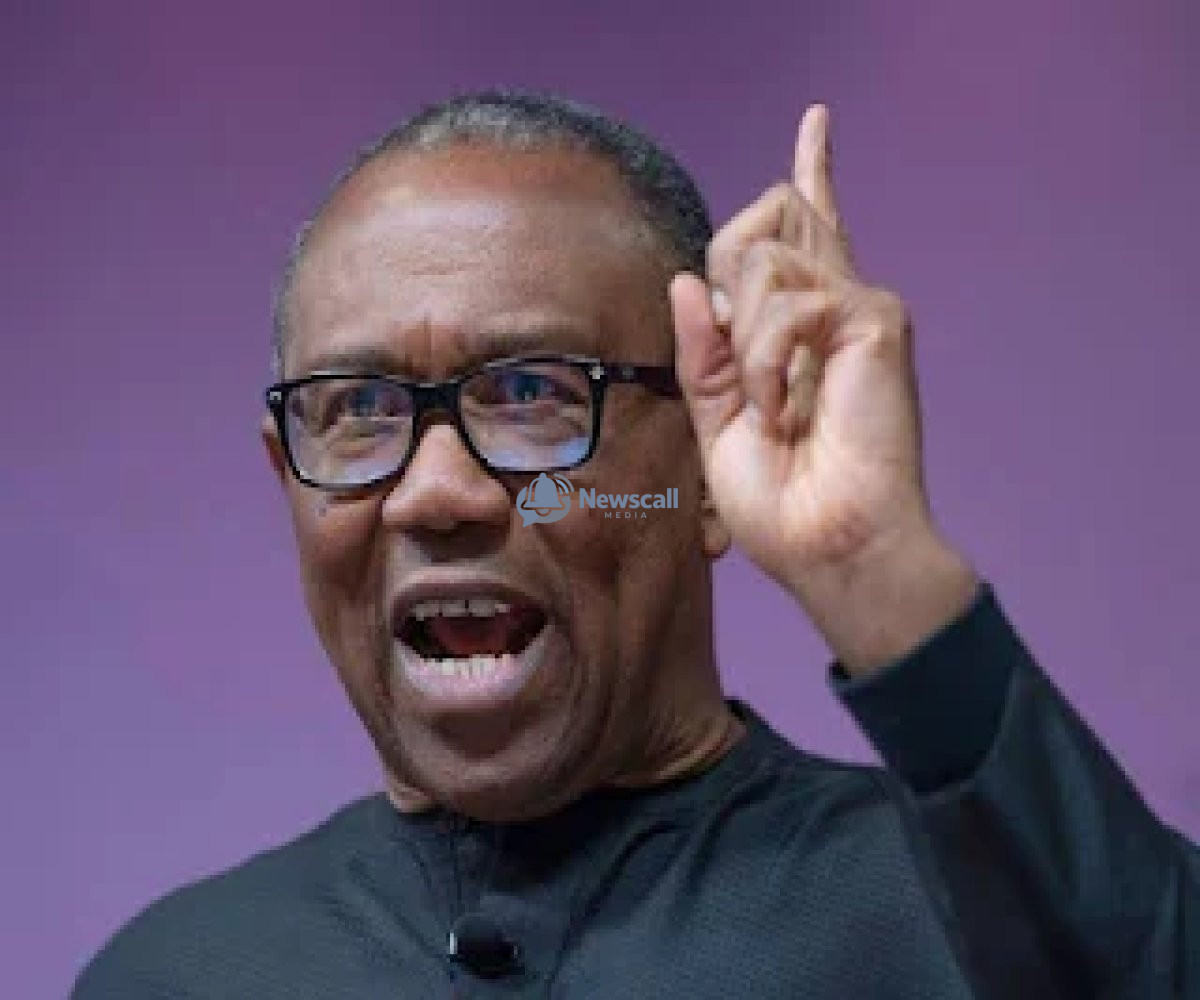
Nigeria’s $11.6bn Debt Servicing Projection Sparks Fresh Economic Debate — Peter Obi Raises Concerns
Former Anambra State Governor and Labour Party presidential candidate in the 2023 general elections, Peter Obi, has raised fresh concerns over Nigeria’s projected debt servicing obligations for 2026, warning that the figure underscores what he describes as a deepening fiscal strain on the country.
Obi’s reaction follows comments made by President Bola Tinubu during the Africa Forward Summit held in Nairobi, Kenya. The summit, co-hosted by French President Emmanuel Macron and Kenyan President William Ruto, featured discussions on economic transformation, debt sustainability, and development financing across Africa.
At the event, Tinubu disclosed that Nigeria is projected to spend approximately $11.6 billion on debt servicing in 2026, a statement that has since triggered renewed public debate over the country’s borrowing profile and fiscal priorities.
Obi warns of “unsustainable fiscal imbalance”
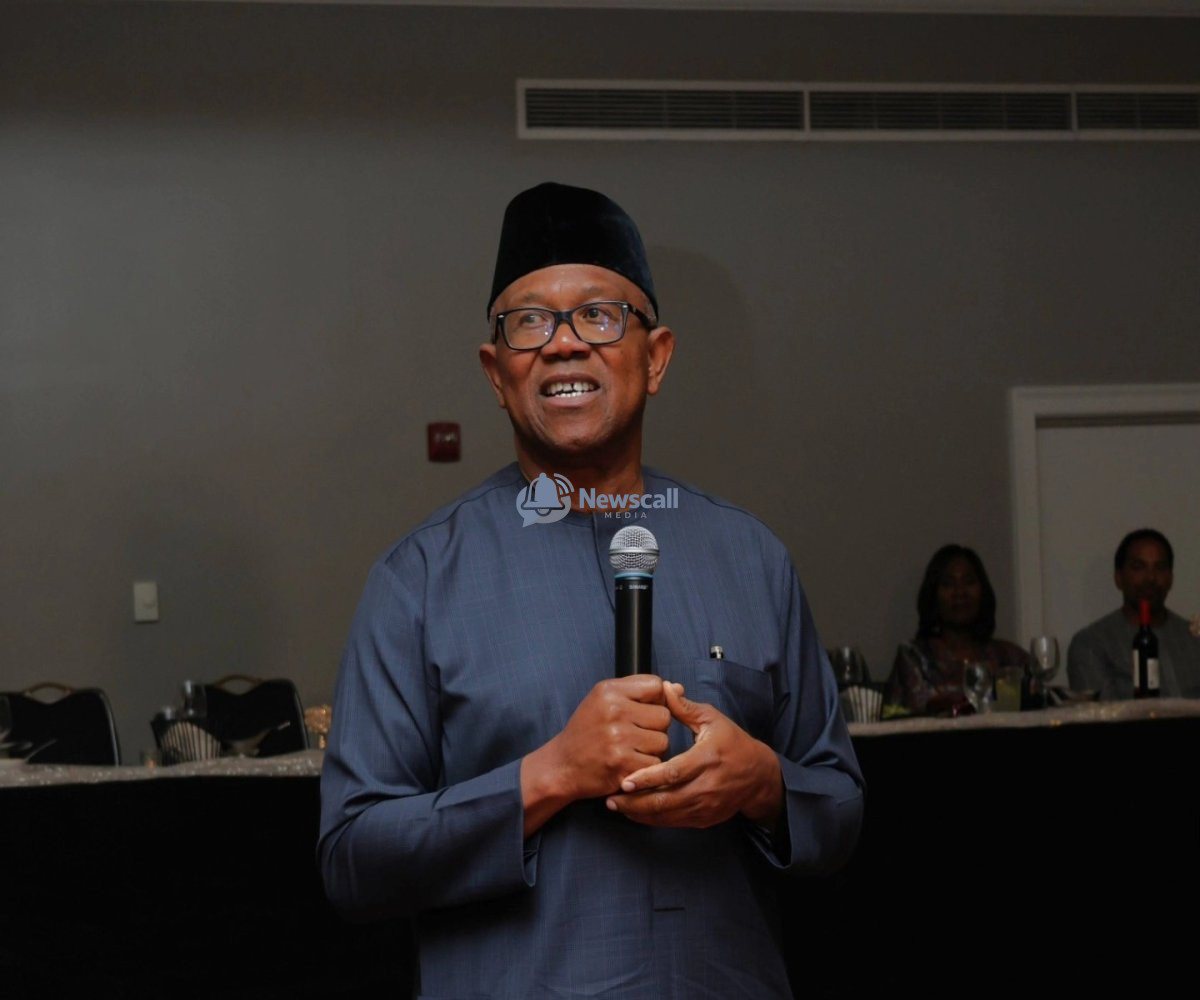
Reacting in a detailed statement shared via his official X (formerly Twitter) account, Obi said the projected debt servicing burden should be a major concern for Nigerians, arguing that it raises fundamental questions about how public funds are being managed and prioritized.
According to him, borrowing in itself is not harmful when it is carefully planned and directed toward productive sectors of the economy. However, he argued that Nigeria’s case appears different, insisting that a significant portion of borrowed funds over the years has not translated into visible or sustainable development outcomes.
He stated that much of the country’s borrowing has been used for consumption rather than investment in infrastructure or productive sectors that could generate returns and improve repayment capacity.
Obi also noted that a considerable portion of the debt currently being serviced was accumulated under the present administration, while external borrowing has continued at a rapid pace.
Breakdown of recent borrowing commitments
In his statement, Obi cited several recent external borrowing arrangements, including:
Approximately $5 billion from First Abu Dhabi Bank in the United Arab Emirates
Around $1 billion from UK Export Finance through Citibank London
A proposed $1.25 billion World Bank facility under consideration
An additional $516 million arranged via Deutsche Bank
He estimated that these commitments collectively amount to roughly $7.8 billion in recent external loans, in addition to ongoing domestic borrowing through regular bond issuances.
Obi argued that the continued accumulation of debt, combined with rising servicing costs, is placing increasing pressure on Nigeria’s fiscal stability.
Comparison of debt servicing with social spending
The former governor also drew attention to Nigeria’s 2026 budget allocations, highlighting spending on key social sectors. He noted that:
Health is allocated approximately ₦2.46 trillion
Education receives about ₦2.56 trillion
Poverty alleviation is allocated around ₦865 billion
Together, these critical sectors amount to roughly ₦5.885 trillion.
By contrast, Obi estimated that debt servicing at $11.6 billion—which translates to about ₦17–₦18 trillion depending on exchange rates—is nearly three times the combined allocation to health, education, and social protection.
He described this disparity as a “troubling fiscal imbalance,” warning that it reflects a situation where debt obligations are increasingly crowding out investments in human capital development and poverty reduction.
Concerns over implementation and governance
Obi further cautioned that even the limited funds allocated to key sectors may not be fully released or effectively utilized, raising concerns about inefficiency and possible mismanagement in public expenditure.
He argued that without improved accountability and productivity, increased borrowing could worsen rather than solve Nigeria’s economic challenges.
Global comparisons on debt usage
To support his argument, Obi referenced countries such as Japan, the United Kingdom, the United States, the United Arab Emirates, Singapore, and Indonesia, noting that although these nations also operate with significant debt levels, their borrowing is largely directed toward productive sectors.
According to him, these countries channel borrowed funds into areas such as education, healthcare, infrastructure, and innovation—sectors that generate long-term economic returns and strengthen repayment capacity.
He argued that this strategic approach allows such economies to manage high debt levels more sustainably, as their obligations are backed by productivity and growth.
“Borrowing must translate to productivity”
Obi emphasized that the central issue is not whether a country borrows, but how effectively borrowed funds are deployed. He stated that borrowing becomes dangerous when it fails to translate into measurable productivity, inclusive economic growth, and improved living standards.
In his view, when debt does not generate tangible economic value, debt servicing becomes a long-term structural burden that limits development and increases vulnerability.
Political context and broader opposition alignment
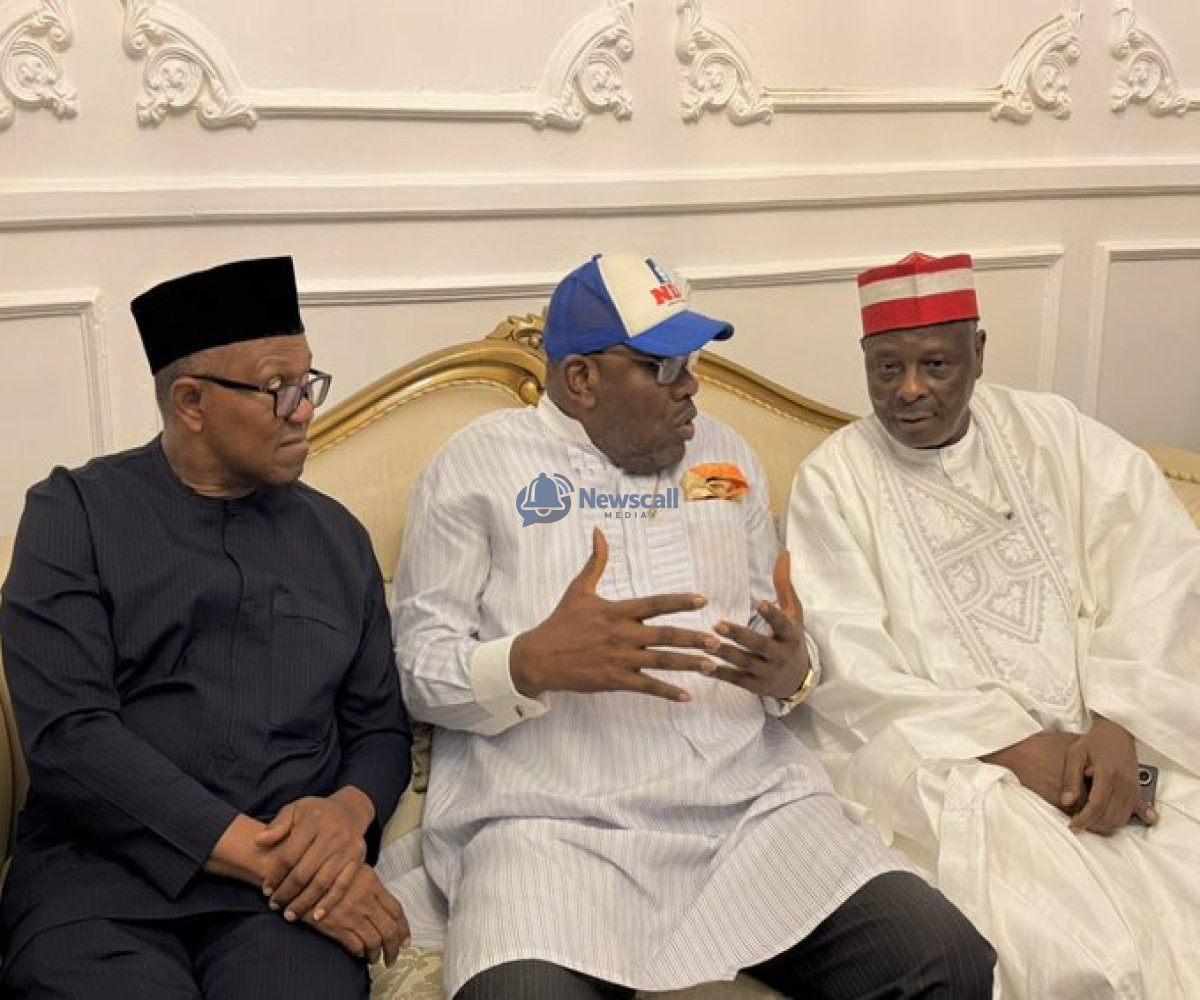
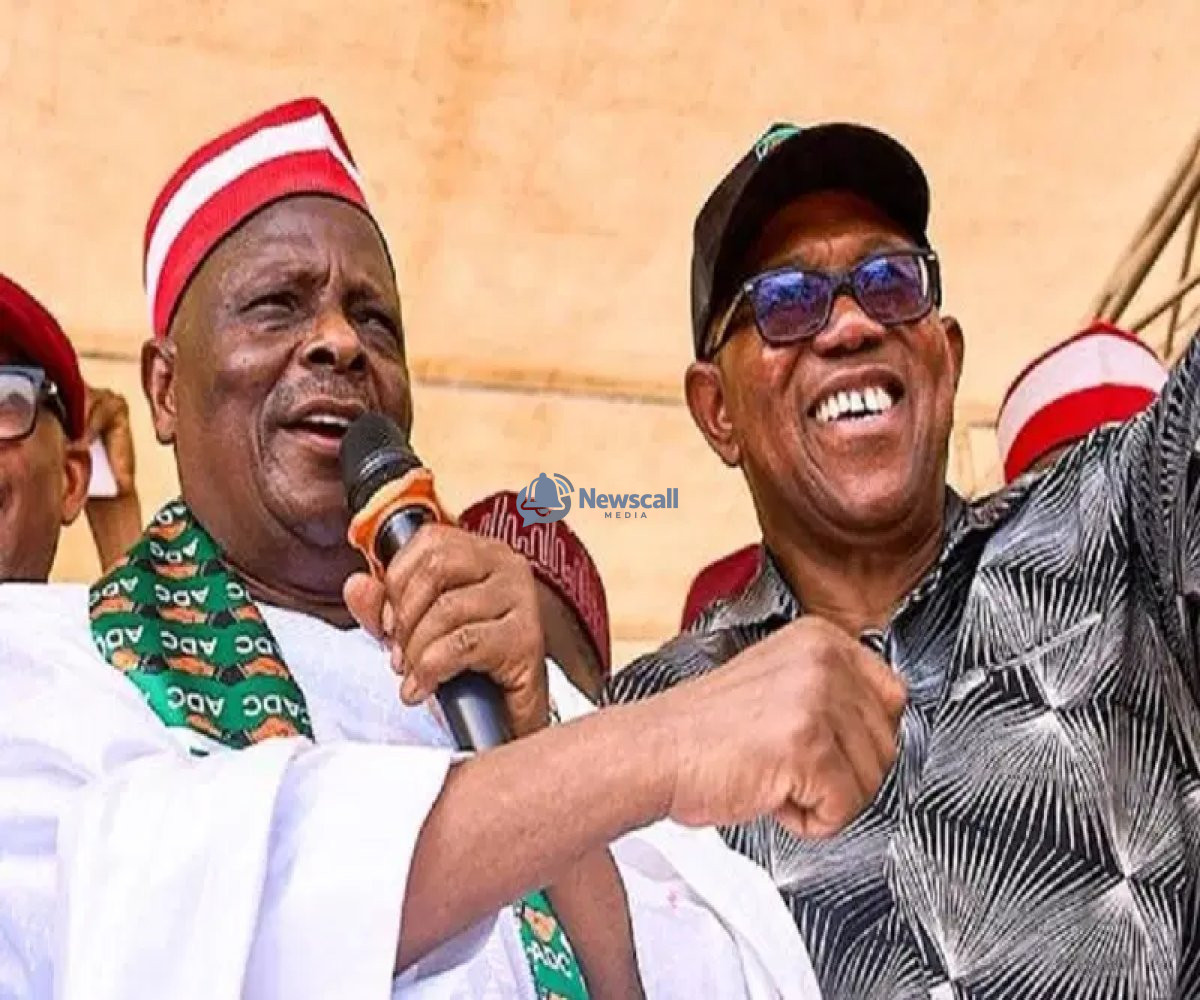
Obi’s comments also come amid ongoing political realignments involving opposition figures. Alongside former Kano State Governor Rabiu Musa Kwankwaso, Obi has recently been associated with the Nigeria Democratic Congress (NDC), a political platform they joined following earlier collaboration within the African Democratic Congress (ADC), an opposition coalition.
The movements, according to the politicians, were driven by concerns over Nigeria’s evolving political climate, including internal party tensions, external interference, and growing hostility within existing political structures.
Growing national debate
Nigeria’s projected debt servicing obligation for 2026 has continued to generate debate among economists, policymakers, and political actors, with many warning that rising debt costs could significantly constrain government capacity to fund essential services.
While government officials have previously defended borrowing as necessary for infrastructure development and economic recovery, critics like Obi argue that the structure and efficiency of such borrowing remain central to determining whether it becomes a burden or a catalyst for growth.
As discussions continue, the issue of debt sustainability is expected to remain a major point of contention in Nigeria’s economic and political discourse heading into 2026.

Anozie Chiemerie Emmanuel
Writer