

APC Governorship Primaries: Key Battles, Consensus Deals and Power Struggles Ahead of 2027
APC Governorship Primaries: Key Battles, Consensus Deals and Power Struggles Ahead of 2027
Nigeria’s ruling party, the All Progressives Congress (APC), is entering one of its most decisive political seasons ahead of the 2027 general elections. With governorship elections scheduled in 28 states, the party is facing a mix of consensus arrangements, internal rivalries, zoning debates, defections and power struggles that could shape its national dominance before the presidential election.
Several incumbent governors are completing their constitutional two terms and are now attempting to influence who succeeds them. In many states, party leaders have pushed for consensus candidates to avoid damaging primaries, while in others fierce battles between political heavyweights threaten internal unity.
The APC currently controls most of the states holding governorship elections in 2027, making the primaries almost as important as the general elections themselves.
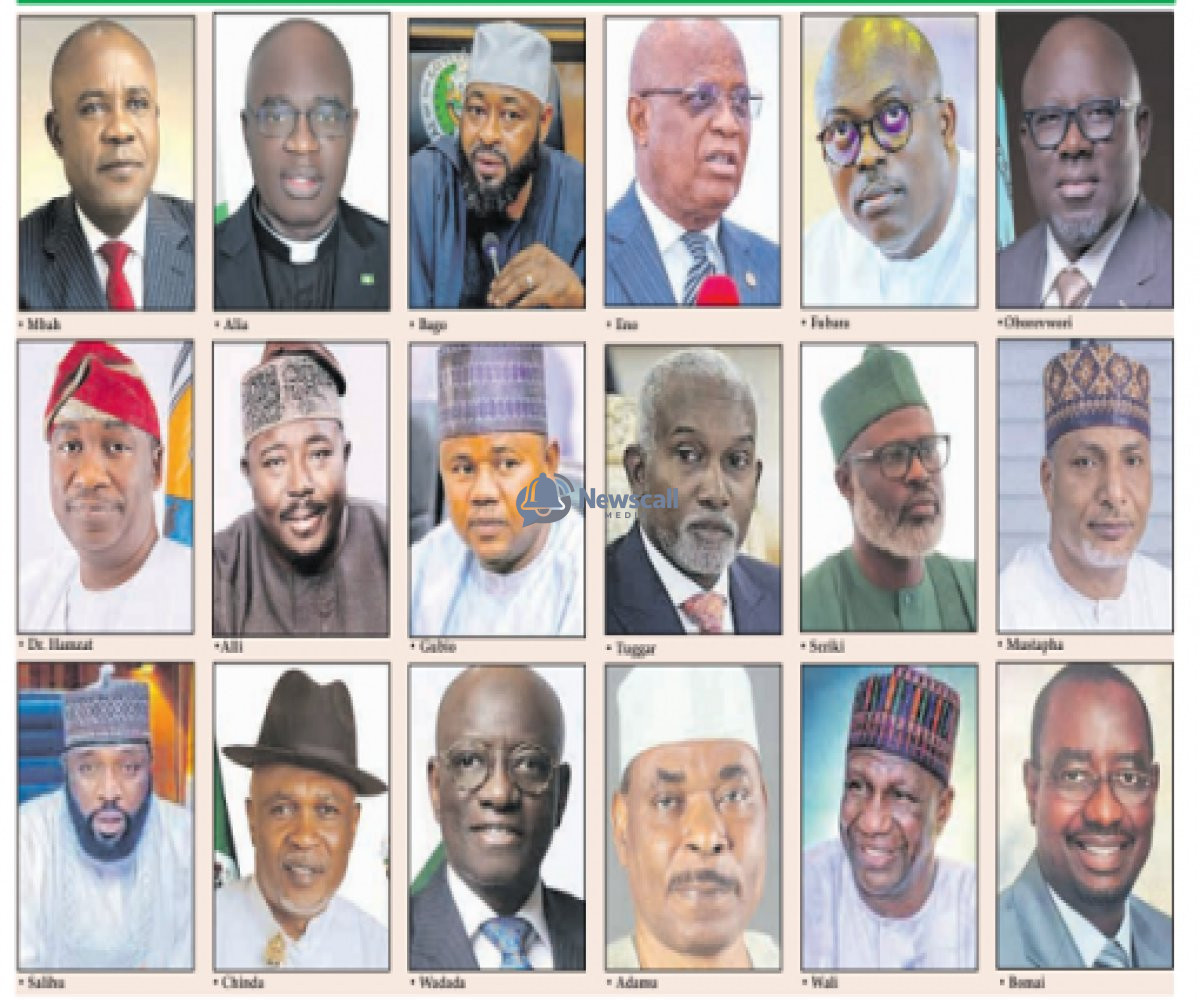
Lagos: Hamzat Emerges as Consensus Favourite
In Lagos State, Deputy Governor Obafemi Hamzat has emerged as the preferred consensus candidate after consultations within the powerful Governance Advisory Council (GAC), the apex leadership structure of the Lagos APC.
Prominent figures reportedly linked to governorship ambitions — including Chief of Staff Tayo Ayinde, Minister of Education Tunji Alausa, presidential aide Hakeem Muri-Okunola and former Speaker Femi Gbajabiamila — did not openly challenge the arrangement.
Hamzat’s long political experience, including service as commissioner and deputy governor, strengthened his standing among party stakeholders. The APC leadership in Lagos also emphasized that direct primaries remain an option if consensus fails.
Rivers: Wike’s Structure Dominates APC Calculations
In Rivers State, the APC governorship contest is expected to revolve around the influence of Federal Capital Territory Minister Nyesom Wike and his political allies.
Governor Siminalayi Fubara is reportedly facing serious challenges within the APC structure, which is believed to be controlled by Wike’s loyalists under the “Rainbow Coalition.”
Political analysts believe former House Minority Leader Kingsley Chinda and former BCDA Director-General George-Kelly are stronger contenders within the party because of their ties to the coalition.
Kano: Governor Yusuf Gains APC Backing After Defection
In Kano State, Governor Abba Kabir Yusuf’s recent defection from the NNPP to the APC dramatically changed the political landscape.
The APC has already endorsed Yusuf as its governorship candidate for 2027, giving the governor a major advantage ahead of the elections. Party stakeholders in Kano appear focused on maintaining unity following the realignment.
Kaduna: Uba Sani Consolidates APC Control
Governor Uba Sani currently enjoys one of the strongest positions within the APC ahead of 2027.
Party stakeholders in Kaduna State have largely rallied behind him through a consensus arrangement, reducing internal opposition. Analysts also point to APC’s growing influence in Southern Kaduna following defections from opposition parties.
The governor’s political strategy has focused heavily on reconciliation after divisions linked to the administration of former governor Nasir El-Rufai.
Oyo: APC Faces Internal Competition
Unlike Lagos and Kaduna, the APC in Oyo State is witnessing growing rivalry among aspirants.
Former Minister of Power Adebayo Adelabu, Senator Sharafadeen Alli and other influential figures are competing for control of the party structure ahead of the primaries.
Party leaders fear that unresolved internal divisions could weaken APC’s chances against the ruling Peoples Democratic Party (PDP), which currently controls the state under Governor Seyi Makinde.
Yobe: Consensus Arrangement Faces Resistance
One of the most intense APC succession battles is unfolding in Yobe State.
Former Secretary to the State Government Baba Malam Wali is widely regarded as Governor Mai Mala Buni’s preferred successor. However, Senator Ibrahim Bomai and other aspirants have rejected attempts to impose a consensus candidate.
The disagreement could force the APC into a direct primary election, exposing deeper divisions within the party. Political observers say the outcome may determine whether elite consensus or grassroots competition defines APC politics in Yobe moving forward.
Kwara: Crowded Field Raises Stakes
Kwara State currently has one of the most crowded APC governorship races in the country, with at least 16 aspirants reportedly purchasing nomination forms.
Among the leading names are Senator Salihu Mustapha, former APC chairman Bashir Bolarinwa, former Senator Ibrahim Oloriegbe and Speaker Yakubu Danladi Salihu.
Political analysts believe the contest may eventually narrow around candidates with stronger grassroots structures and financial influence.
Ogun: Yayi Builds Momentum
In Ogun State, Senator Solomon Olamilekan Adeola, popularly known as Yayi, is emerging as the leading APC governorship contender.
Support from influential stakeholders and Governor Dapo Abiodun’s political structure has boosted his chances. Analysts say his constituency projects and political alliances across Ogun’s three senatorial districts have strengthened perceptions that he is the preferred successor.
Bauchi: Opposition Battle Intensifies
Although APC is not the ruling party in Bauchi State, the party is positioning itself strongly for 2027.
Foreign Affairs Minister Yusuf Tuggar, Senator Shehu Buba Umar and technocrat Bala Wunti are among the leading APC figures preparing for the governorship contest.
Observers say zoning debates, grassroots mobilization and internal unity will play decisive roles in determining APC’s chances against the state’s ruling political structure.
The APC governorship primaries are significant because they will shape Nigeria’s political balance ahead of the presidential election in 2027.
In many states, governorship candidates effectively become the political leaders of their regions, controlling party structures, campaign resources and grassroots mobilization networks.
Several APC governors are also trying to preserve their political influence by supporting loyal successors. This has triggered tensions in states where aspirants oppose consensus arrangements and demand direct primaries.
Political analysts warn that poorly managed primaries could trigger defections, anti-party activities and legal disputes similar to crises that affected parties in previous election cycles.
The growing influence of the African Democratic Congress (ADC) and opposition coalitions in some northern states has also increased pressure on APC leaders to maintain unity.
The APC enters the 2027 election cycle as Nigeria’s dominant political party, but internal contests across several states reveal growing tensions beneath the surface.
While consensus arrangements have helped the party avoid open warfare in states like Lagos, Kaduna and Kano, fierce struggles in Yobe, Oyo, Rivers and Kwara suggest that the battle for political succession within the APC is far from settled.
How the party manages these primaries may ultimately determine whether it retains its national dominance or faces deeper internal fractures before the 2027 general elections.

Nwekwe Esther Amarachukwu
Public speaker,Research-driven writer covering politics and public affairs, committed to accuracy, and meaningful public discourse.