

2027 Presidency: Jonathan, Peter Obi Emerge Leading Candidates in PDP, NDC
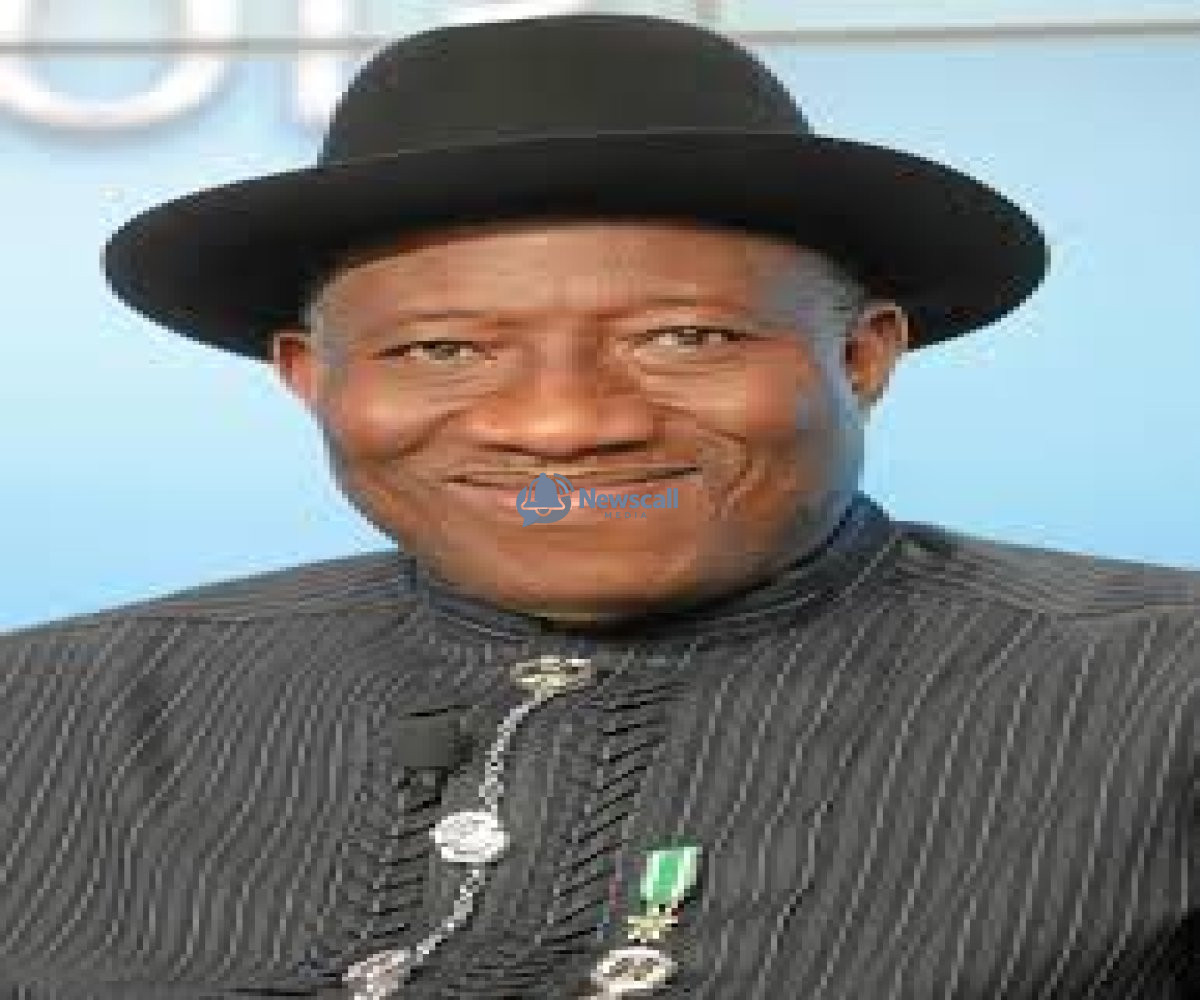
2027 Presidency: Jonathan, Peter Obi Emerge Leading Candidates in PDP, NDC
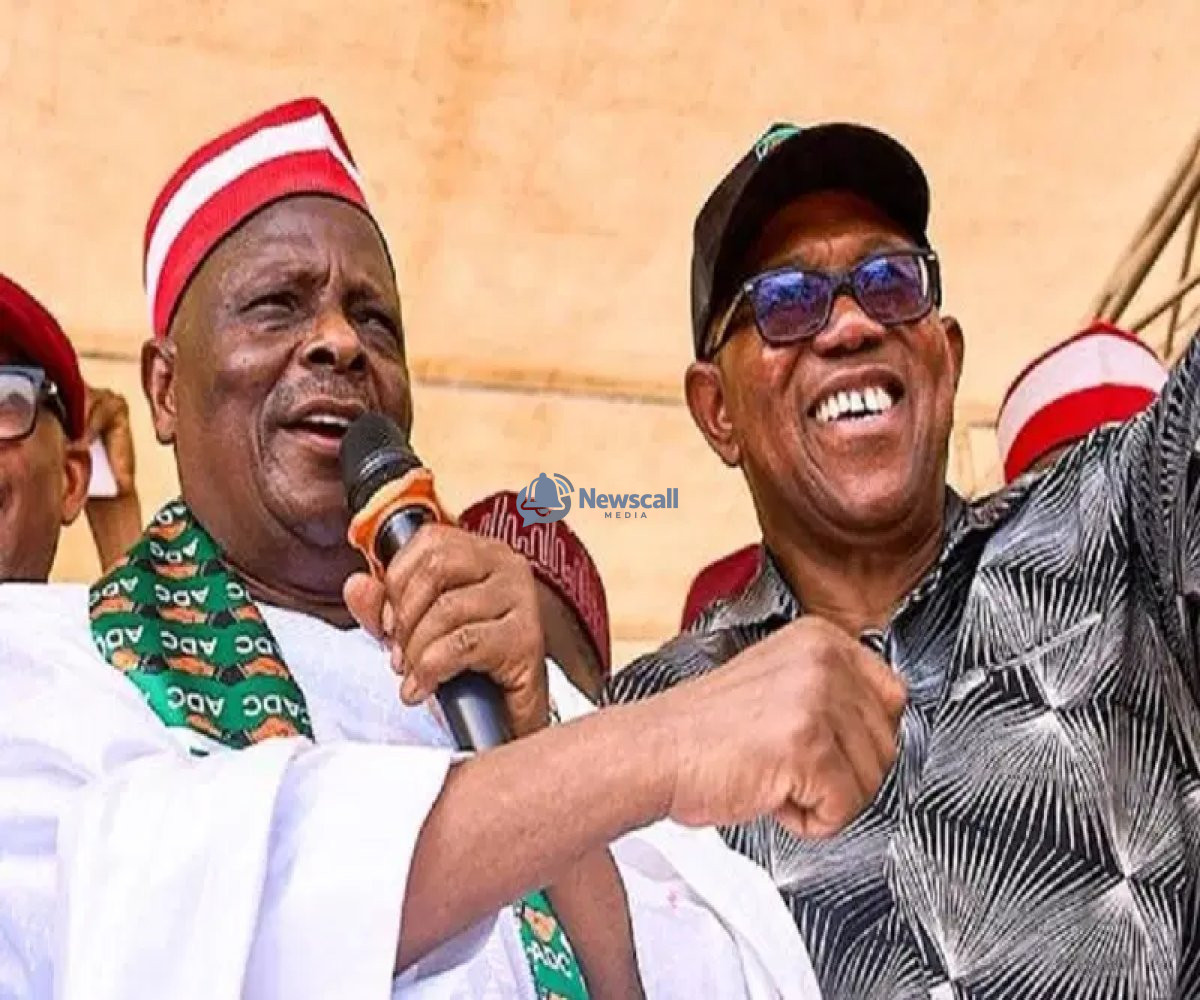
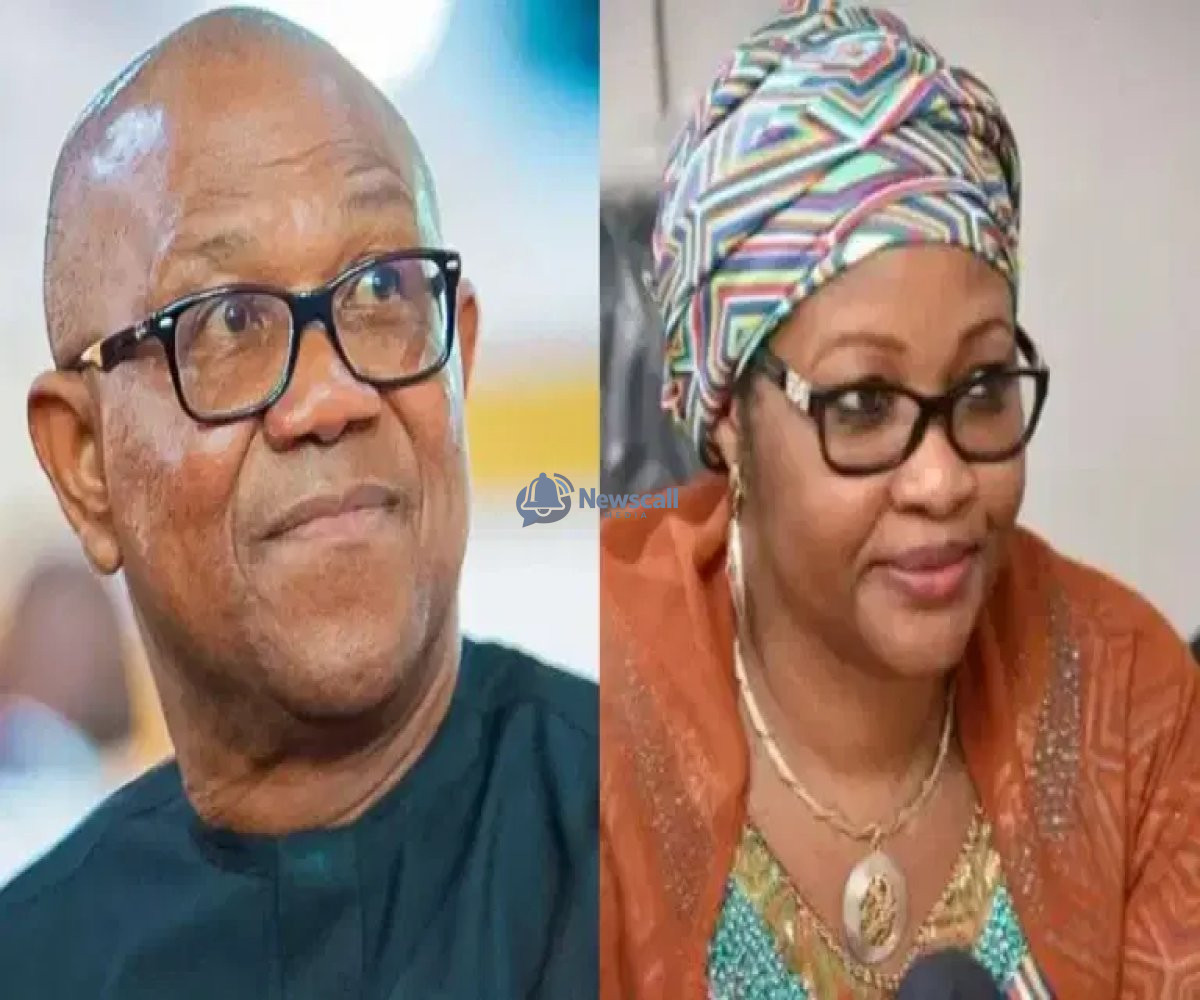
Former President Goodluck Jonathan and former Anambra State governor Peter Obi have emerged as the leading presidential contenders of the Peoples Democratic Party (PDP) and the Nigeria Democratic Congress (NDC) respectively ahead of the 2027 general elections.
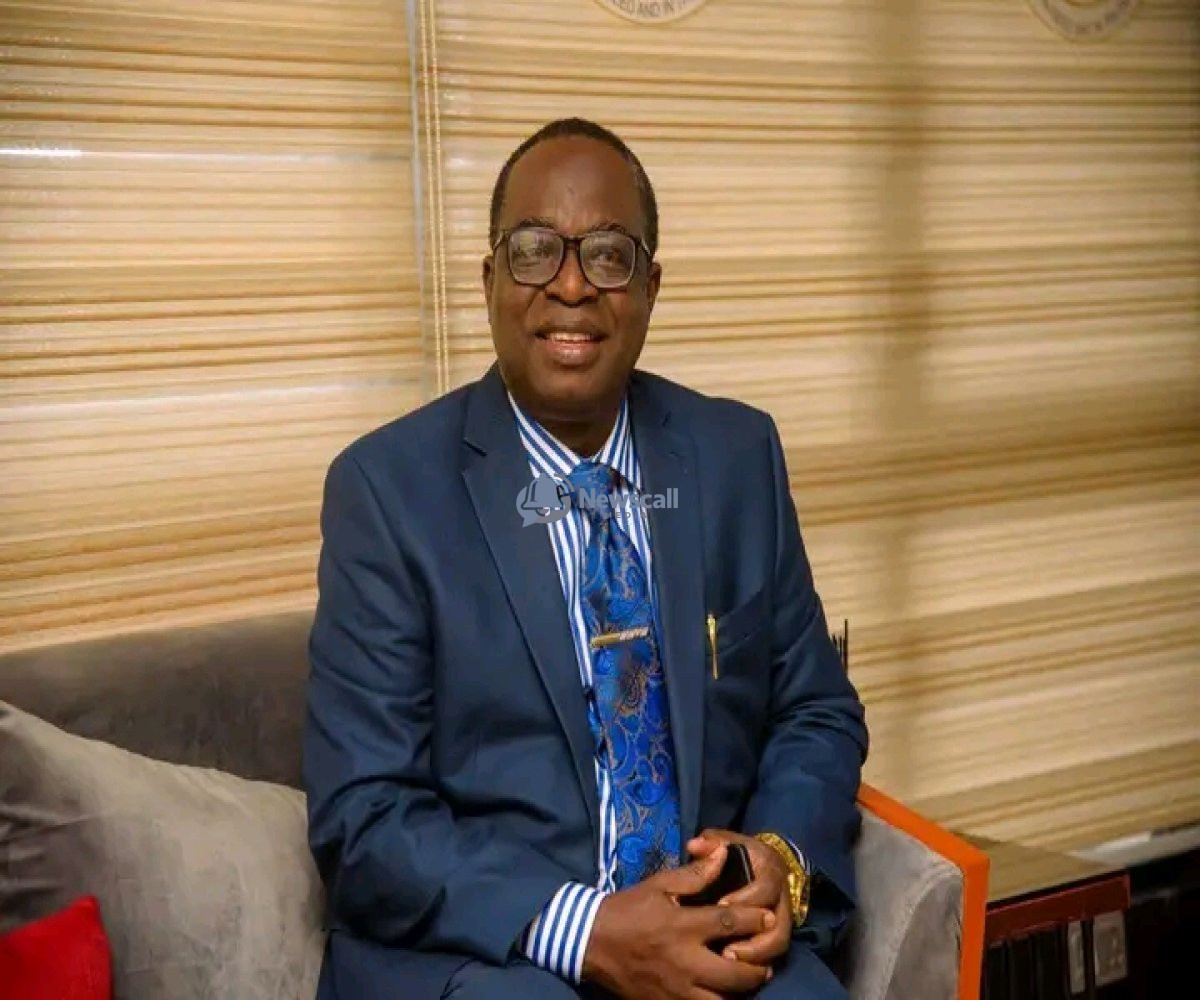
Jonathan was reportedly cleared as the sole presidential candidate by a PDP faction led by former Minister of Special Duties Taminu Turaki, while Peter Obi emerged as the only aspirant to obtain the NDC presidential nomination forms before the deadline.
The developments mark another major shift in Nigeria’s rapidly evolving political landscape as parties intensify preparations for the 2027 presidential election.
Jonathan Cleared by PDP Screening Committee
According to party sources, the PDP screening committee chaired by former Niger State governor Babangida Aliyu announced Jonathan’s clearance after the screening exercise conducted on Tuesday.
The announcement effectively positions Jonathan as the faction’s preferred presidential candidate ahead of the party’s nomination process.
A PDP chieftain, Umar Sani, confirmed during an interview on Trust TV that Jonathan had purchased the party’s nomination forms, signaling serious interest in a return to active partisan politics.
According to Sani, obtaining the nomination forms was a strong indication that the former president intends to contest the 2027 presidential election.
Jonathan, who served as Nigeria’s president from 2010 to 2015, has remained one of the country’s most influential political figures despite largely staying away from direct electoral contests since leaving office.
Peter Obi Emerges Sole Aspirant in NDC
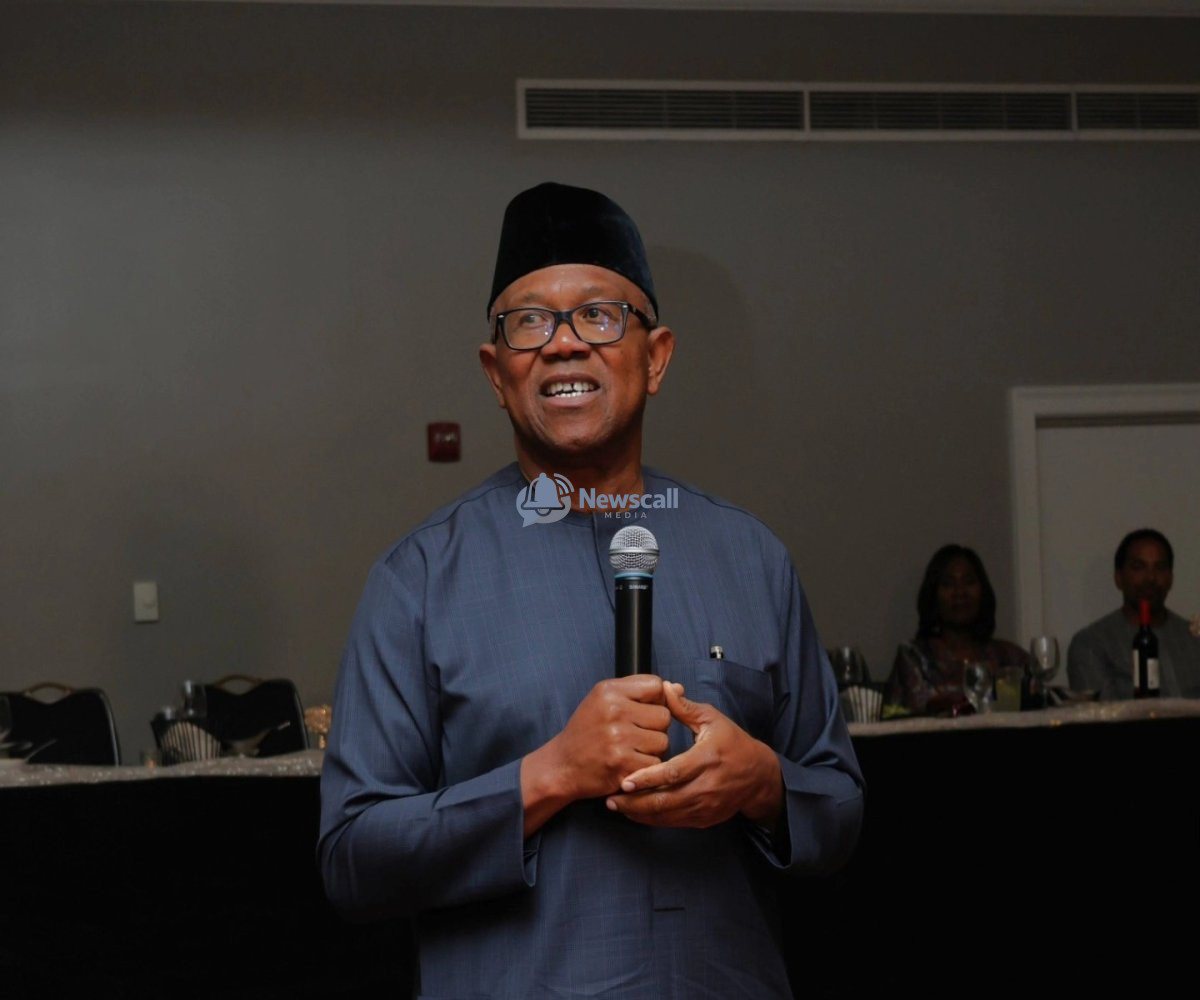
Meanwhile, the Nigeria Democratic Congress confirmed that Peter Obi was the only politician to purchase its presidential Expression of Interest and Nomination Forms before the May 17, 2026 deadline.
Party insiders said Obi’s emergence as the sole applicant places him in a strong position to become the party’s consensus presidential candidate once screening is completed.
Obi recently joined the NDC after leaving the African Democratic Congress (ADC), a move that generated significant political debate across the country.
The NDC’s National Secretary, Ikenna Morgan Enekweizu, confirmed that presidential form sales had officially closed while deadlines for governorship and legislative aspirants were extended until May 24, 2026.
The party also announced that aspirant screening would run from May 19 to May 26, followed by nomination procedures within the same period.
Screening Requirements and Party Conditions
The NDC stated that all aspirants must submit academic qualifications, voter identification documents, birth certificates or sworn declarations of age, passport photographs, curriculum vitae and evidence of party membership.
According to the party, the screening process would evaluate:
Political competence
Grassroots support
Personal character
Compliance with zoning arrangements
Inclusiveness policies for women, youths and persons with disabilities
Party officials said the measures were designed to strengthen internal democracy and ensure credible candidate selection ahead of the elections.
The emergence of Jonathan and Obi as leading contenders reflects growing realignments within Nigeria’s opposition politics ahead of 2027.
Jonathan’s possible return would mark one of the most significant political comebacks in Nigeria’s democratic history. His administration remains widely remembered for major economic reforms, power sector privatization efforts and the peaceful transfer of power following the 2015 election defeat.
Peter Obi, on the other hand, continues to command a strong support base among young voters and urban middle-class Nigerians following his strong performance in the 2023 presidential election under the Labour Party platform.
Political analysts believe Obi’s movement across opposition platforms highlights ongoing coalition-building efforts among politicians seeking to challenge the ruling All Progressives Congress (APC) in 2027.
However, observers also note that internal divisions, factional leadership disputes and party restructuring could still affect the final lineup of presidential candidates before the elections.
As Nigeria moves closer to the 2027 general elections, opposition parties are beginning to reveal their political direction through early candidate positioning and alliance-building.
Goodluck Jonathan’s reported clearance by the PDP faction and Peter Obi’s emergence as the sole NDC presidential aspirant signal what could become one of the most competitive presidential races in recent Nigerian political history.
With screening processes ongoing and party structures still evolving, the coming months are expected to shape the strength, unity and electoral strategy of the country’s major opposition movements.

Nwekwe Esther Amarachukwu
Public speaker,Research-driven writer covering politics and public affairs, committed to accuracy, and meaningful public discourse.