

How Algorithms Quietly Shape What People Believe Online
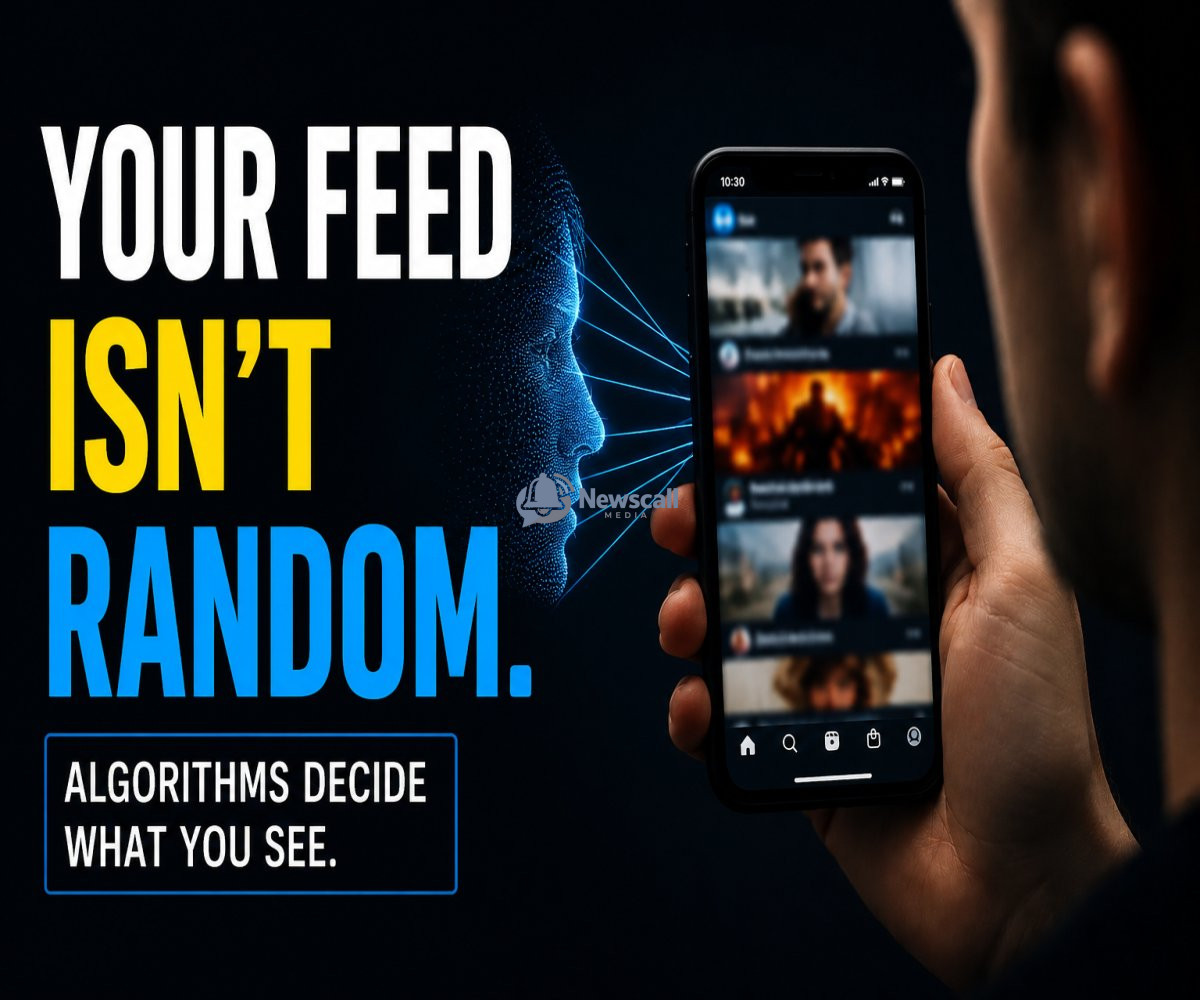
Most people think they freely choose what they watch online.
Every scroll, video, headline, recommendation, and trending topic appears personal — as if users simply discover the content themselves.
But much of what people see online is carefully filtered through invisible systems working constantly in the background:
Algorithms.
These recommendation systems now influence how billions of people consume information across social media platforms, search engines, video apps, online stores, and digital news feeds.
And over time, they may quietly shape not only what people watch…
But also what they believe.
---
Algorithms are designed to predict what users are most likely to engage with.
They study:
- watch history
- likes
- search behavior
- comments
- viewing time
- interactions
- online habits
The goal is usually simple:
Keep people on platforms for as long as possible.
The longer users stay engaged, the more valuable platforms become commercially through advertising, subscriptions, and user activity.
---
This creates a powerful feedback system.
When someone interacts repeatedly with a particular type of content, algorithms often respond by recommending even more similar material.
Over time, users can begin seeing increasingly narrow versions of information, opinions, and perspectives.
This phenomenon is sometimes described as a “filter bubble” — where digital platforms slowly personalize reality itself.
“Algorithms do not just organize information anymore. They increasingly influence attention.”
---
The influence extends far beyond entertainment.
Algorithms now affect:
- political discussions
- financial trends
- shopping behavior
- cultural conversations
- news visibility
- public opinion
- internet culture
Trending topics can spread globally within hours, often amplified by automated recommendation systems deciding what receives visibility first.
---
One major concern is that emotionally charged content tends to perform extremely well online.
Posts that trigger:
- outrage
- fear
- controversy
- excitement
- strong emotional reactions
often generate higher engagement than calmer or more balanced information.
As a result, some critics argue that algorithms may unintentionally reward polarization because highly emotional content keeps users interacting longer.
---
At the same time, algorithms also bring enormous benefits.
They help users:
- discover new creators
- find relevant information
- personalize experiences
- access educational content
- navigate massive amounts of digital information quickly
Without recommendation systems, the modern internet would feel significantly more chaotic and difficult to navigate.
---
The broader issue may not be whether algorithms are good or bad.
It may be how much influence invisible digital systems should have over human attention itself.
Because the internet is no longer simply a collection of websites people visit manually.
It is increasingly an environment where automated systems decide what billions of people notice first.
And as digital platforms continue shaping communication globally, understanding how algorithms influence online behavior may become one of the most important forms of digital literacy in the modern era.

Victor Oluebubechukwu Akuma.
Creative writer