How Undersea Internet Cables Quietly Power the Global Economy
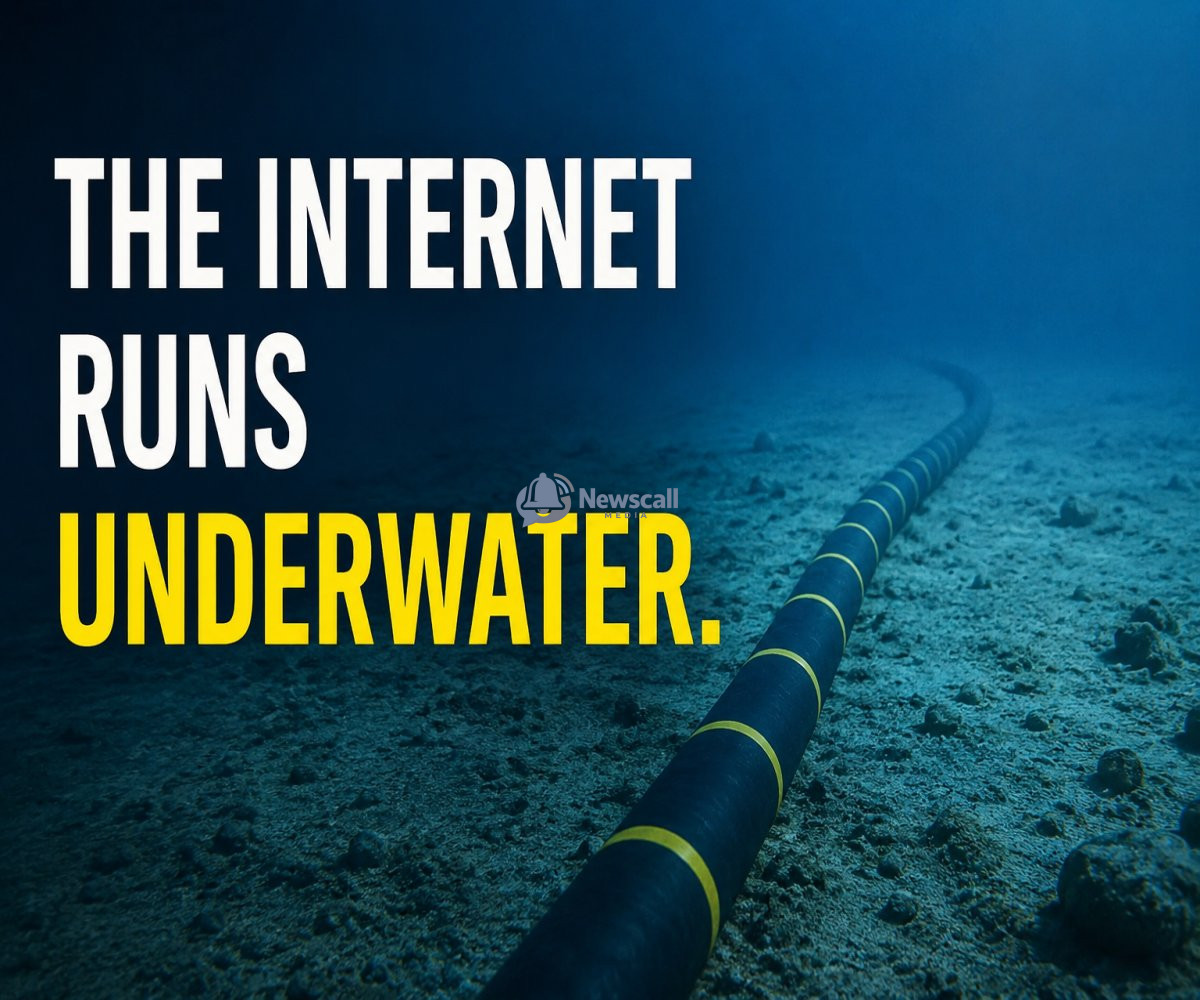
The modern internet feels wireless.
People stream movies from smartphones, send messages instantly across continents, join video meetings remotely, and transfer money digitally within seconds. Everything appears to move invisibly through the air.
But beneath the oceans lies one of the most important pieces of global infrastructure powering nearly all of it:
Undersea internet cables.
These massive fiber-optic cables stretch across the floors of oceans and seas, connecting continents through high-speed data transmission systems that quietly power the modern digital economy.
Without them, the global internet as people know it today would barely function.
---
Many people assume satellites carry most international internet traffic.
In reality, undersea cables handle the overwhelming majority of global internet communication.
These cables transport enormous amounts of data between countries every second, including:
- financial transactions
- cloud computing traffic
- social media activity
- video streaming
- government communications
- international business operations
They form the hidden backbone of the internet itself.
---
The global network is enormous.
Thousands of kilometers of fiber-optic cables now connect regions across:
- Africa
- Europe
- Asia
- North America
- South America
- the Middle East
Some individual cables stretch across entire oceans while operating continuously 24 hours a day beneath extreme underwater conditions.
---
These systems have become critically important because modern economies depend heavily on digital connectivity.
Banks rely on fast international communication systems. Cloud platforms continuously transfer data globally. Streaming services deliver massive amounts of content daily. Businesses coordinate operations across multiple countries in real time.
Even slight disruptions to major cable systems can affect internet speed, cloud services, financial markets, and communication networks across entire regions.
---
Africa’s digital growth is also becoming increasingly connected to undersea infrastructure.
New cable projects across the continent are improving internet capacity, reducing latency, and expanding connectivity for businesses, startups, cloud systems, and digital services.
Countries including Nigeria, South Africa, Kenya, and Egypt are benefiting from expanding international cable connections supporting digital transformation and internet growth.
---
Technology companies are now investing heavily in cable infrastructure themselves.
Major firms like Google and Meta increasingly support large-scale undersea cable projects because modern cloud computing, artificial intelligence systems, and digital platforms require enormous amounts of global data movement.
The internet is becoming more infrastructure-intensive than ever before.
---
Despite their importance, most people rarely think about undersea cables because they remain largely invisible to everyday users.
But behind every streamed video, online payment, remote job, cloud platform, and international digital interaction lies a vast physical network hidden beneath the oceans.
The future digital economy may appear virtual on the surface…
Yet much of it still depends on physical infrastructure running silently across the ocean floor.

Victor Oluebubechukwu Akuma.
Creative writer