

The Estrogen Connection: Unpacking the Silent Risk Factors of Breast Cancer and Proven Natural Defenses.
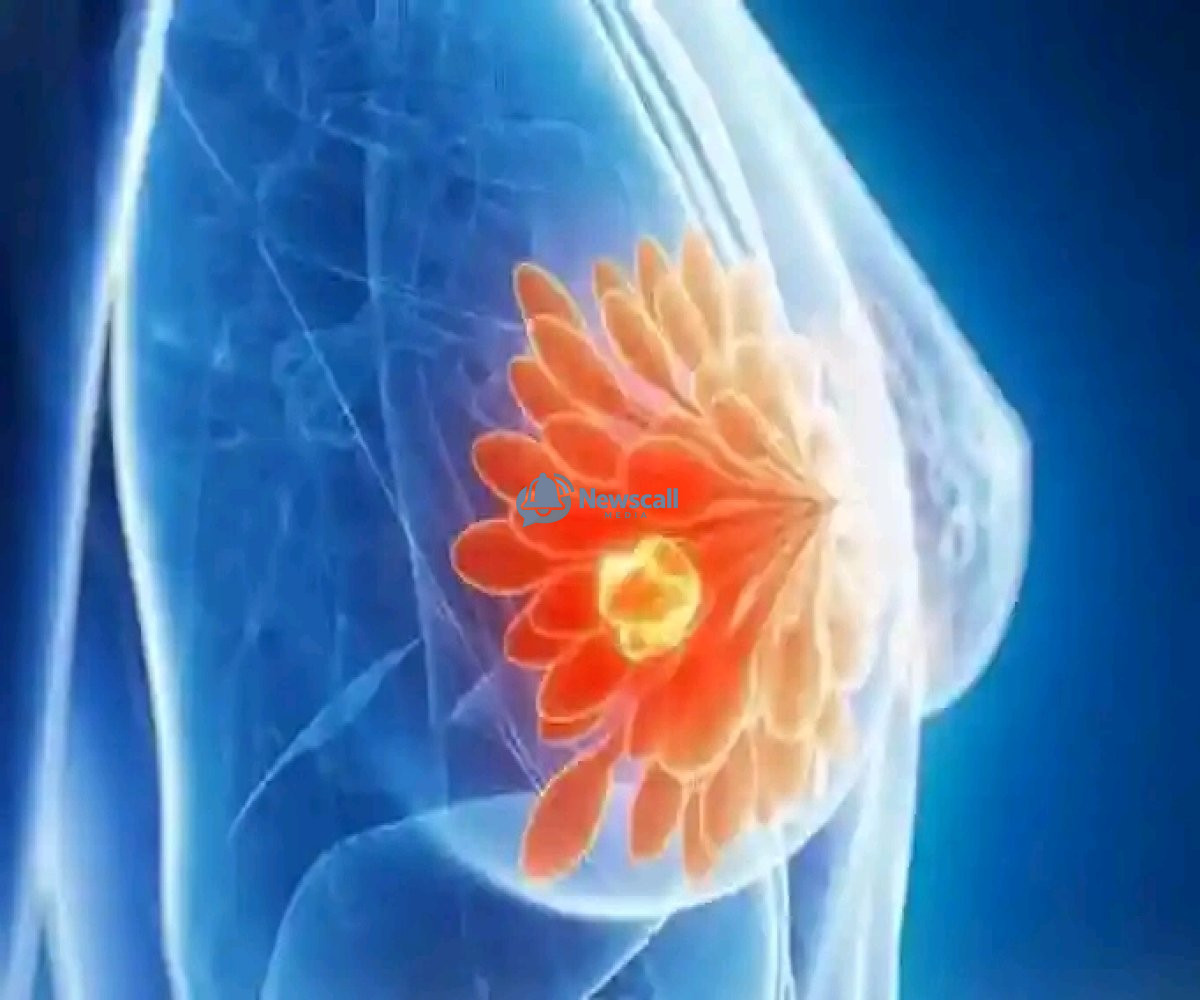
Despite decades of research and millions raised for awareness, one unsettling truth remains: no one knows exactly what causes breast cancer. What experts do know, however, is that the disease is not a single-event catastrophe but a complex puzzle influenced by a web of factors from lifestyle choices and genetics to environmental exposure and even biology itself.
At the heart of this mystery lies a powerful female sex hormone: estrogen.
The Estrogen Link: A Double-Edged Sword.
Estrogen plays a vital role in the female body, acting on breast tissue to promote normal growth and development. But there is a dark side. The longer breast tissue is exposed to estrogen, the greater the opportunity for cells to divide and accumulate errors. In essence, prolonged estrogen exposure provides fertile ground for mutations to take root.
This explains why certain life events tied to hormonal timing significantly alter risk:
· Early menstruation (menarche before age 12)
· Late menopause (after age 55)
· Never having children or having them later in life
Each of these factors extends a woman’s lifetime exposure to estrogen, nudging up the statistical probability that breast cells will eventually divide abnormally, become “immortal” (evading natural cell death), and if not caught early metastasize to other organs.
Beyond Hormones: The Full Spectrum of Risk Factors.
While estrogen is a key driver, it is far from the only culprit. Oncologists point to a constellation of known risk factors:
· Aging: The single greatest risk factor; most cases are diagnosed after age 50.
· Family history & genetics: Inherited mutations (such as BRCA1 and BRCA2) can dramatically elevate risk.
· Obesity: Adipose (fat) tissue produces estrogen after menopause, meaning excess weight directly increases hormonal exposure.
· Alcohol & smoking: Both are linked to DNA damage and increased oxidative stress in breast tissue.
· Race & ethnicity: Incidence and mortality rates vary, with some groups facing higher aggressive subtypes or later diagnoses due to systemic disparities.
The Natural Defense Playbook: 8 Evidence-Based Actions.
You cannot change your genetics or your age, but you are far from powerless. Experts agree that lifestyle choices can significantly modulate risk sometimes cutting it by half. Here is how to build a natural shield against breast cancer:
1. Know Your Normal (Self-Checks Matter)
No tool is more accessible than your own hands and eyes. Regularly feel your breasts in the shower or lying down. Know their baseline lumpiness, texture, and shape. The goal isn’t to cause anxiety but to detect change a new dimple, discharge, or hard knot and report it immediately.
2. Commit to Clinical Screening
Self-checks are a first alert, not a substitute for science. Regular mammograms and clinical breast exams by a doctor remain the gold standard for catching tumors when they are tiny, localized, and highly treatable.
3. Wage War on Excess Weight
After menopause, fat tissue becomes the primary source of estrogen. Maintaining a healthy body mass index (BMI) is not about vanity; it is a direct hormonal intervention that lowers circulating estrogen levels.
4. Move Your Body Daily
You do not need a marathon. A brisk 30-minute walk, five days a week, has been shown to reduce inflammation, improve immune function, and lower breast cancer risk. The goal is consistency, not intensity.
5. Rethink That Glass of Wine
Alcohol is classified as a Group 1 carcinogen. Even moderate drinking as little as one drink per day is linked to a measurable increase in breast cancer risk. If you drink, keep it rare or switch to non-alcoholic alternatives.
6. Breastfeed When Possible
Breastfeeding is protective for two reasons: it delays the return of menstruation (reducing lifetime estrogen cycles) and causes physical changes in breast tissue that make it more resistant to malignant transformation.
7. Question Hormone Therapies
Synthetic hormones are not inherently evil, but they are not harmless either. Long term use of combined estrogen progestin hormone replacement therapy (HRT) for menopause symptoms has been directly linked to increased breast cancer risk. Always insist on the lowest effective dose for the shortest necessary time and only under medical supervision.
8. Eat for Immunity, Not Perfection
No single food prevents cancer, but a diet rich in fruits, vegetables, whole grains, and fiber supports a healthy gut microbiome and immune surveillance. Think of each meal as an opportunity to lower systemic inflammation.
Breast cancer does not announce itself with a drumroll. It often begins silently a single cell dividing wrong, fueled by hormones it should not have outlived, in a body weighed down by preventable risk factors. But knowledge is prophylaxis. By understanding the estrogen connection and embracing these eight natural strategies, you shift from passive worry to active protection.
Early detection saves lives. But prevention? That saves the fight.

Umeanozie Prosper
Writer, Novelist,blogger, content creator