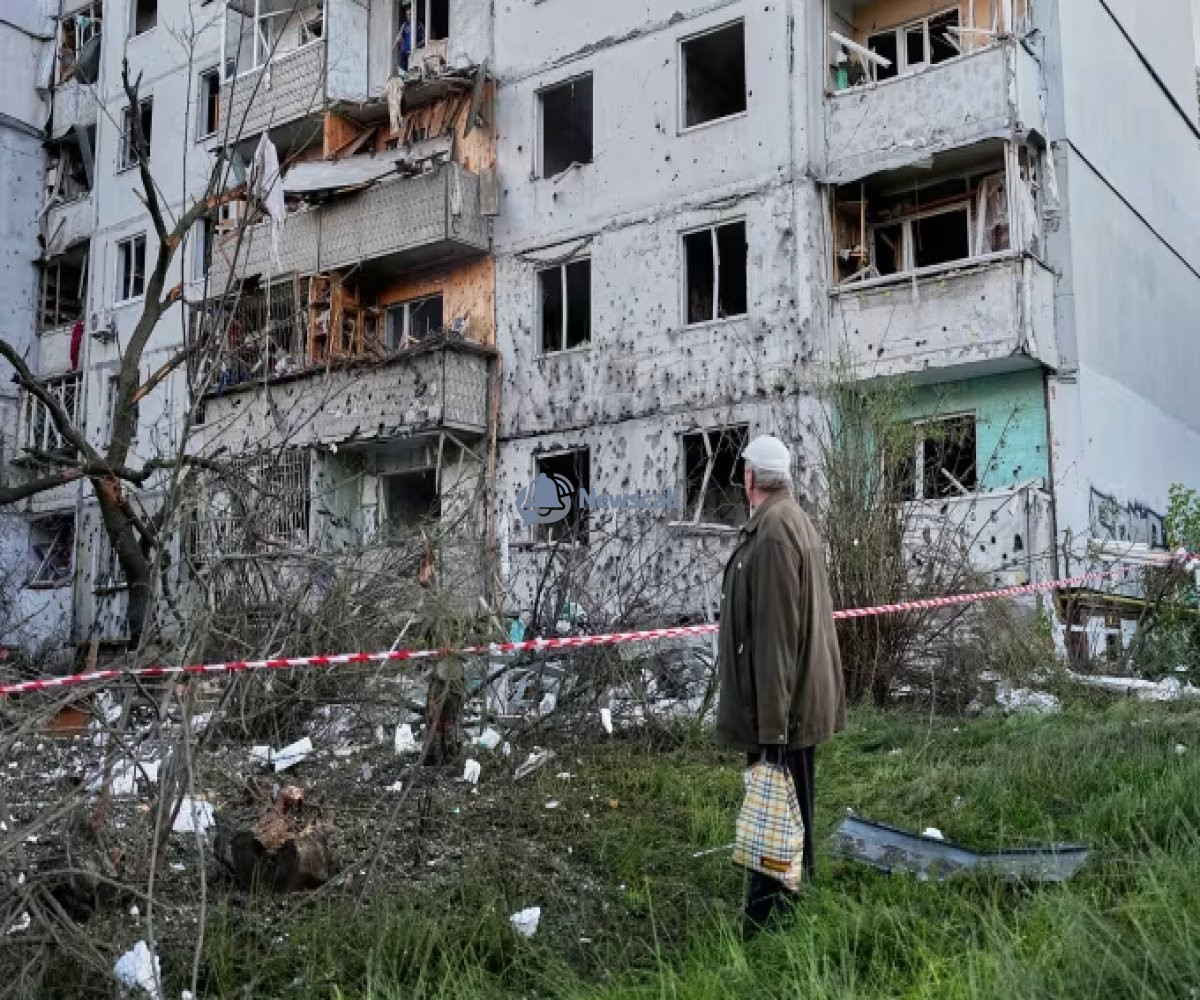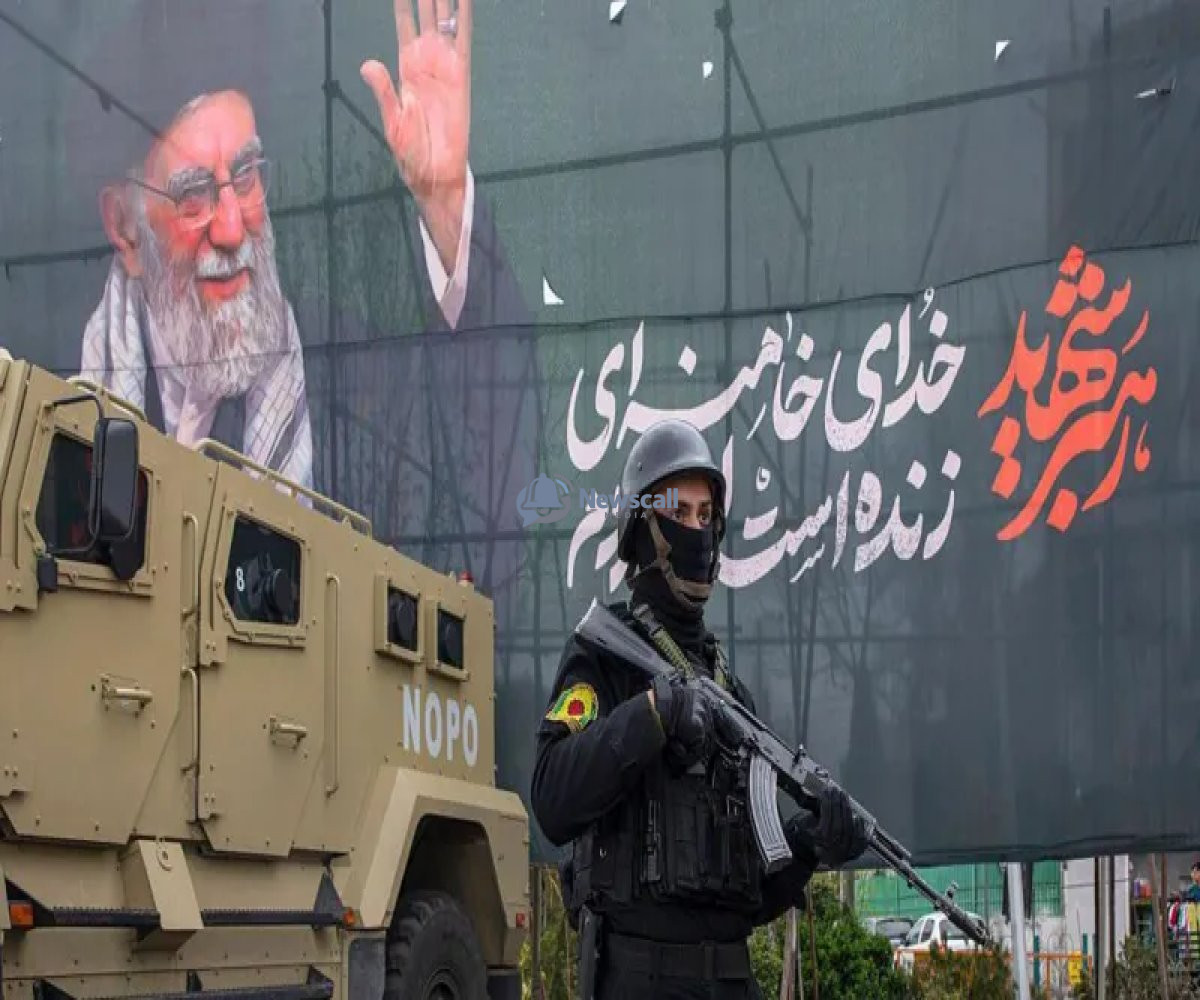


“Ceasefire on the Brink: Trump Warns Iran as Talks Collapse Over Hormuz Blockade”
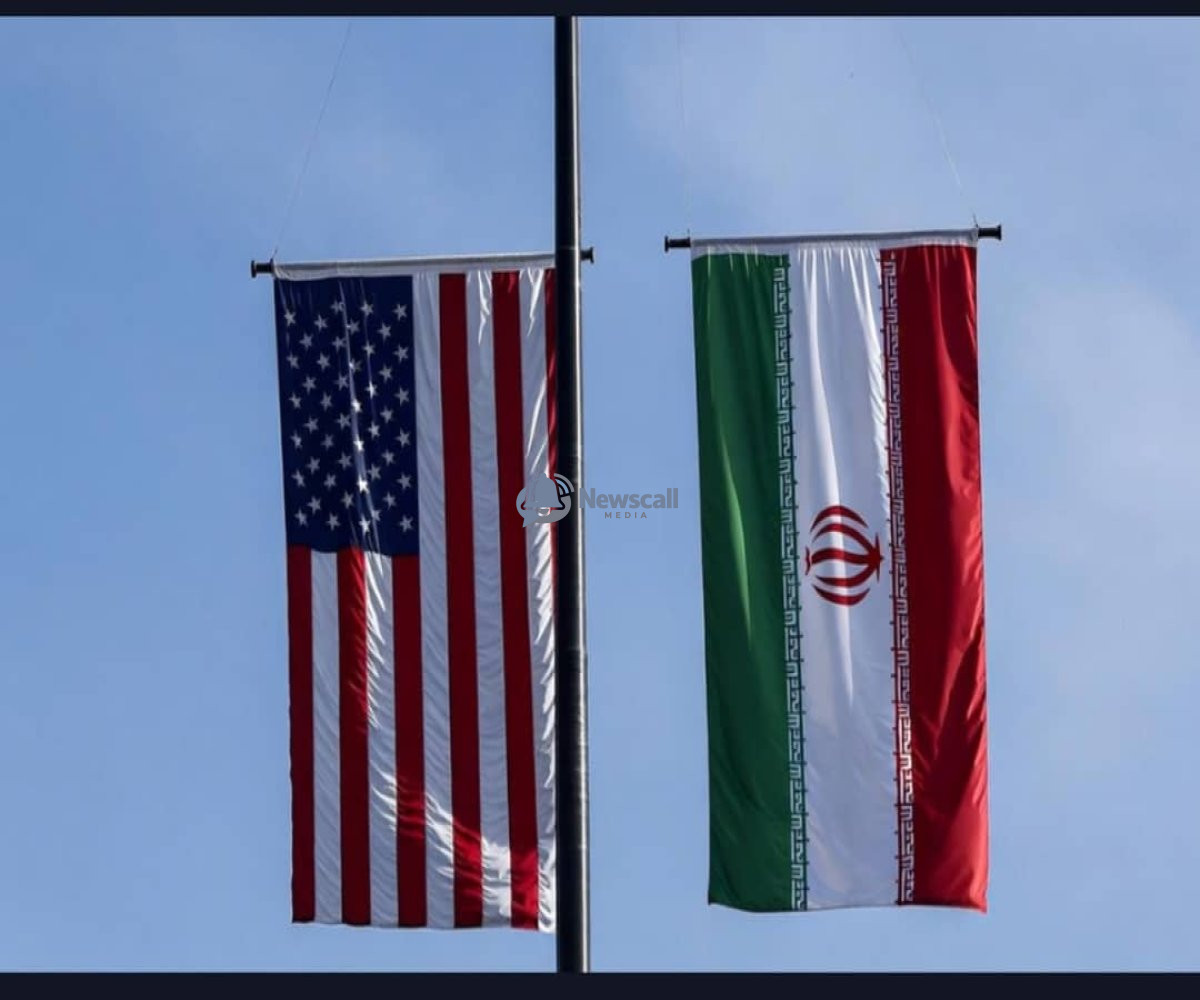
The fragile truce between the United States and Iran is unraveling, with President Donald Trump warning that he is unlikely to extend the ceasefire beyond Wednesday. Accusations of violations, naval confrontations, and diplomatic deadlock have pushed the conflict to the edge of renewed escalation.
Ceasefire Deadline Approaches
The two-week ceasefire, brokered earlier this month, is set to expire tomorrow evening. Trump declared today that Iran has committed “numerous violations” and insisted that an extension is “highly unlikely.” He issued a stark warning: “If Iran refuses our terms, lots of bombs will go off.”
Iran, for its part, has rejected participation in peace talks scheduled in Islamabad, Pakistan. Tehran insists it will not negotiate until the U.S. lifts its naval blockade of the Strait of Hormuz, a critical waterway for global oil shipments.
Ship Seizure Fallout
Tensions escalated further after U.S. forces seized the Iranian cargo vessel M/V Touska in the Arabian Sea. Washington accused the ship of breaching the blockade, while Tehran condemned the action as “piracy” and an “act of war.” Iran has demanded the vessel’s immediate release and vowed retaliation if it is not returned.
Sanctions and Economic Pressure
Adding to the strain, Washington announced new sanctions today against 14 entities in Iran, Turkey, and the UAE. These groups are accused of helping Tehran rebuild its missile program. The sanctions aim to choke off Iran’s access to critical technology and funding, but they also risk deepening the economic crisis across the region.
Regional and Global Reactions
Lebanon’s foreign minister urged the international community to hold Iran accountable for Arab states’ economic losses caused by the closure of Hormuz. Meanwhile, France and Russia called for restraint, warning that blockades and ultimatums could destabilize the Middle East further.
Energy markets reacted sharply. Oil prices spiked more than 5% after the vessel seizure, with analysts warning that prolonged disruption could push prices above $110 per barrel. The Strait of Hormuz handles nearly 20% of global oil flows, making its closure a weapon with worldwide consequences.
Inside Iran
Iran’s leadership remains divided. Speaker Mohammad Bagher Ghalibaf declared that Iran is “ready to show new cards on the battlefield” if fighting resumes. Hardliners within the Revolutionary Guard oppose negotiations, while moderates argue for diplomacy. Supreme Leader Mojtaba Khamenei has so far backed defiance, leaving little room for compromise.
Conclusion:
The U.S.–Iran war is poised to reignite. With the ceasefire set to expire tomorrow, Washington and Tehran remain locked in confrontation over ships, sanctions, and the Strait of Hormuz. Unless diplomacy revives at the last moment, the world may soon witness a dangerous escalation with consequences far beyond the Middle East.

OKORO WILSON EGWU
“Independent journalist delivering sharp, reporting on global conflicts, humanitarian crises, and international diplomacy. Known for transforming complex world events into...