

Dangote: Why fuel prices not below N1,000 per litre in Nigeria – Gillis-Harry
The president of the Petroleum Products Retail Outlets Owners Association of Nigeria, Billy Gillis-Harry, has given a detailed explanation on why fuel price reduction has not gotten to N1,000 per litre in Nigeria.
He disclosed this in an interview on Monday after stakeholders in the country’s downstream oil sector met with the federal government on cost-reflective fuel pricing.
According to him, fuel pricing remains largely dependent on international market forces, noting that fluctuations in crude oil prices and other global factors make it difficult to fix a specific pump price.
“The true cost-reflective price is still determined internationally. That’s the reality.
‘The expectations that are put by Nigerians: the crude oil has come down to $72 per barrel; therefore, it must affect us.’ But that is not the reality.
He stressed that international oil prices remain volatile, noting that even during the meeting, crude prices rose sharply.
“Even today, as we are sitting there, we were checking the price volatility. Price increased by $73 per barrel,” he said.
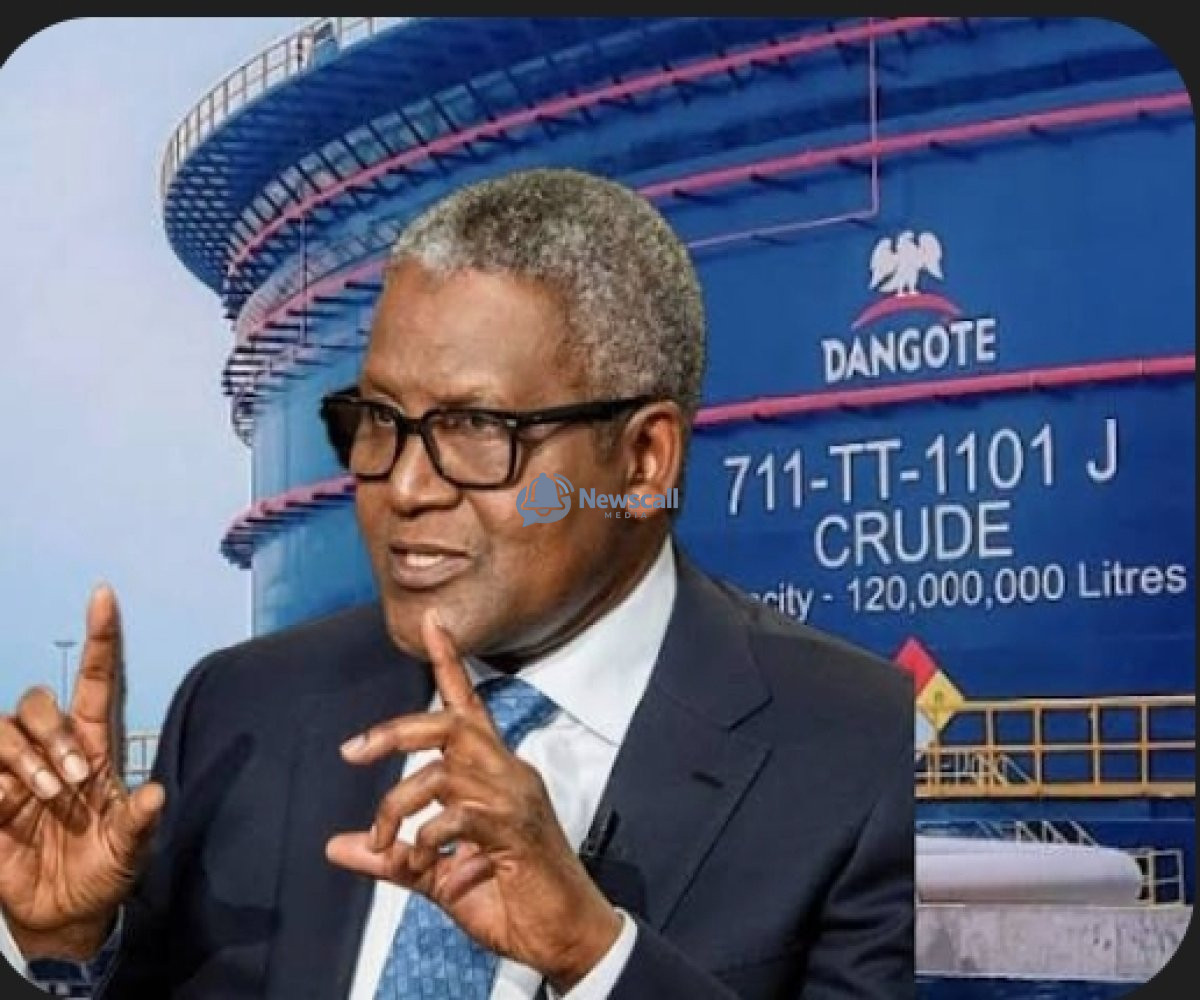
NEWSCALL reports that a drop in the gantry price of Dangote Refinery petrol and depot owners has led to retail pump prices being reduced to between N1150 and N1299 per litre in Abuja and its environs. However, Nigerians and the federal government had demanded a further cut in fuel prices.

Ngele Chigbogu Wisdom
Replace with your Bio