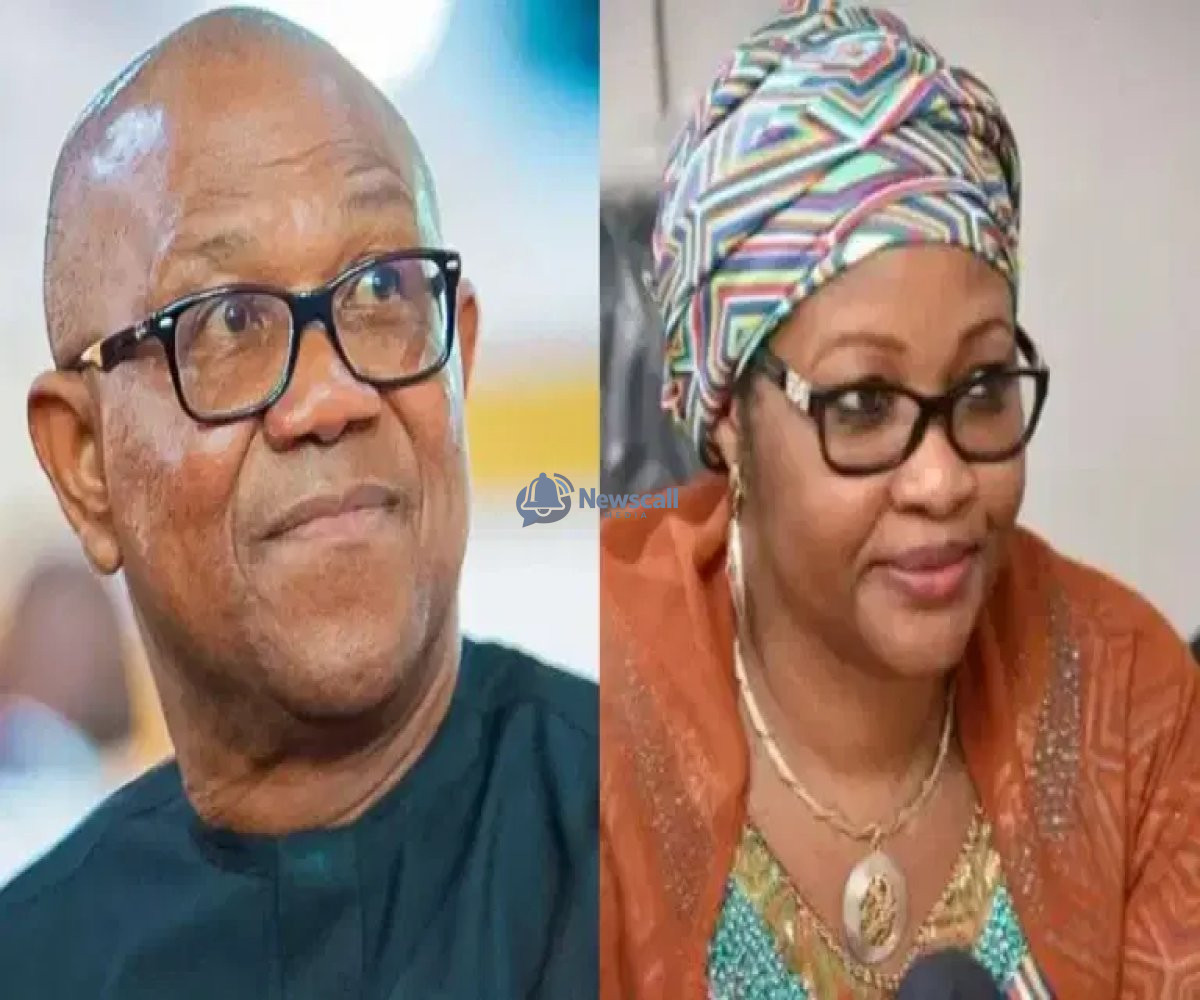
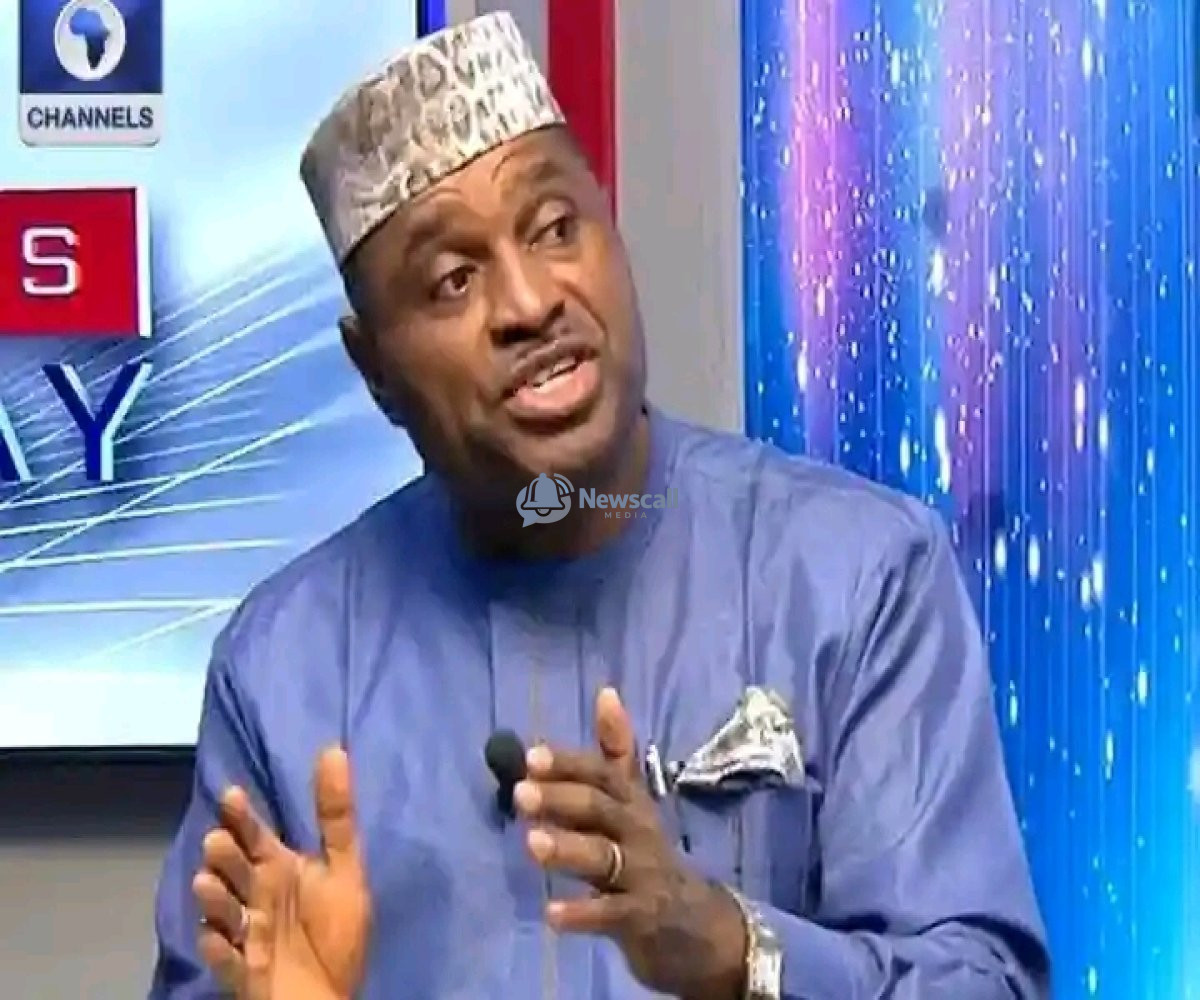
The Tragic Comedian: Kenneth Okonkwo and the Politics of Shame.
There are moments in life when the universe hands you a spectacle so bizarre that you are forced to sit back, rub your eyes, and ask the deep, unsettling questions that keep you awake long after the football matches have ended.
Last night, I watched two African nations battle it out on the pitch raw energy, patriotism, and sweat. Early this morning, I watched people’s goats deliver their young with less drama than a Nollywood premiere. And yet, my own goat is still undecided—either she will give birth or she will give me “shalaye” (that infamous Igbo phrase for a long, evasive, meaningless explanation). In that moment of anxious waiting, my mind wandered not to the goat, but to Kenneth Okonkwo.
And I asked myself: What kind of man is this?
Not in a rhetorical, poetic sense. I mean it literally. What philosophical scaffolding holds up a man who has spent decades in the public eye, only to now orbit the political sun like a confused satellite? Does he have any shame left? Is there a single ideological bone in his body that he would be proud to pass down to his children? Or has ideology become a luxury he traded for a seat at a table that doesn't even have his name on it?
Let’s break it down, because the mathematics of Kenneth’s political choices are as baffling as the offside rule.
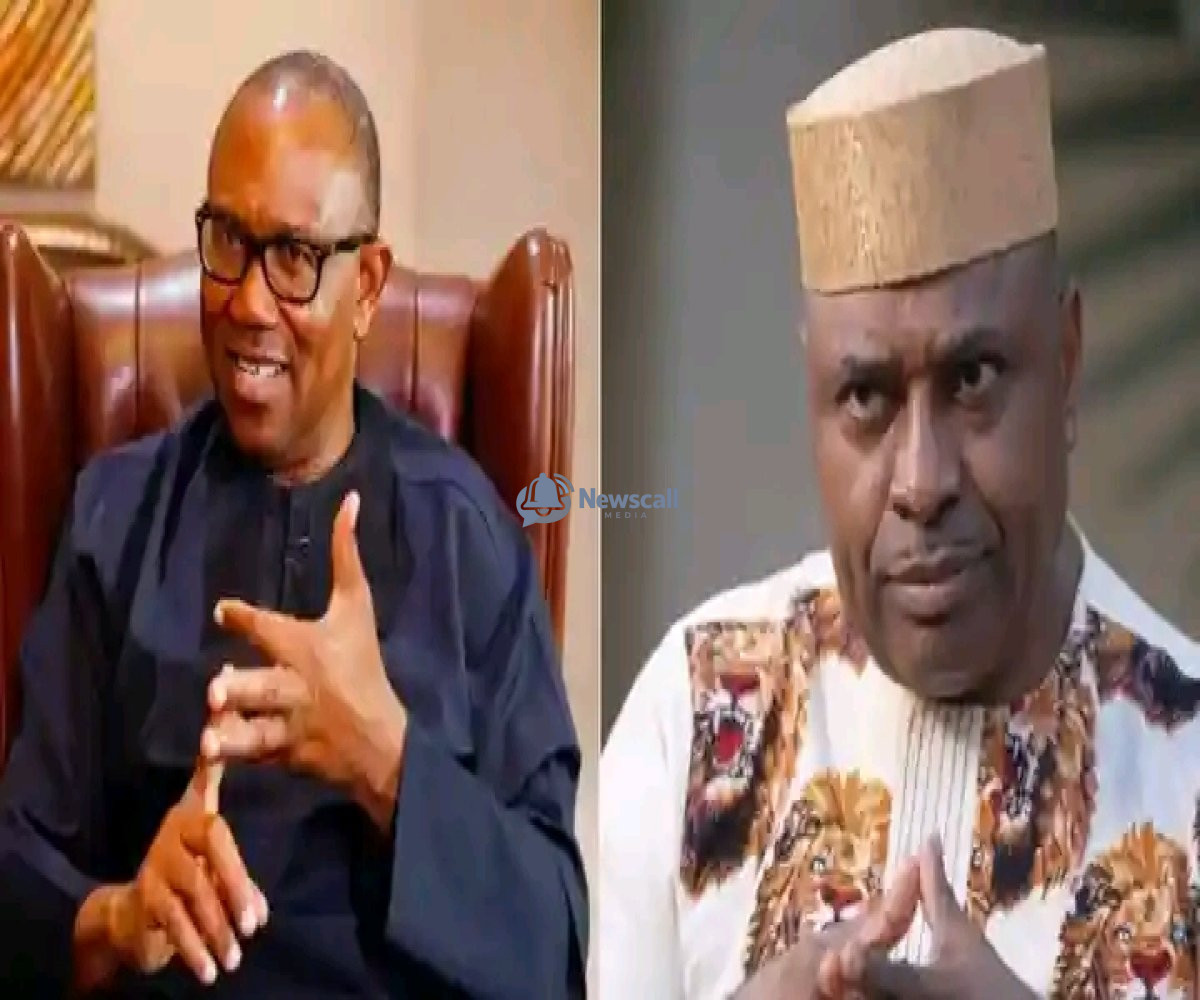
You are a man from the South-East. Your tribesman Peter Obi is contesting for the presidential seat of the Federal Republic of Nigeria. This is not a minor election. This is the big chair. The one that comes with the presidential jet, the Aso Rock villa, and the constitutional power to shape the destiny of over 200 million people. For the first time in modern Nigerian history, an Igbo man with a real chance is flying that flag.
And what does Kenneth Okonkwo do? He turns his back and supports another tribesman but only as a vice presidential candidate. Not the pilot. Just the co-pilot. The understudy. The spare tyre.
Let that sink in.
He would rather see his kinsman as number two to a northern presidential candidate than support his own kinsman as number one. In what universe does that make strategic, ethnic, or even sentimental sense? If the goal is Igbo representation, why settle for the deputy’s table when the presidential seat is within reach? If the goal is competence, why not rally behind the man who has consistently shown fiscal discipline and governance track record?
It gets worse.
Now that Atiku Abubakar has picked Senator Amaechi (not the Rotimi we know, but the political chess piece in this drama) and Kenneth has resigned from whatever role he was playing, the question screams louder than a market woman at noon: What is his fate now?
Does he think politics is a scripted stage play, where you can exit in Act Two and reappear in Act Four with a standing ovation? In Nollywood, yes. In real life, no. Resignations in politics are not dramatic flourishes; they are tombstones unless you have a backup plan. And from where I sit, Kenneth's backup plan looks as solid as a paper umbrella in a hurricane.
But here is the real dagger.
For weeks no, months Kenneth Okonkwo has been shouting and moaning on television about Peter Obi. He has accused Obi of lacking "fight." He has painted the Labour Party candidate as a man without the stomach for the political trenches. He has shed crocodile tears over Obi’s supposed timidity.
Fine. Let’s assume he is right (which he isn’t, but let’s play along).
If Peter Obi lacks fight, why didn’t Kenneth stay inside the tent and fight for an Igbo man to be adopted as the vice presidential candidate? Why didn’t he use his political savvy, his decades of experience, his media connections, and his Nollywood trained voice to push Amaechi out and force the presidential candidate to pick an Igbo running mate?
That would have been strategy. That would have been ideology. That would have been something worth passing down to his children: “My son, I fought for our people even when I was outnumbered.”
Instead, he chose the path of least resistance. He chose the comfortable exit. He chose to be a spectator in a game he claimed to have mastered.
And now, with his resignation and his wandering political soul, he stands as a cautionary tale not of betrayal, but of confusion. A man who mistook proximity to power for power itself. A man who forgot that in politics, as in life, you are judged not by whose car you ride in, but by whose flag you raise when the storm comes.
So I return to my goat. At least she is honest. She will either deliver or give me shalaye. Either way, I know where I stand with her.
With Kenneth Okonkwo, I am not so sure. And that, dear reader, is the tragedy of a man who has become a riddle wrapped in a resignation letter.

Umeanozie Prosper
Writer, Novelist,blogger, content creator