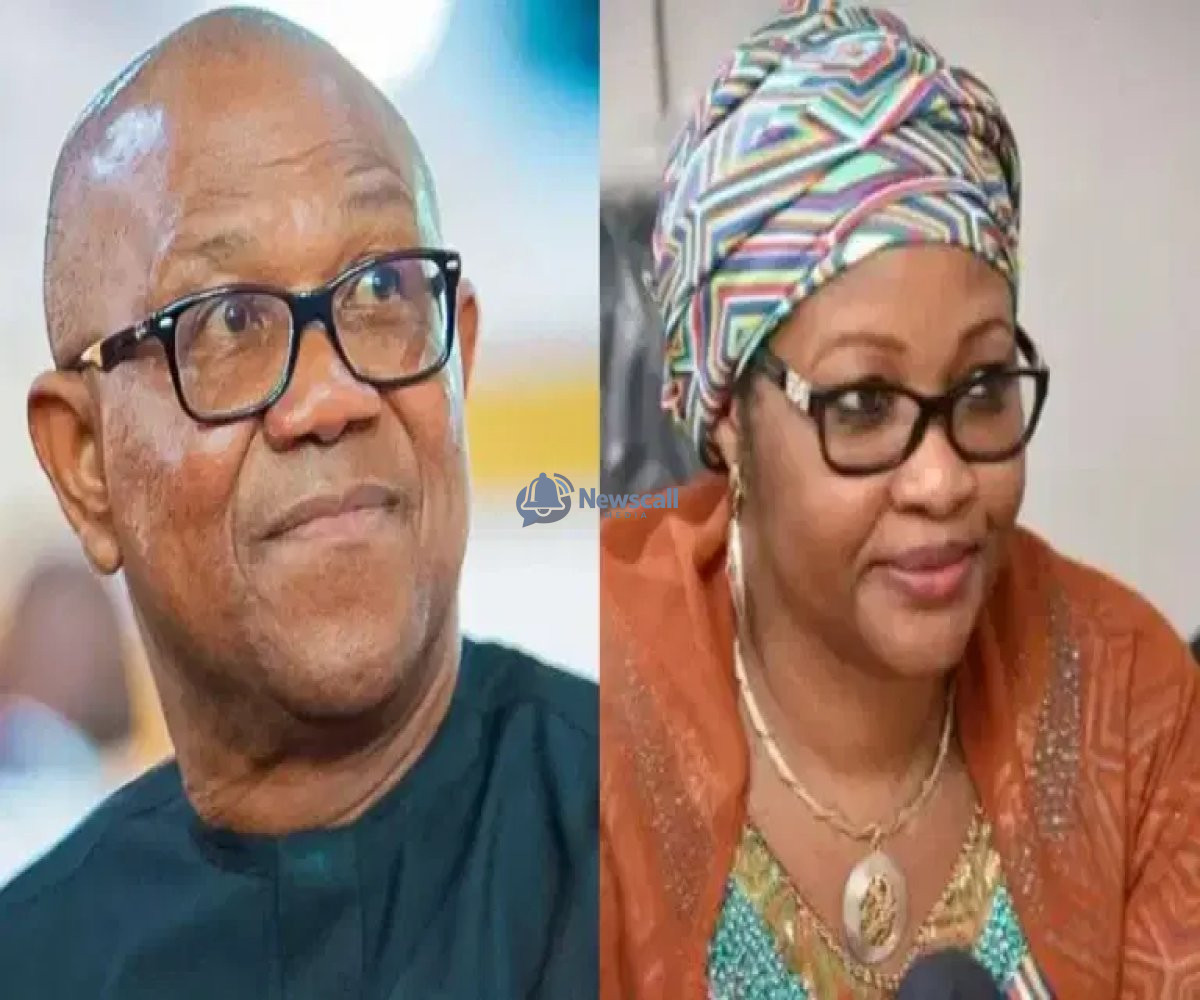


2027 Election: Nigerian Opposition Parties Begin Unity Talks Amid Internal Factional Disputes.
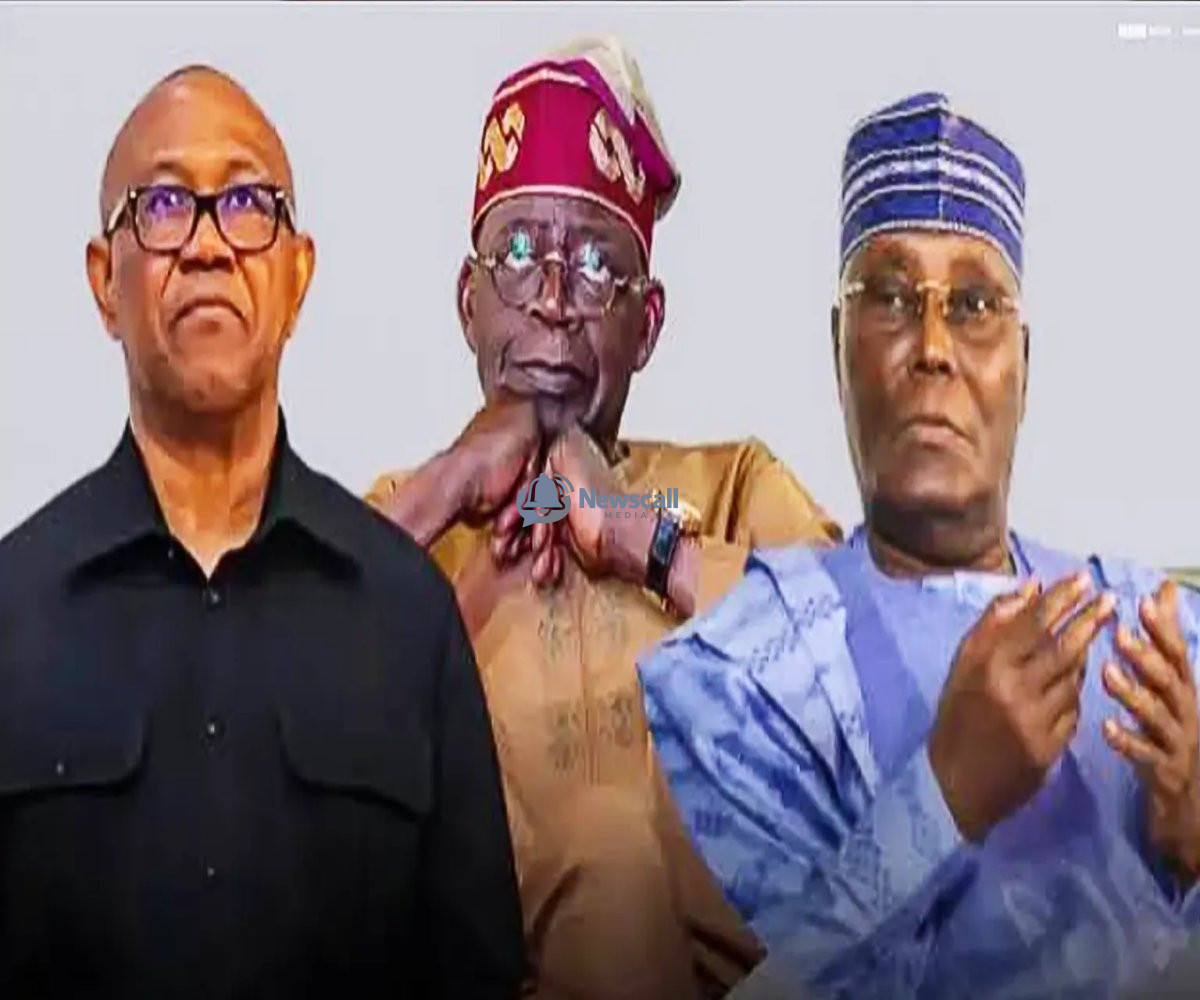
Opposition Leaders Lay Groundwork for Single Candidate as ADC Faction Rejects Atiku.
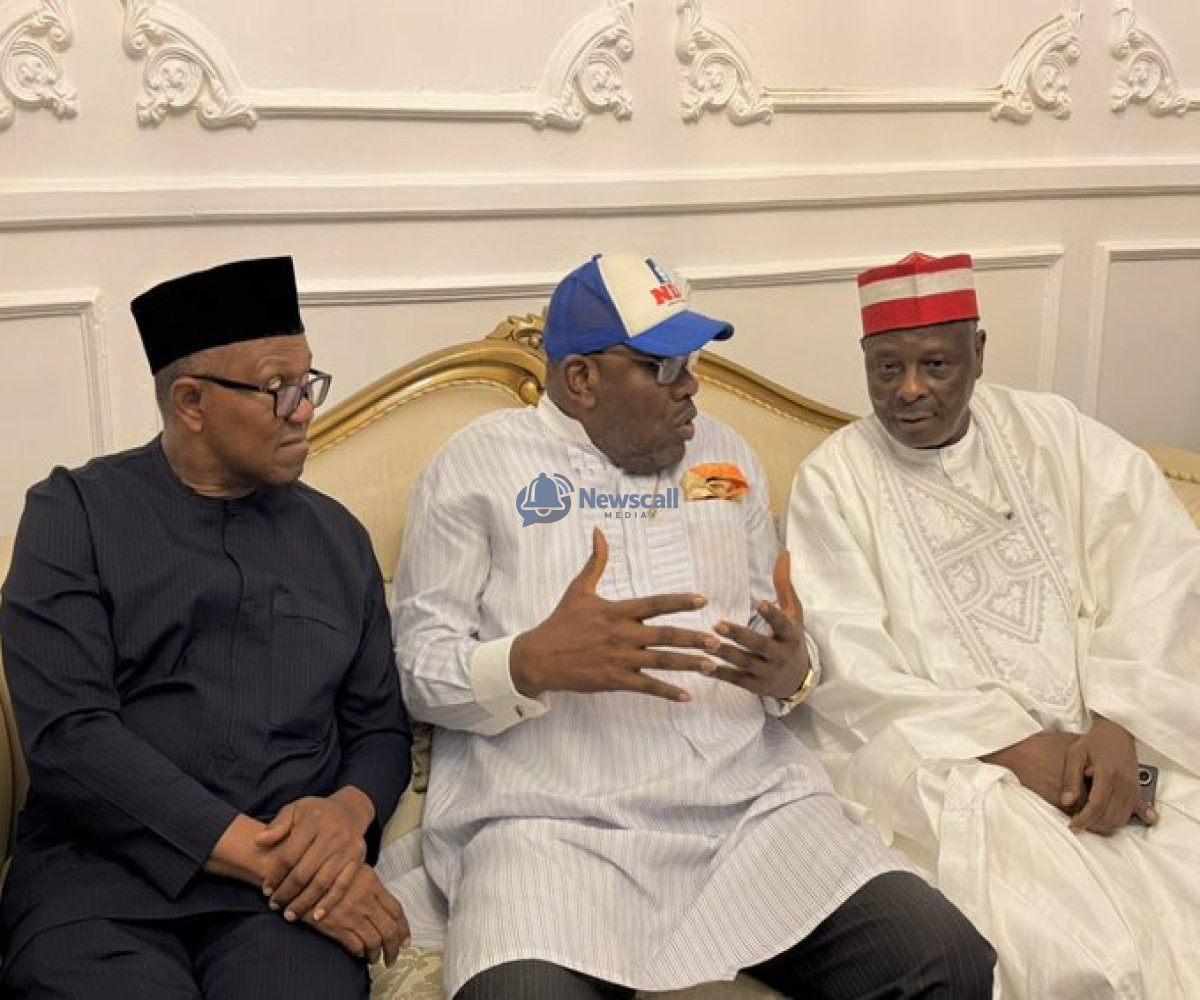
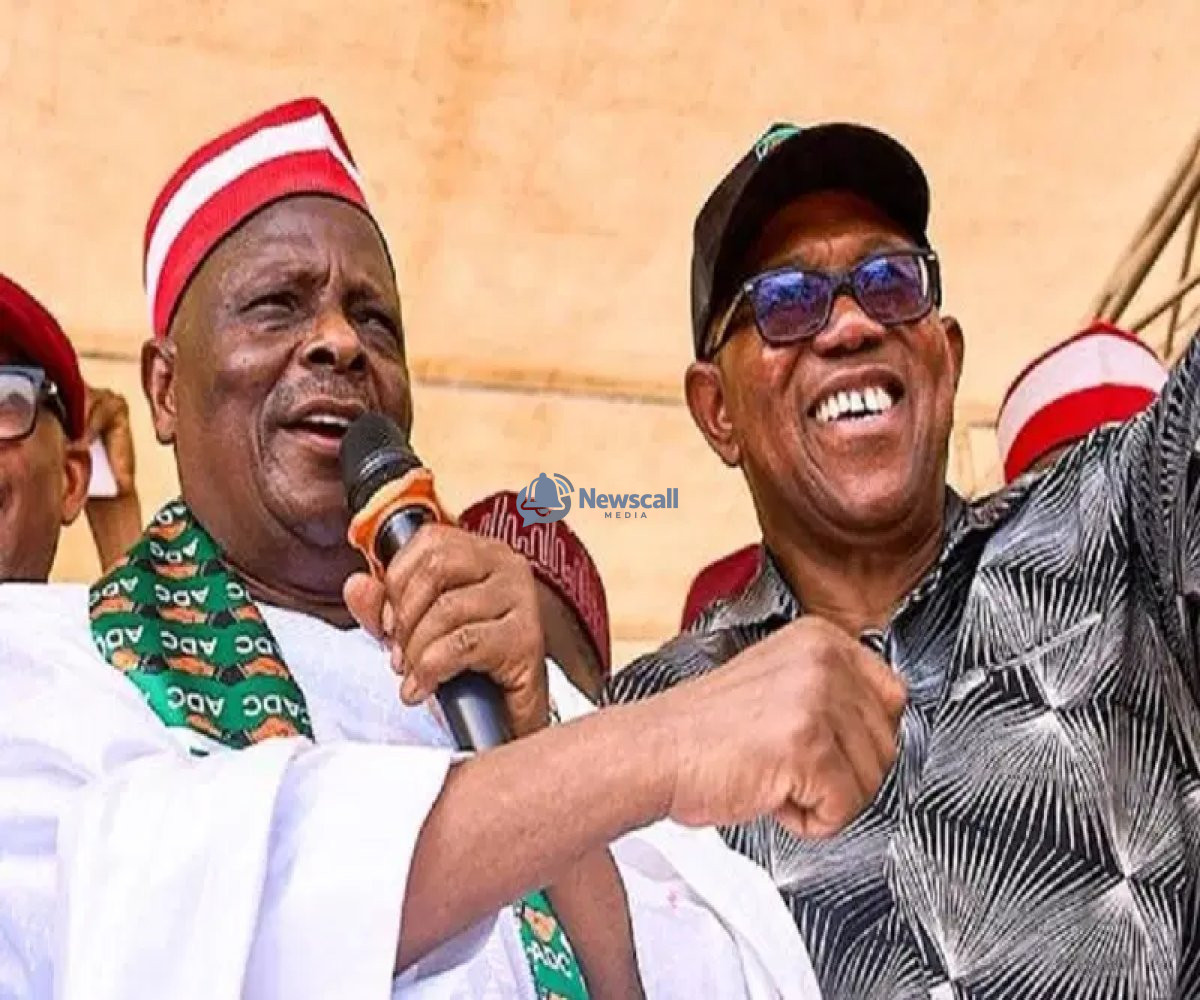
In a significant political development, Nigeria's opposition parties have initiated formal discussions to present a unified front against the ruling All Progressives Congress (APC) in the 2027 presidential election. However, the coalition building effort has already encountered turbulence, with a faction of the African Democratic Congress (ADC) publicly distancing itself from former Vice President Atiku Abubakar.
The Push for Unity:
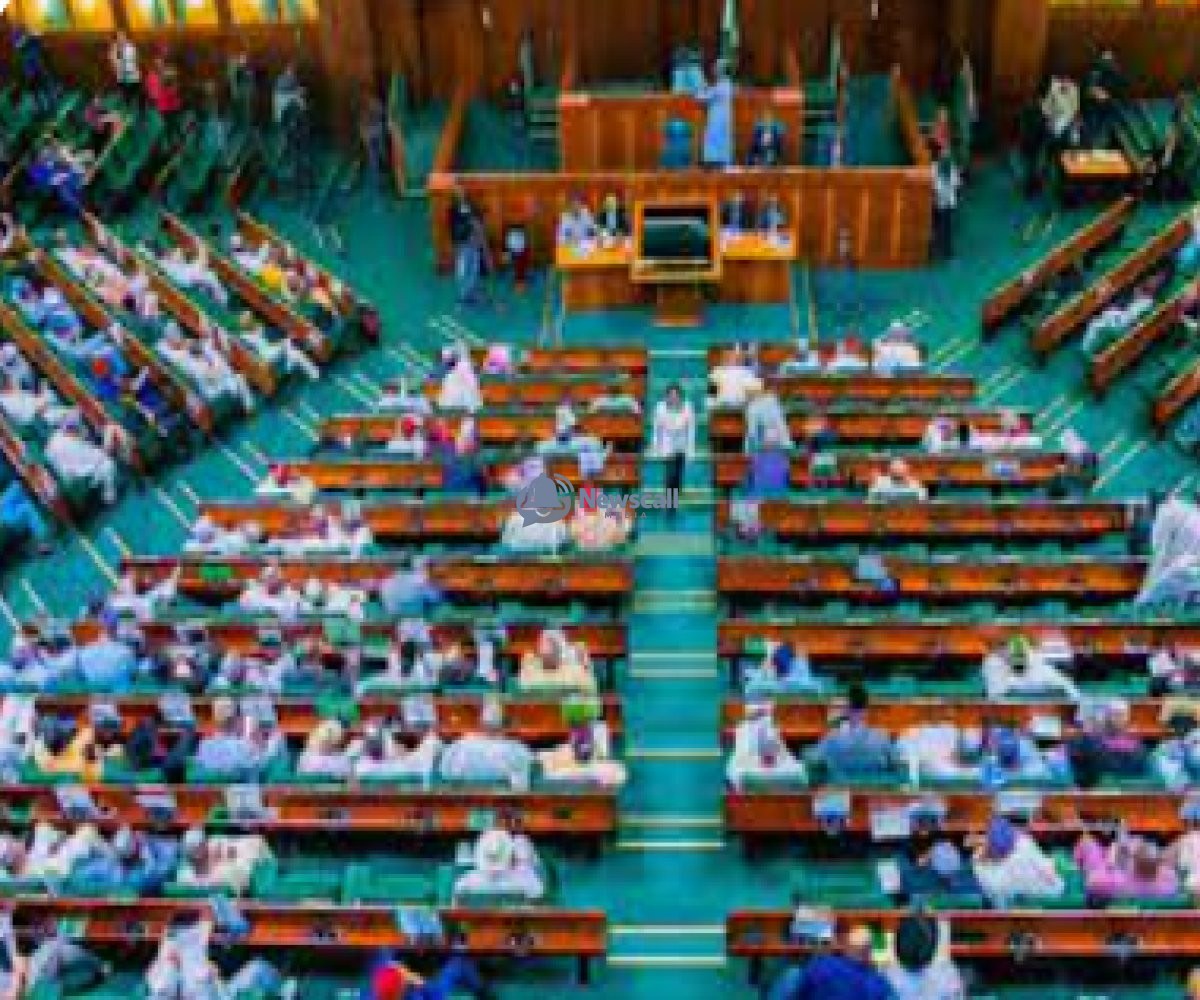
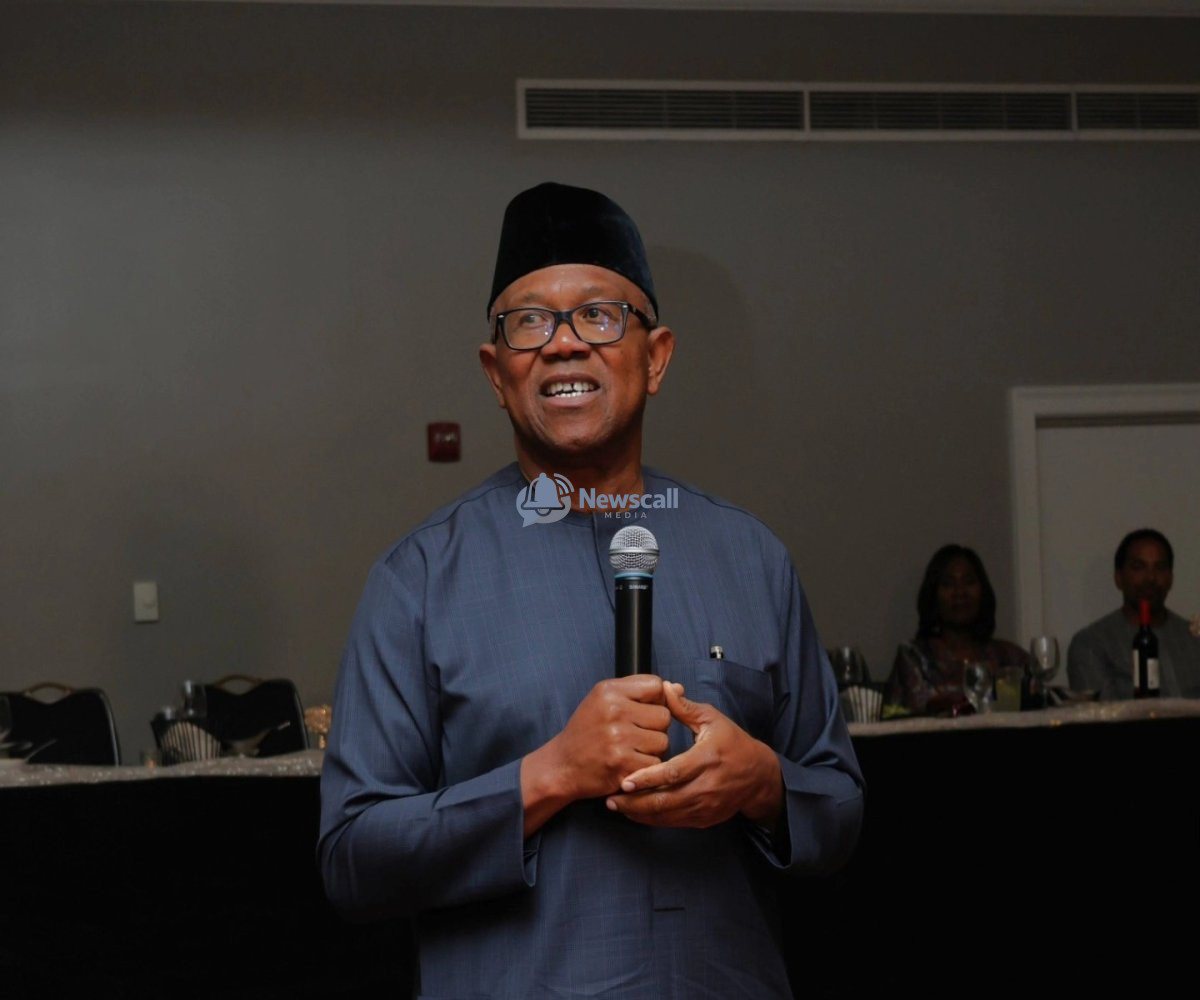
At a summit organized by the G100 political group and the House of Representatives Minority Caucus in Abuja, representatives from multiple opposition parties including the PDP, SDP, PRP, and ADC gathered to explore forming a common platform. The meeting, held at the Shehu Musa Yar'Adua Centre, saw prominent figures like former Cross River Governor Donald Duke and PRP Chairman Hakeem Baba-Ahmed endorsing the initiative.
Salihu Mohammed Lukman, leader of the G100, emphasized that previous opposition failures stemmed from prioritizing personalities over structures. "Rules before outcomes. Table before seats," he declared, calling for a written, enforceable agreement that would survive political shifts.
A Four-Year Transition Plan:
The coalition proposes an ambitious framework:
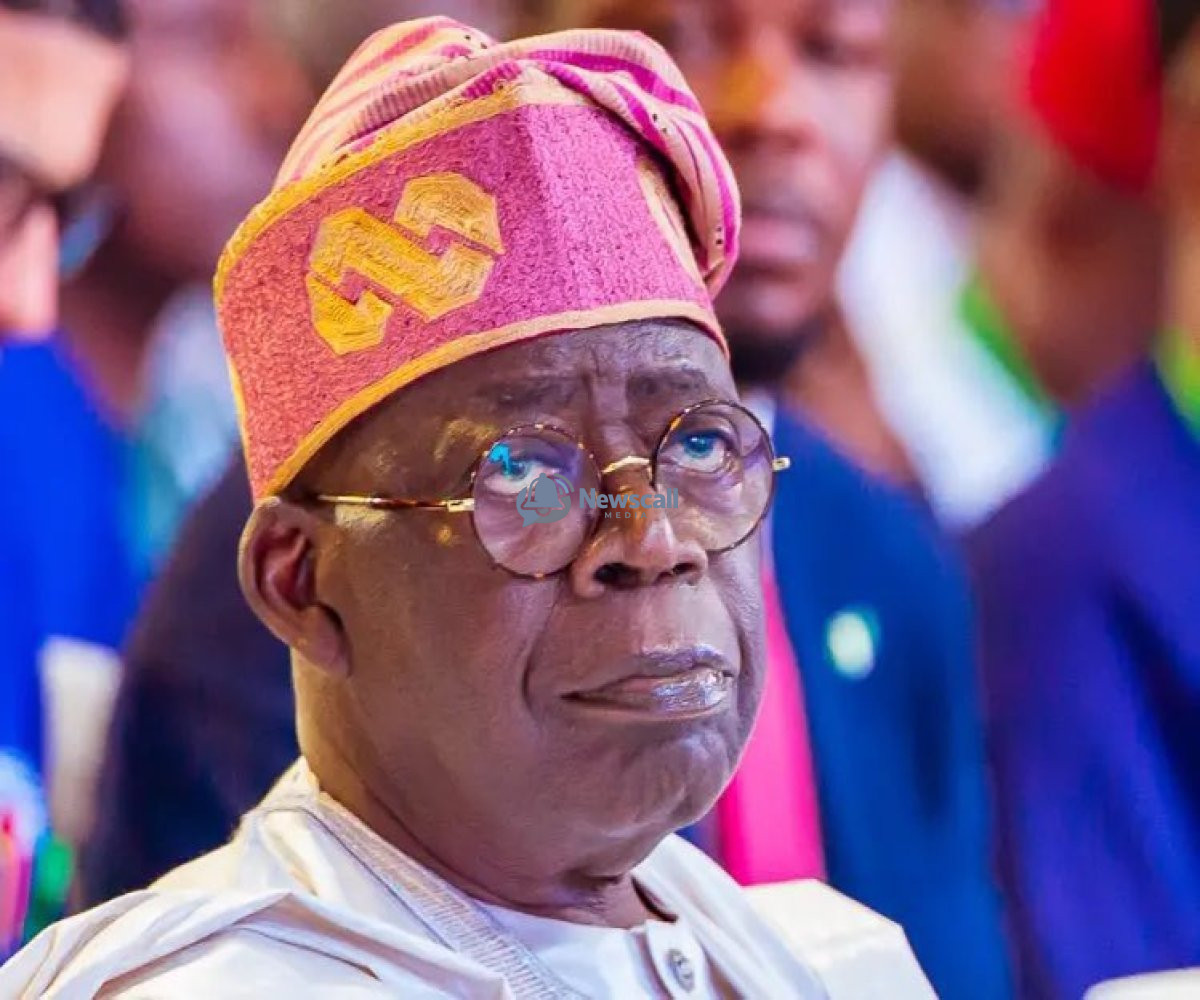
· A single presidential candidate to challenge President Bola Tinubu
· A four year transition government with defined limitations and safeguards
· A National Reset Programme focused on competence and national inclusion
· Five working groups to draft unity documents within four weeks
Minority Leader Frederick Agbedi captured the urgency: "Nigeria is in pain. Nigeria is suffering. If we are united, what the APC did in 2015, we can repeat it."
Opposition Leaders Speak Out:
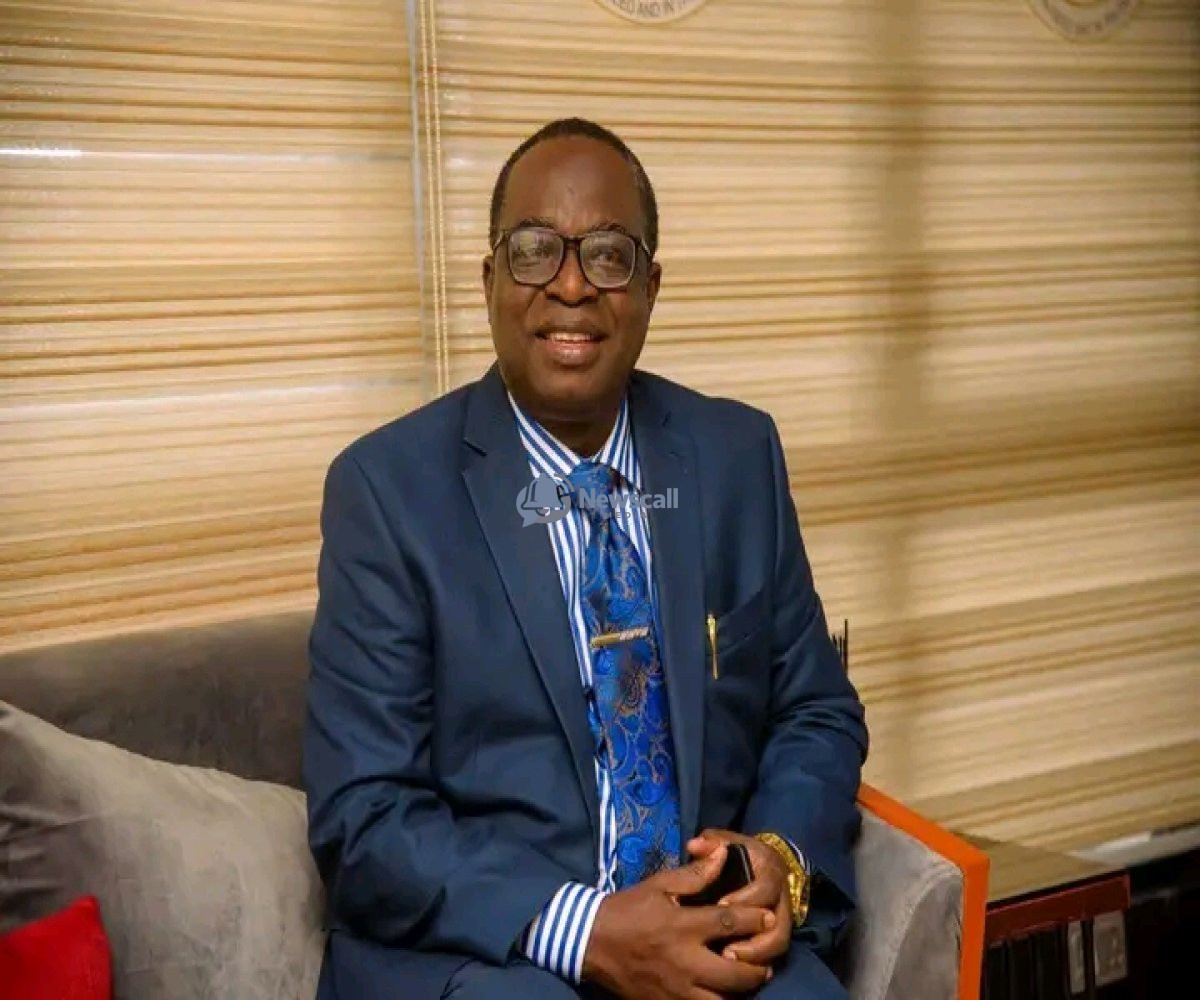
Donald Duke, who participated in the summit, described President Tinubu as a "stubborn politician" but stressed that unity is essential. He pointed out that opposition candidates collectively secured enough votes in 2023 to defeat the APC if only they had run as one force.
"The opposition has the numbers," Duke said. "But we must protect our votes and anticipate challenges before election day, not after."
Moses Olusoji, presidential candidate of the DLA, highlighted the "silent majority" millions of eligible Nigerians who stayed home in 2023 as a potentially decisive voting bloc.
ADC Faction Rejects Coalition and Atiku:
In a dramatic countermove, the Nafiu Bala Gombe-led faction of the ADC issued a strong statement rejecting any alliance or merger. The faction:
· Disowned Atiku Abubakar as the party's presidential candidate
· Warned that further unauthorized use of the ADC name would have "legal and political consequences"
· Condemned Atiku's legal actions against President Tinubu in foreign courts as "unpatriotic, shameful, and a direct affront to Nigeria's national security"
· Declared the ADC would contest 2027 independently
"The African Democratic Congress is not and will not be in any alliance, merger, or coalition with any political party ahead of the 2027 elections," the statement read firmly.
Challenges Ahead:
Despite the summit's optimistic tone, significant hurdles remain:
Personal ambitions threaten to derail consensus. As Lukman warned: "Someone in this hall will have to accept an outcome he/she did not want. That is what unity is."
Ideological vagueness plagues Nigerian parties, with politicians often switching platforms based on convenience rather than principle.
Internal party conflicts like the ADC factional dispute could undermine broader coalition efforts.
Trust deficits between parties raise questions about whether written agreements will hold when electoral stakes rise.
The Stakes for 2027
With President Tinubu's administration facing mounting public frustration over economic hardship, opposition leaders sense an opportunity reminiscent of 2015, when a united front unseated an incumbent.
But as Duke cautioned: "The issue with Tinubu is governance, not politics. He is a formidable politician. We need more than numbers we need structures and strategy."
The coming weeks will be critical as working groups prepare documents for a second summit. Whether opposition parties can overcome internal divisions and personal ambitions to present a credible alternative remains Nigeria's most pressing political question.
What's Next? The five working groups have four weeks to produce unity framework documents. A second summit will determine whether the coalition moves forward or fragments like previous attempts.

Umeanozie Prosper
Writer, Novelist,blogger, content creator