Ten Easy Steps to Preparing the Unbeatable African Salad
We all are used to the English salad making, coleslaw, the one we usually make by putting in our choice vegetables into a bowl, eating it like that, or mixing with mayonnaise.
Show me an easy to make, local delicacy that beats the abacha.
Ladies and gentlemen, I present to you, a unique and different kind of salad, the African salad.
You may wonder why the title “African” and what makes it so unique join me as I take you on a tour to discovering the uniqueness of this recipe.
It is called African, because this recipe originated from Africa, Nigeria in particular, and is majorly credited to the Igbo speaking tribe of the country, the states belonging to this tribe are Enugu state, Anambara state, Abia State, Imo state, and Ebonyi state.
So whenever you find yourself in any of these places, do well to visit a local joint and order yourself this healthy and amazing dish.
The African salad, or as it is popularly called in Nigeria “Abacha” results from a combination of local spices and palm oil.
Let’s get into the process proper.
Starting off with the ingredients, you need to visit a local market, to have easy access to the ingredients I’m about to list.
If you live in the eastern part on Nigeria, congrats, you’re in luck, coz there is easier accessibility to the ingredients there.
First and foremost, you need the most primary ingredient, which is the abacha itself, or in English, “Cassava flakes”.
Secondly, you need palm oil.
Other ingredients include;
- Crayfish
- Smoked fish (for protein)
- Scotch bonnet pepper (blended)
- Garden eggs( diced)
- Utazi leaf
- Onions (diced or sliced) Do well to separate into two, a small and big portion separately.
- Seasoning cubes
- Salt (to taste)
- Cow skin locally called “Kanda” (for detail)
- Potash locally called “akawu”
- Calabash nutmeg locally called “ehuru”
- African oil bean seed, locally called “ugba or ukpaka”
Mind you, for you to easily purchase and get your ingredients in the market, it is advised that you use the local names suggested beside the last four ingredients.
I believe, just from looking at the ingredients listing you can understand why I had earlier called this kind of salad “unique”, not your regular spinach, cucumber, or carrot kind of salad.
Permit me to chip-in, Top 5 nutritional benefits of consuming this dish, so that it can inflame your passion and curiosity to try it out.
- The consumption of ‘abacha”, African salad provides sustained and steady release of energy to the body.
- It is gluten-free, which makes it an excellent alternative for gluten sensitive individuals.
- African salad serves as a good source of fibre which supports gut health and aids the prevention of constipation.
- Ingredients like ugba, crayfish and smoked fish offer proteinous nutrients that helps muscle repair and growth.
- Provides vitamins and minerals such as vitamin C, potassium, calcium and iron from ingredients like garden egg and utazi.
Now, that we know what we need, it’s time to check out the steps involved to bringing this local delicacy, to life.
Step 1: Do well to soak your abacha in warm water, for about thirty minutes in a bowl, after which you will drain into a sift.
Step 2: Place a pot on the fire(low heat precisely), and pour a good amount of palm oil into the pot, about five table spoons full if you’re preparing a petit self-package, and about ten table spoons full if you plan to make a dish for three.
(Allow the oil to heat for about two minutes)
Step 3: Add a generous amount of crayfish; it’s advisable to blend into chunks or powder, for taste enhancement.
Step 4: Add the bigger portion of your already sliced or diced onions into the pot and stir
Step 5: Add your seasoning cubes, two cube preferably for self-serve, and three for three people’s package.
Step 6: Add a pinch or two of salt to taste, stir and allow simmering for another two minutes.
Step 7: Bring down the earlier made combo, and place a new pan, still on the low heat, put in your already washed cow skin, a seasoning cube, and quarter table spoon of ground potash and calabash nutmeg.
Step 8: Add blended pepper, half a cup of water into the pot, cover and allow everything to simmer for at least four minutes.
When you have crossed this stage, congrats, coz you’re a few steps away from bringing your dish to reality.
Step 9: Mix the new recipe, into the pot of the earlier bleached oil mixture and stir
Step 10: Add your already drained abacha to the combined mixture, add your washed ugba and mix very passionately, either with thoroughly washed hands, or a cooking spoon.
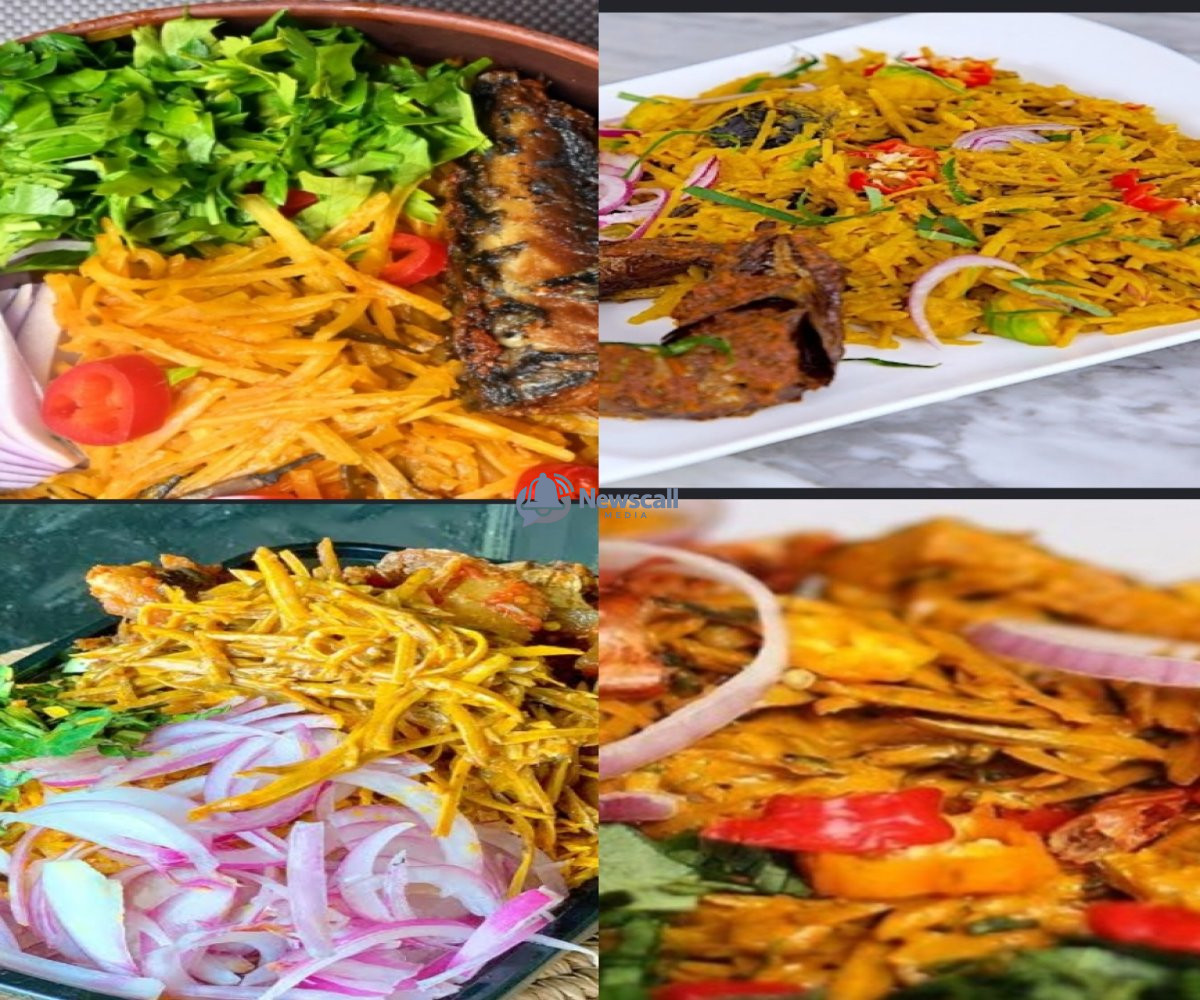
Voila, the long awaited African salad is brought to life, for the remaining ingredients, such as the diced garden egg, well-washed smoke fish, utazi, and the remains of the onions; they will be added to the side of the dish, to be eaten alongside the abacha, just as shown in the image below.
Finally, before I say “bon-appetite” this delicacy can be eaten alongsid
e, fresh palm wine for digestion.
Now, Bon-apetit!!!

Priscilla Uzobuenyi
Hey 👋 Feeling stuck trying to build your character, or just keep up with life without feeling overwhelmed? Maybe you...