

Imo State Makes History with First Robotic-Assisted Surgery in Owerri.
Governor Uzodimma Unveils Revolutionary Healthcare Milestone as State Embraces Cutting Edge Medical Technology
In a landmark development that signals a new era for healthcare in southeastern Nigeria, Imo State is set to perform its first robotic-assisted surgery this Friday at the newly established Imo Robotics and Oncology Centre (IROC). The historic procedure, which will take place at the reconstructed Imo Specialist Hospital in Umuguma, Owerri West Local Government Area, represents a significant leap forward in the state's medical capabilities.
Governor Hope Uzodimma, speaking to journalists at the Government House in Owerri, described the initiative as a testament to his administration's commitment to transforming healthcare delivery through strategic investments in modern infrastructure and cutting-edge medical technology. "This is not just about acquiring equipment," the governor emphasized. "It's about fundamentally changing how healthcare is delivered in Imo State and ensuring our people no longer have to travel thousands of kilometers for complex medical procedures."
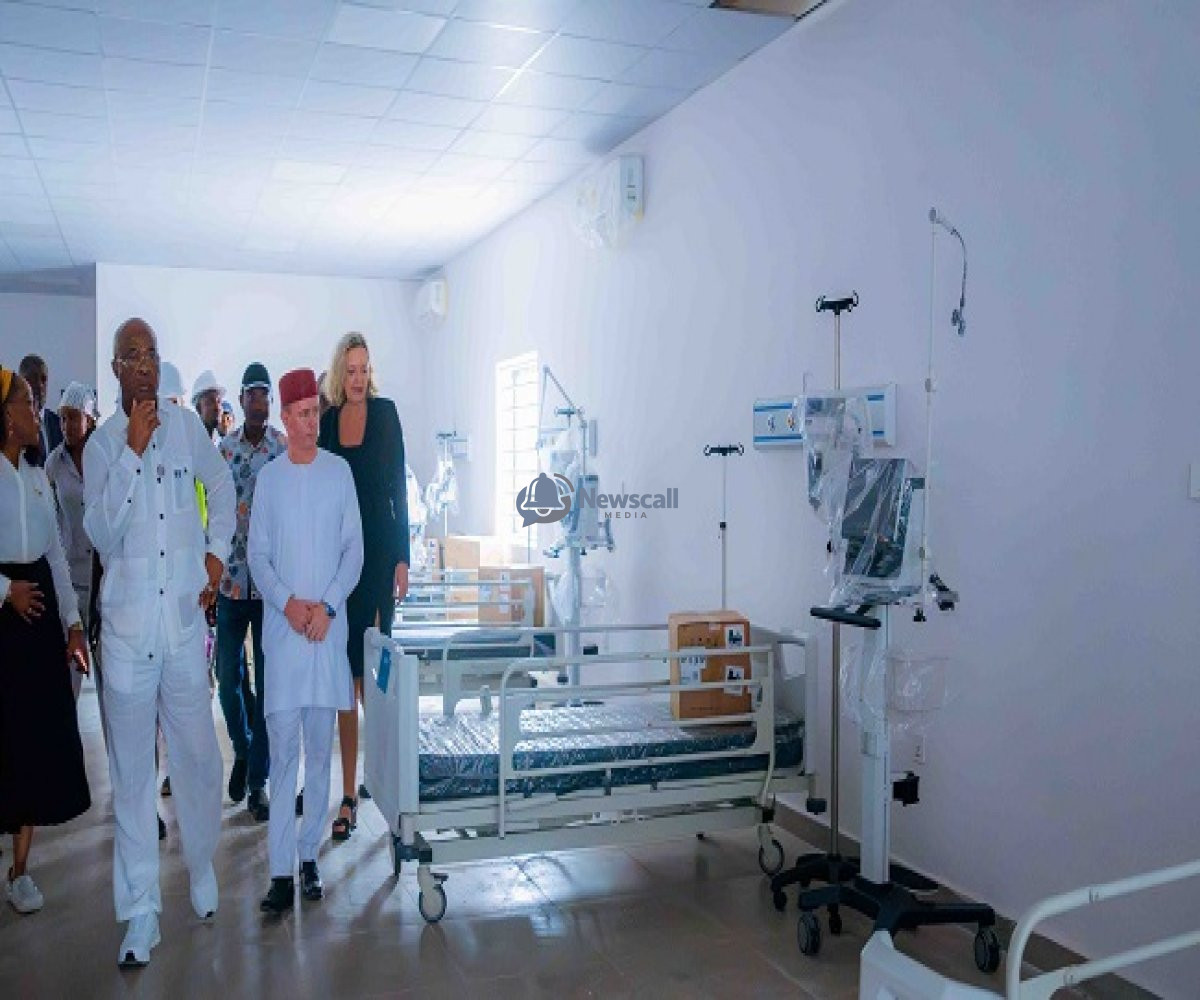
The reconstruction of the Imo Specialist Hospital was conceived as a comprehensive healthcare transformation project, designed to position the state as a medical hub capable of handling complex cases that previously required patients to seek treatment in Lagos or even abroad. The facility now boasts a modern accident and emergency section, intensive care units, neonatal intensive care facilities, dedicated operating theatres, and sophisticated medical oxygen infrastructure. Additionally, the hospital offers diagnostic services, maternity and paediatric facilities, physiotherapy services, mental health support, and specialized wards.
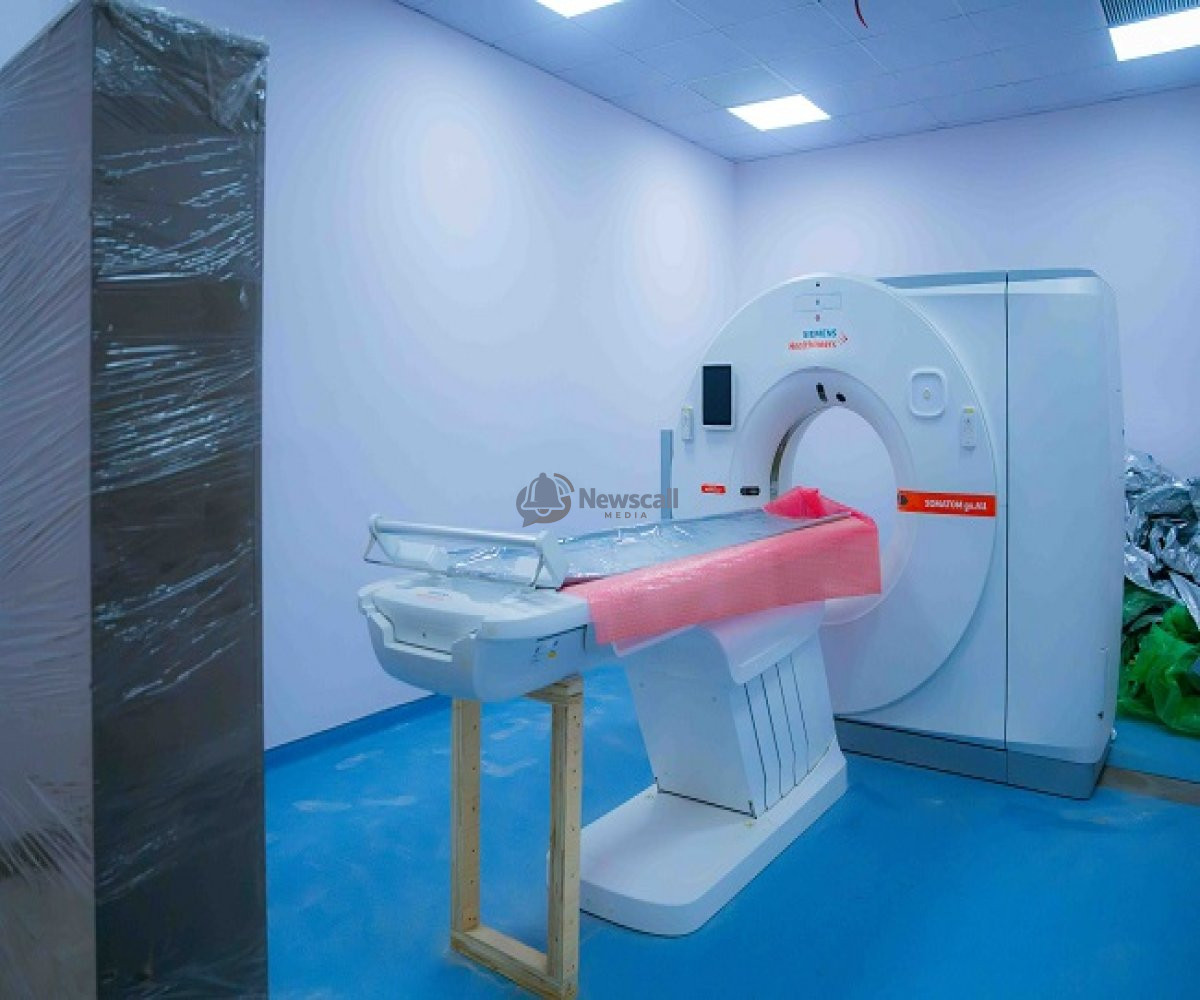
The robotic surgical system has already been installed, with the theatre fully prepared for clinical use. The first procedure will be led by Professor Kingsley Ekwueme, a UK-based Consultant Robotic and Laparoscopic Surgeon, working alongside local medical professionals. This partnership arrangement is designed not only to facilitate the immediate use of the technology but also to ensure knowledge transfer and skills development among Imo's healthcare personnel.
Robotic-assisted surgery offers numerous advantages over traditional surgical methods. The technology provides surgeons with enhanced precision and control during procedures, enables minimally invasive operations, reduces blood loss, and significantly shortens patients' recovery time. For residents who have historically faced the financial, logistical, and emotional burden of traveling outside the state for specialist treatment, this development brings advanced healthcare closer to home.
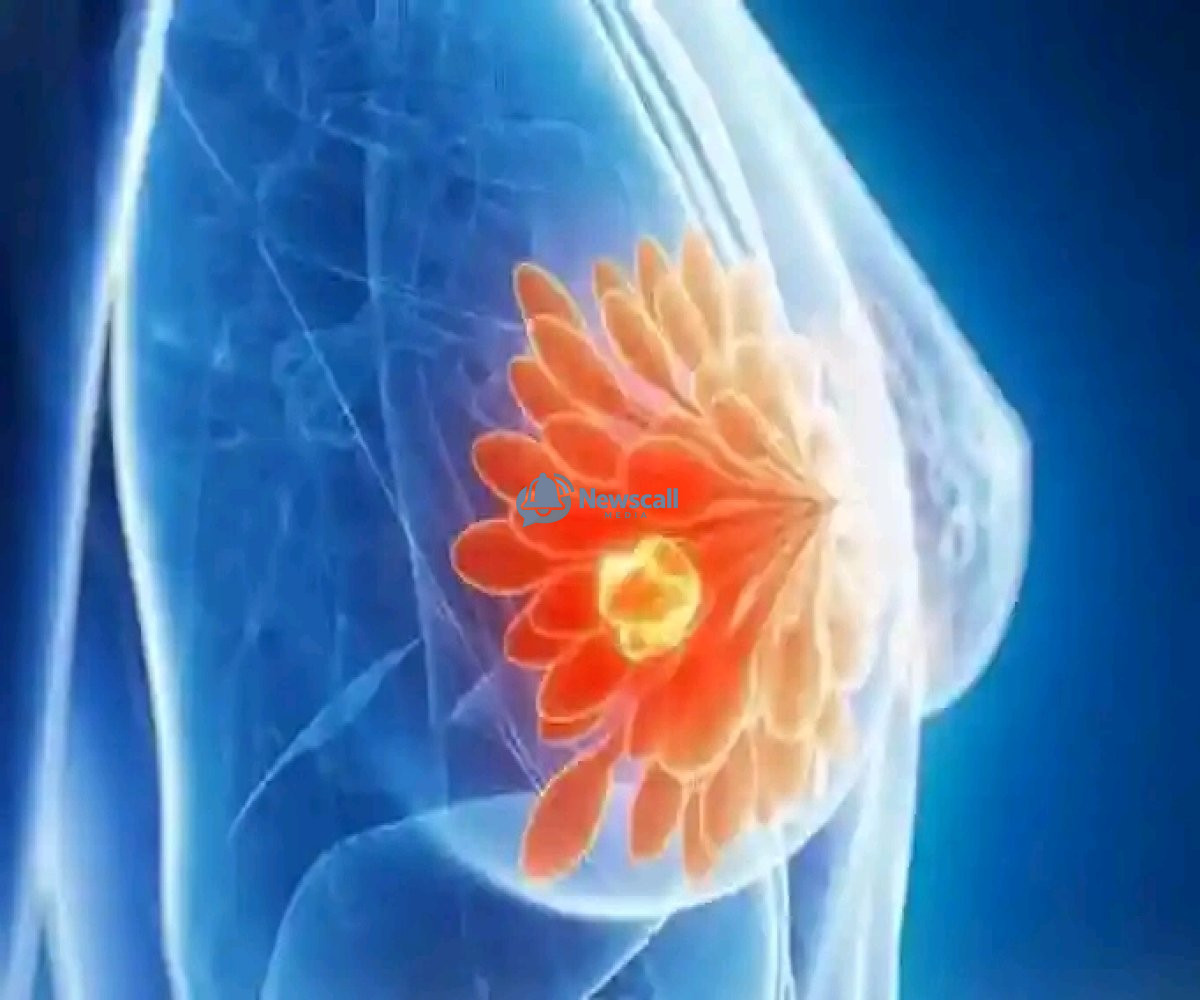
The state's commitment to comprehensive healthcare extends beyond surgery. The oncology centre is expected to strengthen cancer diagnosis and treatment capabilities, with advanced diagnostic facilities including MRI, CT scans, mammography, and X-ray services already being installed. The integration of these services creates a holistic environment where diagnosis, treatment, surgery, and follow-up care can be provided under one roof.
To ensure uninterrupted operations, the facility will have an internal medical oxygen production system and a hybrid power solution. The governor also highlighted the role of the Imo State Health Insurance Scheme in making these services accessible to residents across different social groups, ensuring that quality healthcare is not limited to those who can afford it.
Governor Uzodimma emphasized that this milestone should be viewed as the beginning of a broader healthcare transformation, not an end in itself. The success of the initiative, he noted, will ultimately be measured by the number of patients treated, skills transferred, specialists developed, and lives improved.
As Imo State prepares for this historic first procedure, residents and healthcare professionals alike are optimistic about the future of medical care in the region. The development represents a significant step toward restoring public confidence in the capacity of healthcare institutions within the state and ensuring that advanced medical care is accessible to all who need it.

Umeanozie Prosper
Writer, Novelist,blogger, content creator