

She Sold Beans. They Blamed Her for the Bloodshed.
When a senator's response to kidnapping turns a grieving community's trauma into a lesson in suspicion, we must ask — who is really failing whom?
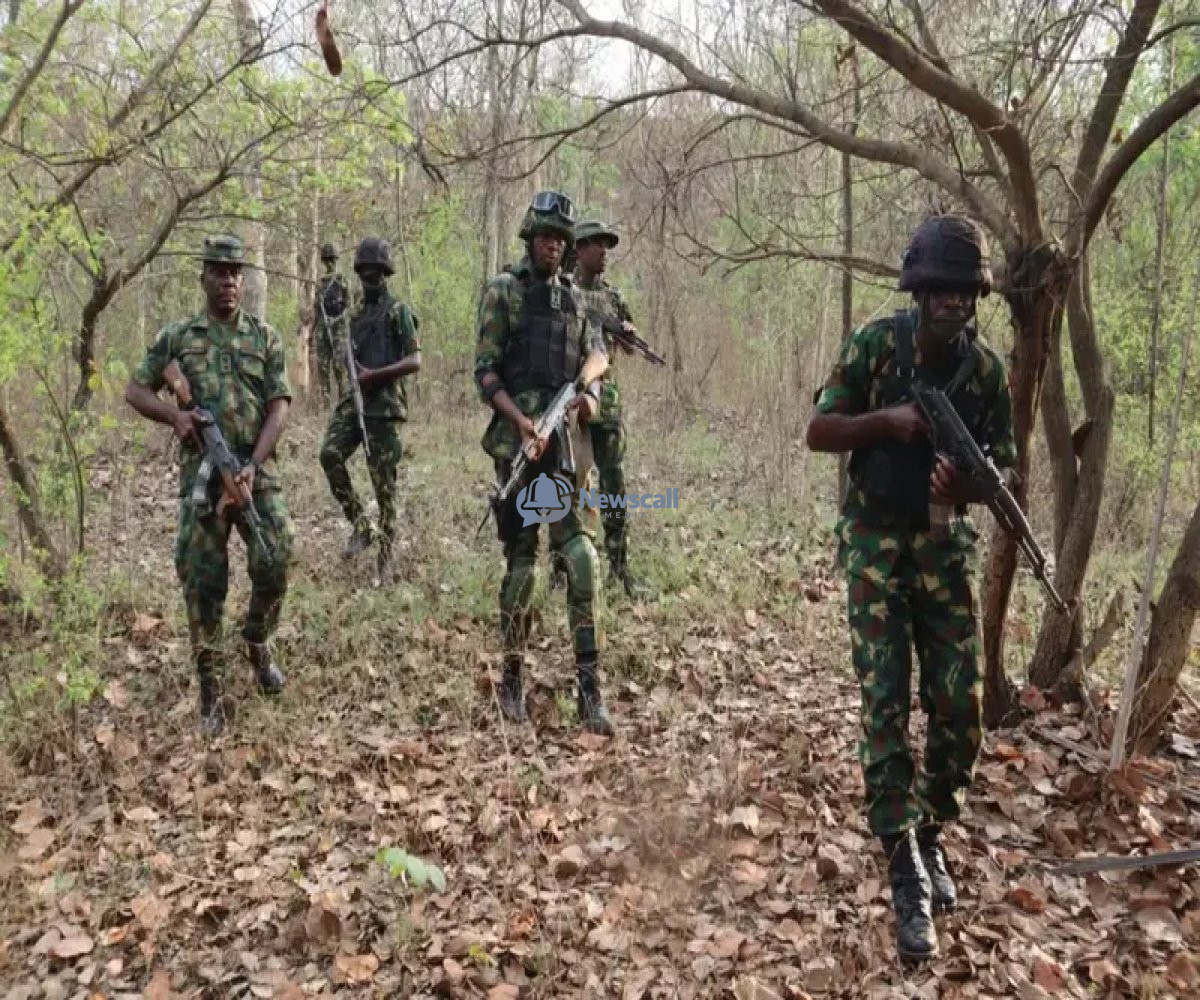
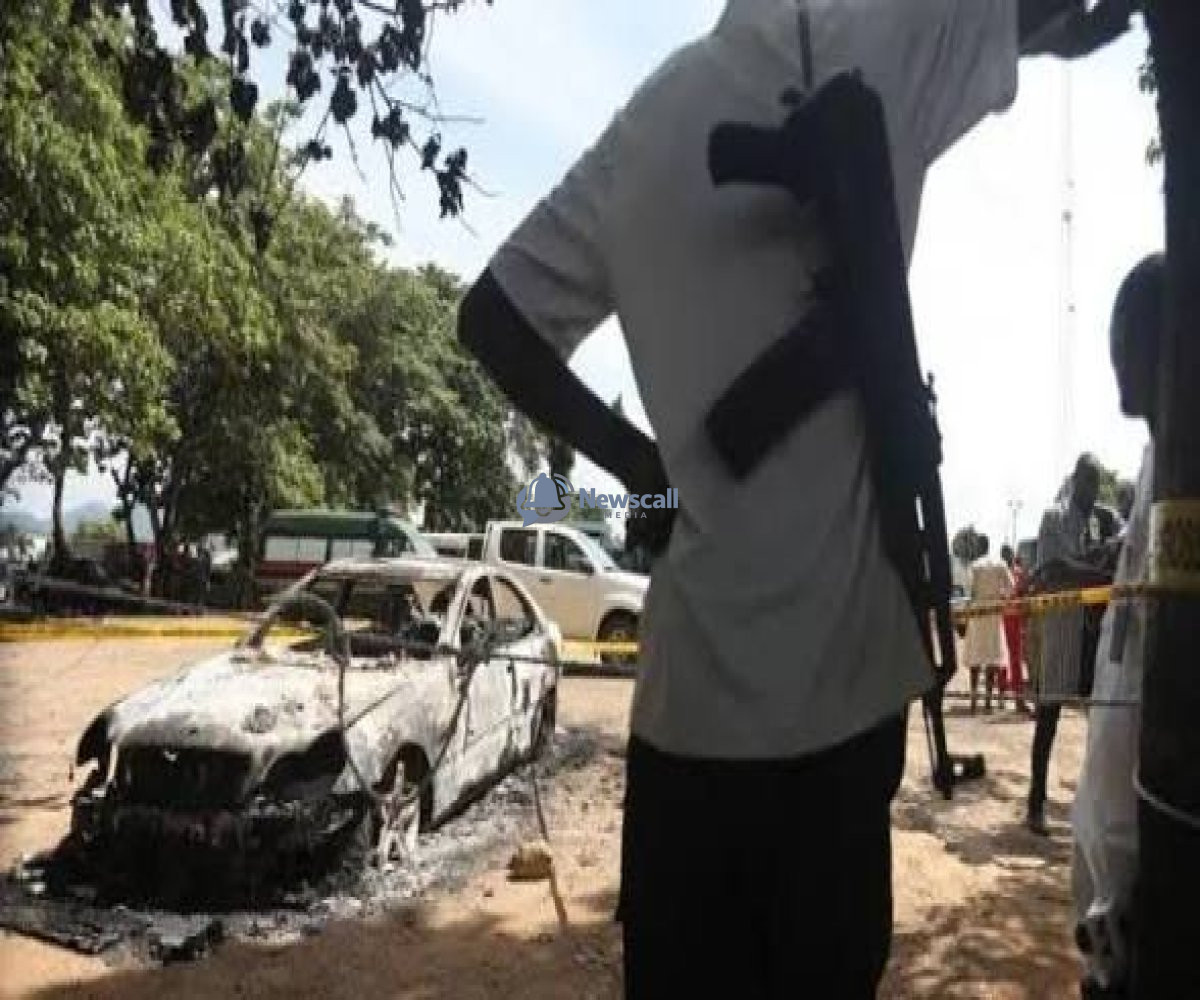
Imagine waking up to the news that children have been snatched from their classrooms in the early hours of the morning. That a vice principal's car — the one he drove to work every day — was found burning at the edge of a forest. That armed men on motorcycles stormed not one, not two, but three schools in Oriire Local Government Area of Oyo State, leaving a community shattered and families in unspeakable anguish.
Now imagine that in the middle of that grief, a senator steps forward — not with comfort, not with a plan, not with accountability — but with a story about a bean seller.
"A woman who usually made about ₦1,000–₦1,500 daily from selling beans and bread suddenly began making ₦10,000–₦20,000. She thought business was booming and did not report the unusual activity to community leaders. Sadly, those spending the money were terrorists conducting surveillance ahead of the attack."
— Sen. Fatai Buhari, on the Oriire attack
The Question That Demands an Answer
Senator Buhari, with all due respect — when terrorists were planning to abduct children from a school in broad daylight, why was the burden of detection placed on a woman selling beans by the roadside?
Where were the intelligence networks? Where was the community liaison policing? Where were the security patrols that should have noticed strangers on motorcycles scouting three separate school locations? Where, Senator, was the government that is constitutionally mandated to protect its citizens — not to outsource that duty to a roadside food vendor?
This woman did not have intelligence training. She had not been briefed on what suspicious spending patterns look like in a pre-attack environment. Nobody taught her that a sudden surge in sales at her small food stall could be a red flag. Nobody. And yet, she is being held up as the cautionary tale — the ordinary citizen whose 'failure to act' is now woven into the narrative of this horror.
The Insensitivity Hidden in Plain Sight
Let us be honest about what Sen. Buhari's statement does — even if unintentionally. It shifts the moral weight of a security failure onto the shoulders of the poorest and most vulnerable. It asks us to look at a woman who earned less than ₦1,500 a day — barely enough to survive in today's Nigeria — and wonder if she is somehow complicit in what happened to those children.
That is not vigilance messaging. That is victim-adjacent blame. And in a country where communities are already traumatized, already distrustful, already struggling — it is the kind of statement that breeds paranoia, not safety.
When was the last time any government agency sensitized market women, roadside traders, boda-boda operators or local farmers on how to identify pre-attack surveillance behavior? Have those programs ever existed at the community level in Oriire? Was there ever a hotline promoted, a community meeting held, a flyer distributed?
If the answer is no — and for most rural communities in Nigeria, the answer is no — then expecting a bean seller to connect the dots between a good sales day and a pending terrorist operation is not vigilance. It is cruelty dressed up as wisdom.
What We Should Actually Be Asking
The real conversation following the Oriire attack must center on systemic failure — not individual neglect. The questions that matter are these:
· Why did armed men on motorcycles move through the area undetected?
· Why were three schools left without any security presence in their early morning hours?
· Why were communities in Oriire not properly and consistently educated on recognizing suspicious activity?
· What rescue efforts are concretely underway, and what is the timeline?
These are the questions of accountability. And accountability is precisely what the senator's bean-seller story is designed — consciously or not — to avoid.
A Community Deserves Better Than This
Somewhere in Oyo State right now, a mother is waiting to hear if her child is alive. A vice principal's family is living the nightmare of his abduction. Teachers who survived are carrying a trauma that may take years to process.
They deserve leaders who point the finger inward — at systems, at gaps, at failed policies — before they point it outward at grieving communities. They deserve the dignity of not being lectured about a bean seller while their wounds are still fresh.
Good fortune in sales should never be a burden to report. That burden belongs to the state — and it always has

Abiodun Oluwafemi
Copywriting, brandnaming, research.