

Trump's Iran "Quick Strike" Six Months Later: A War Without End Spills Across the Globe.
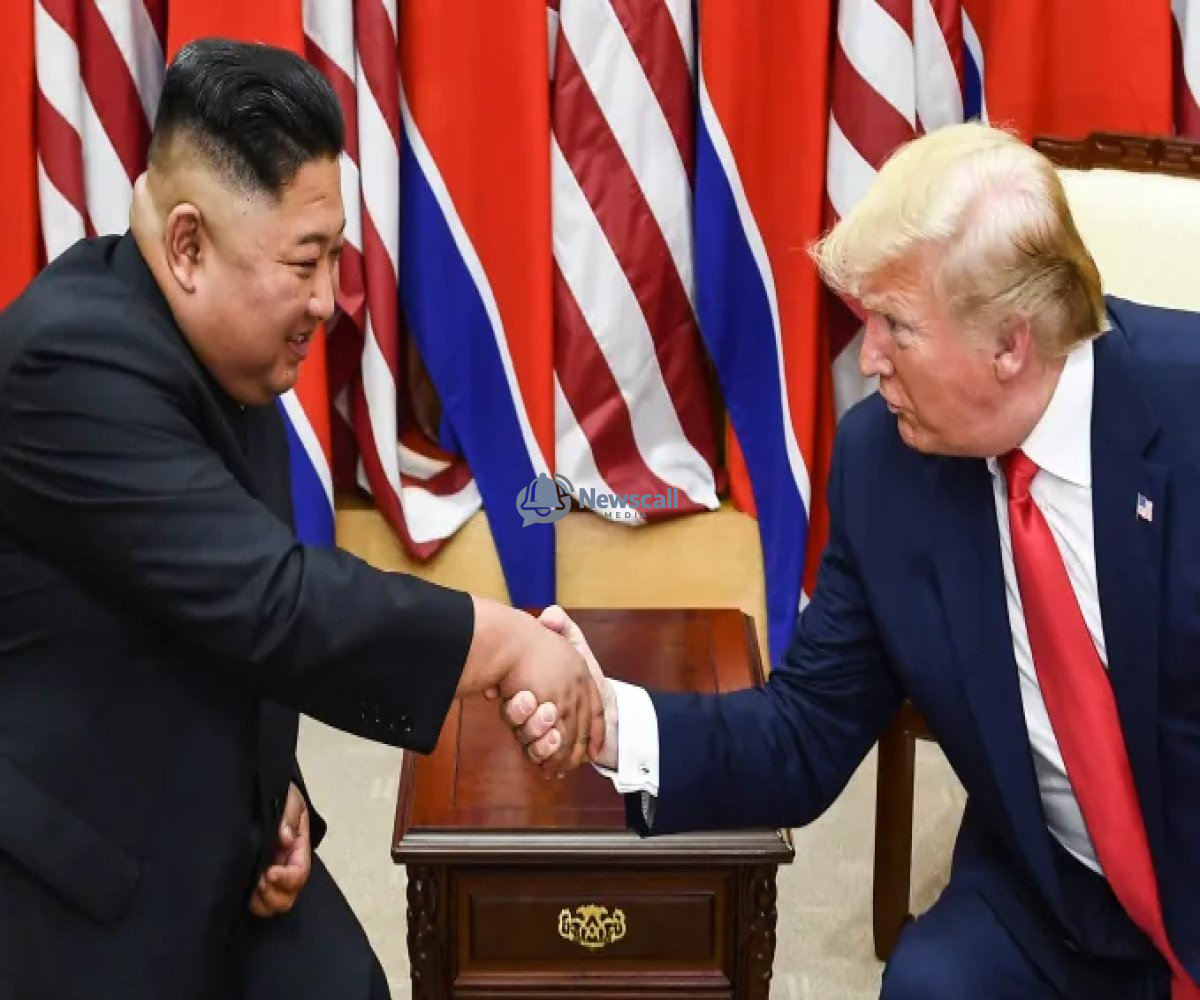
The conflict that was supposed to last weeks has now dragged on for half a year—and its shockwaves are being felt from Kyiv to Seoul to the South China Sea.
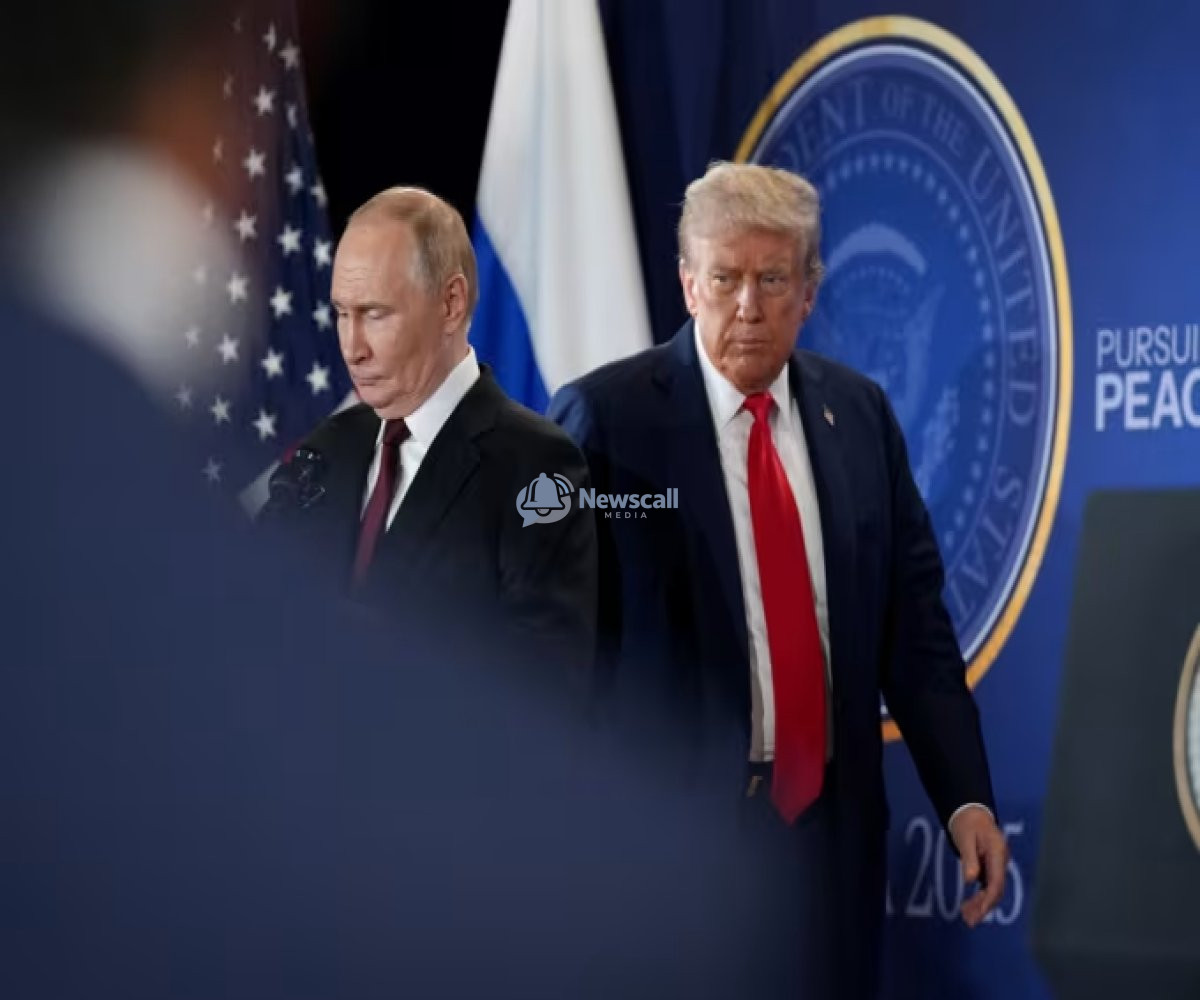
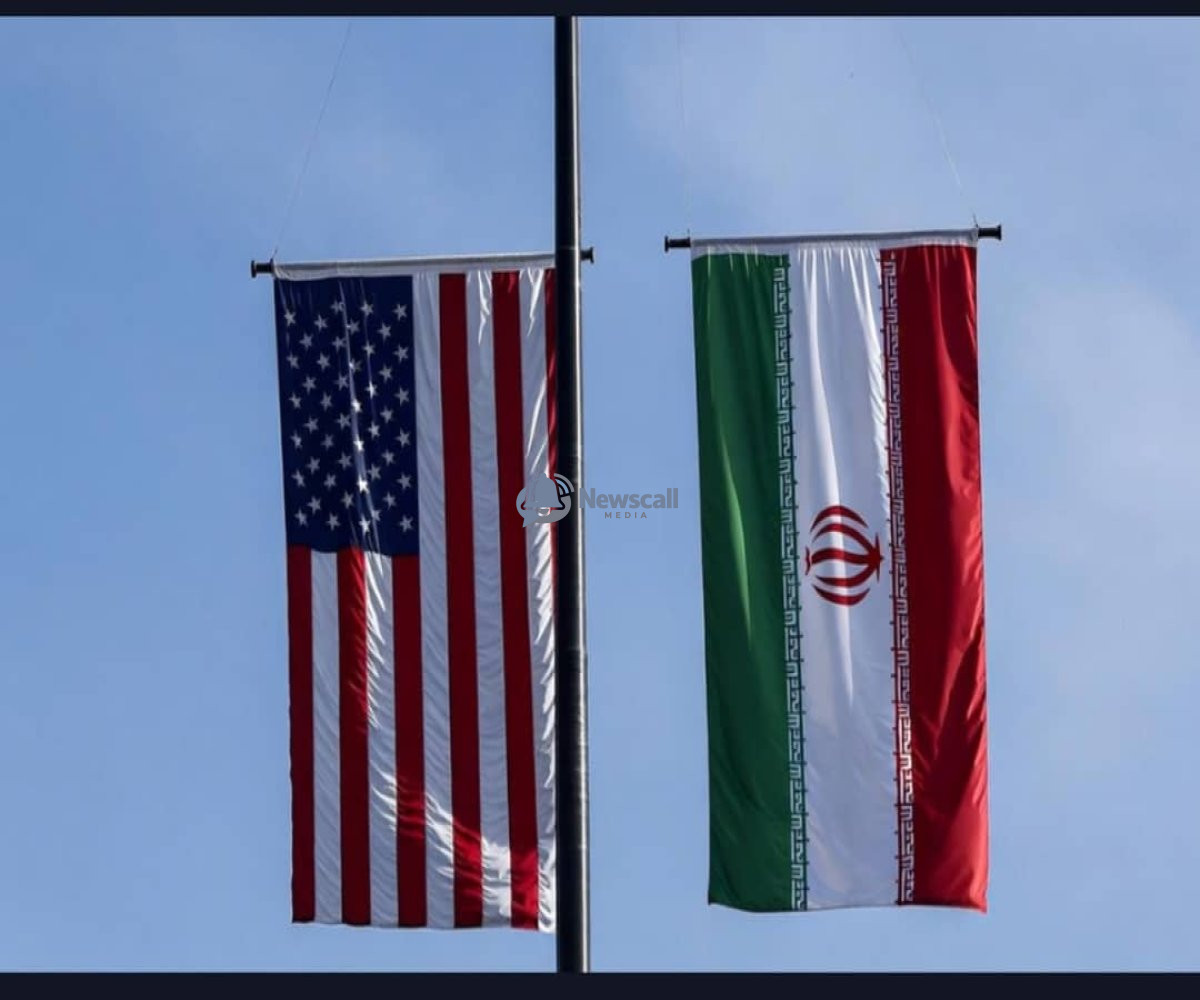
When President Donald Trump launched military action against Iran, he promised the American people a short "excursion"—a few weeks, tops, and then it would be over.
That was six months ago.
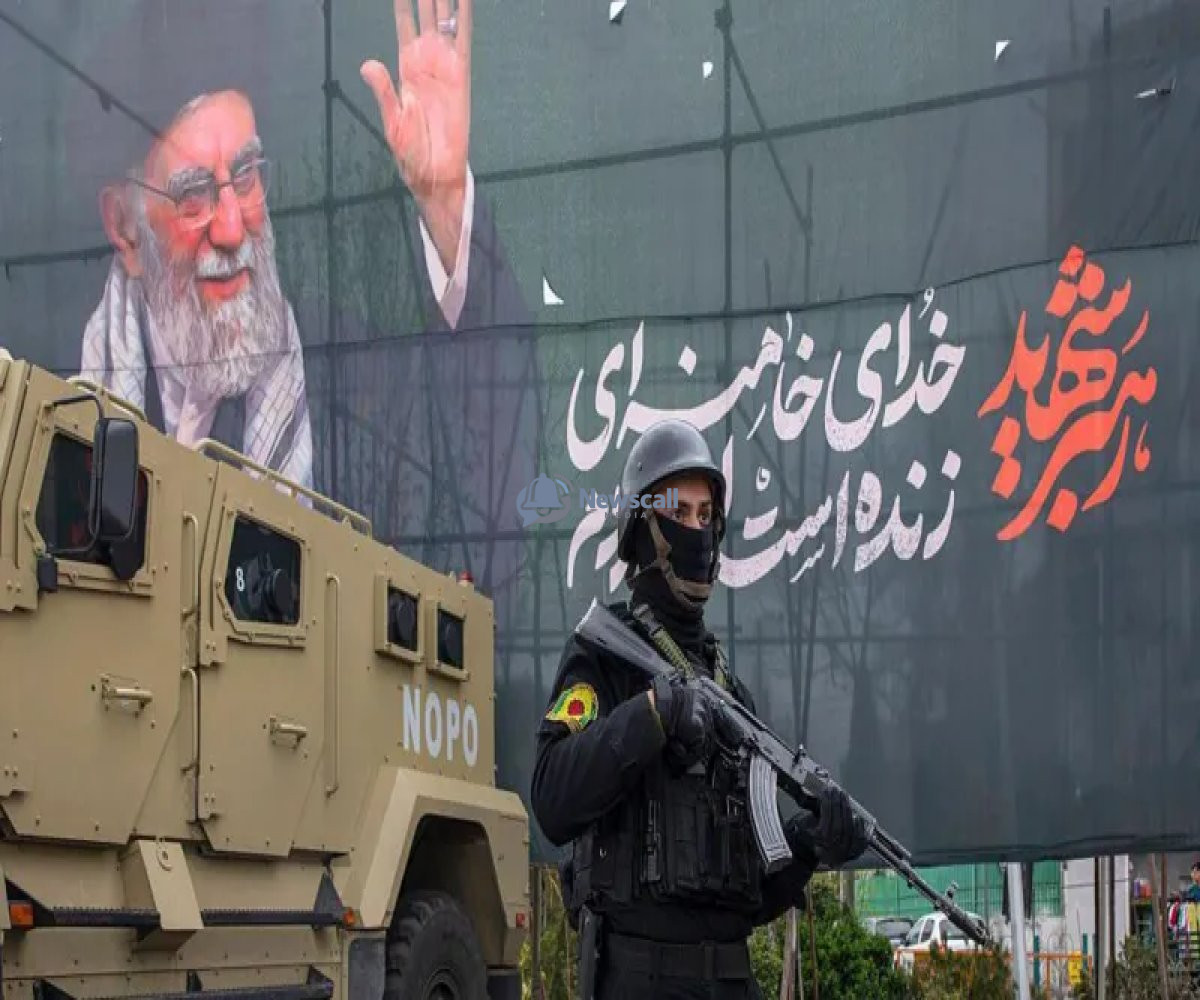
Today, the war has become a nightmare for everyone caught in its orbit. For everyday Iranians struggling through sanctions and strikes. For families across the Middle East whose lives have been upended. For consumers worldwide watching their grocery bills climb as oil prices surge.
And yet, Trump's original goals—total Iranian surrender, regime change, and the dismantling of Iran's nuclear program—have shifted dramatically. Now, the administration's demands are more modest: reopen the Strait of Hormuz and slow down Tehran's nuclear ambitions.
But the damage has already spread far beyond the region. America's global standing has taken a hit. Its adversaries are taking notes. And some of the world's most fragile flashpoints are beginning to show cracks.
---
Ukraine's Defenses Are Crumbling
As the US and Israel have burned through their weapons stockpiles in the Middle East, ammunition originally destined for Ukraine has been redirected. Ukrainian President Volodymyr Zelensky recently told CNN his country has just a tenth of the interceptor missiles it desperately needs to stop Russia's relentless ballistic missile attacks.
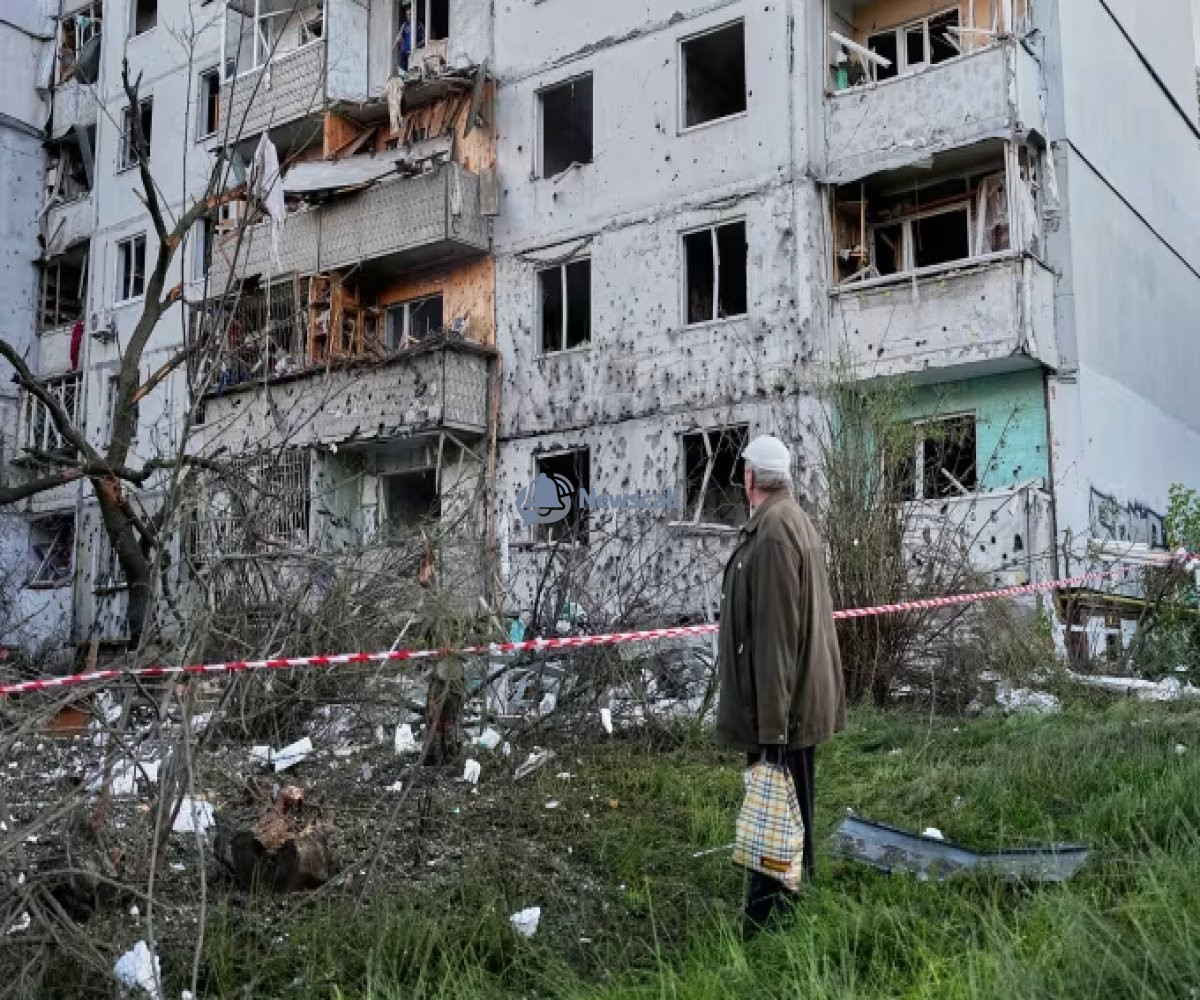
The consequences have been devastating. According to Ukrainian officials, this summer has been the deadliest for civilians since May 2022.
To make matters worse, Trump's decision to lift some Russian oil sanctions to cool rising gas prices at home has actually helped Moscow fund its war effort. Russia is also finding new customers for its oil and fertilizer—and recently hosted nine Southeast Asian leaders in what analysts see as a clear sign of expanding influence.
"The turnout was impressive," said Alexander Gabuev of the Carnegie Russia Eurasia Center. "These leaders made the long journey to Russia because of US and Israeli attacks on Iran causing higher prices for energy and fertilizer."
---
South Korea and the North: A Troubled Alliance
The Korean Peninsula—technically still at war after more than seven decades—is another area feeling the strain.
Trump has sharply curtailed annual joint military exercises with Seoul, partly citing South Korea's lack of support for the Iran war. A planned amphibious landing exercise for September was quietly canceled in June. And some missile interceptors have been pulled from South Korea and redeployed to the Middle East.
Analysts worry about what this means for readiness. If conflict were to break out with the North, US forces might not be as prepared—and South Korea's long-sought goal of taking wartime control of its own troops could be delayed even further.
---
The Pacific: A Carrier-Sized Gap
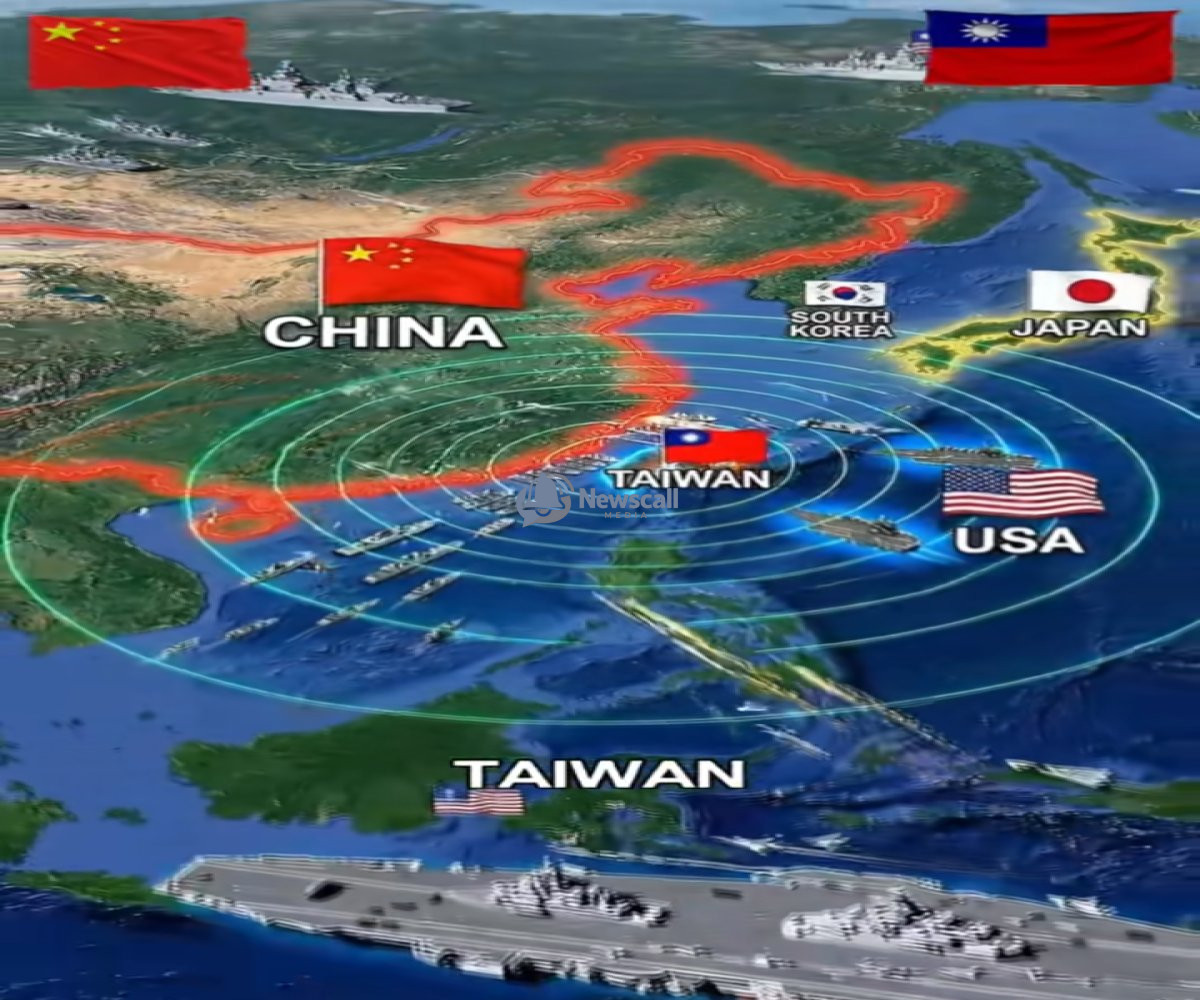
The decision to move the Japan-based aircraft carrier USS George Washington to the Arabian Sea has left the US without a carrier presence in the Pacific for the first time in years.
That's raising alarms among regional allies, particularly the Philippines. With tensions flaring in the South China Sea and Chinese activity increasing around disputed features like Scarborough Shoal, the absence of a US carrier—combined with depleted munitions stockpiles—could put American forces at a distinct disadvantage if things escalate.
"The big thing I'm worried about is what it looks like for the US in a potential conflict with China," said Emily Harding of the Center for Strategic and International Studies. "We're not seeing that turn up anytime soon... but if there were to be a conflict with China, we would be in a state of ammunition shortage."
---
The Unseen Threat: Copycat Chokepoints
One of the war's most dangerous legacies might be the precedent it sets. If Iran can effectively shut the Strait of Hormuz—a chokepoint for global oil shipments—what's to stop other nations from doing the same elsewhere?
"We're not yet seeing this," Harding said, "but if it got to a point where one of those countries wanted to, they could certainly point to this as a precedent."
---
What Comes Next?
The severity of the war's impact will depend on how long the US keeps fighting. If Trump insists on completely destroying Iran's nuclear program and breaking the regime internally, that means a long, costly commitment—and a world economy that will feel the consequences for years.
But there may be another path. Some analysts suggest Trump could settle for making the nuclear program "unusable" by striking key sites whenever Iran tries to rebuild them.
"From the Iranian perspective, all they have to do is survive, and they're doing that," Harding said. "So they can kind of keep this going for as long as they want."
For now, the "excursion" continues and the world is paying the price.

Umeanozie Prosper
Writer, Novelist,blogger, content creator