

Nigeria's GDP Growth Hits 4.43% in Q2 2026, Tinubu Declares Reforms "Irreversible"
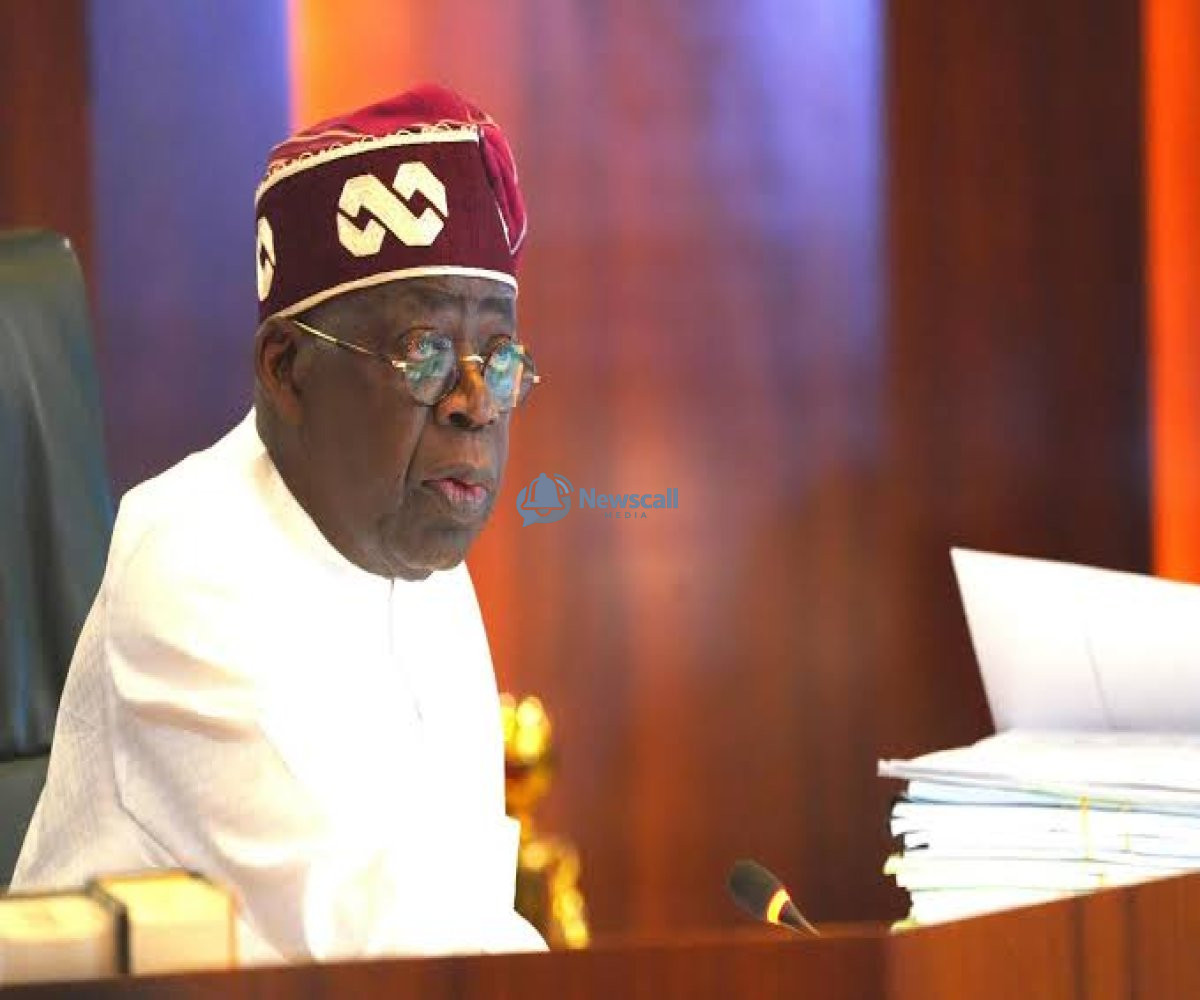
President Bola Ahmed Tinubu has hailed Nigeria's latest GDP figures as proof that his administration's economic reforms are finally bearing fruit, declaring the nation's growth trajectory now "irreversible."
The National Bureau of Statistics reported Monday that Nigeria's real GDP expanded by 4.43% in the second quarter of 2026, surpassing the 4.23% recorded during the same period last year. The services sector continued to lead the charge, with agriculture, manufacturing, and oil and gas also posting solid gains.
In nominal terms, the economy grew to N119.27 trillion, an 18.43% jump from the N100.7 trillion recorded in Q2 2025.
Tinubu, responding through his spokesman Bayo Onanuga, brushed aside criticism from opposition parties, insisting the difficult decisions his government made over the past three years were necessary medicine for a sick economy.
"For three years, we did the hard part—implementing reforms to stabilise the economy. Now we're seeing the results," Tinubu stated. "The Renewed Hope Agenda is working."
The President pointed to trade surpluses, stronger foreign reserves, improved credit ratings, rising oil and gas output, and returning investor confidence as evidence of progress. He also highlighted ongoing infrastructure projects, the NELFUND student loan scheme, and affordable credit for civil servants through CreditCorp as initiatives expanding economic opportunities.
Looking ahead, Tinubu promised intensified efforts to ease the burden on vulnerable Nigerians through cheaper transportation, increased food production, and grassroots relief programmes.
"We are fully committed to translating consistent, stronger economic performance into better outcomes for our citizens," he said. "The sustainable progress we are recording must remain irreversible."
The GDP report comes as the administration faces mounting public frustration over the cost-of-living crisis triggered by its policies, including the removal of fuel subsidies and exchange rate unification.

Umeanozie Prosper
Writer, Novelist,blogger, content creator