

US Treasury Chief Vows to "Collapse" Iranian Regime Through Unprecedented Economic Sanctions.

Washington's aggressive new strategy aims to cripple Iran's economy while avoiding full scale military conflict
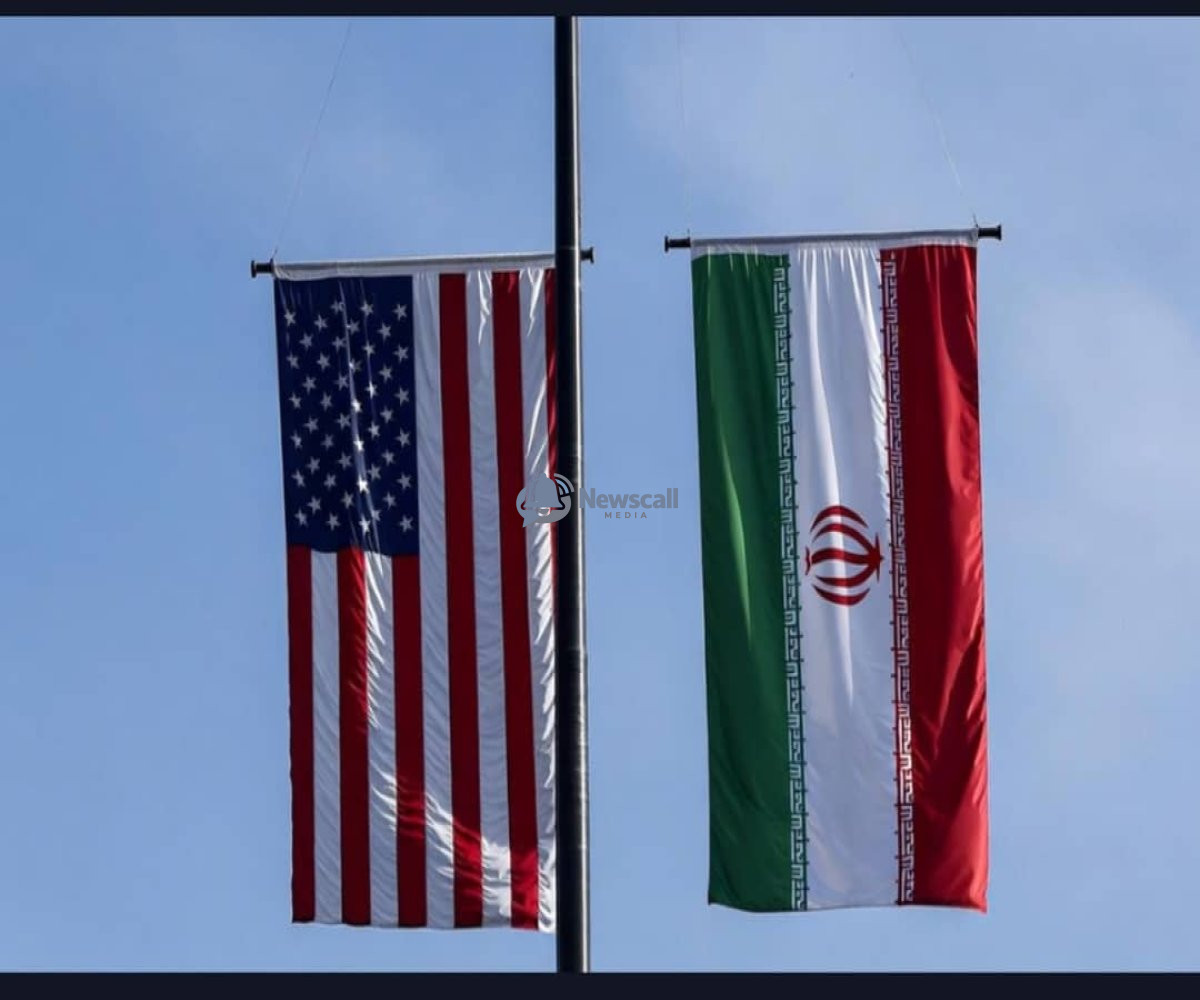
In a stark escalation of economic warfare, US Treasury Secretary Scott Bessent has issued an ultimatum to the international community: join America's campaign to dismantle Iran's economy or face consequences. The Treasury chief's combative stance signals a decisive shift in American strategy, moving away from military confrontation toward what he describes as "the greatest co-ordinated economic isolation in the history of the world."
During an interview with CNBC, Bessent left little room for ambiguity, declaring that the United States is determined to "collapse this regime" through financial pressure. His warning to allies and trading partners was equally uncompromising: "You are either with us or against us." This binary framing suggests Washington views any economic engagement with Tehran as an act of defiance against American interests.
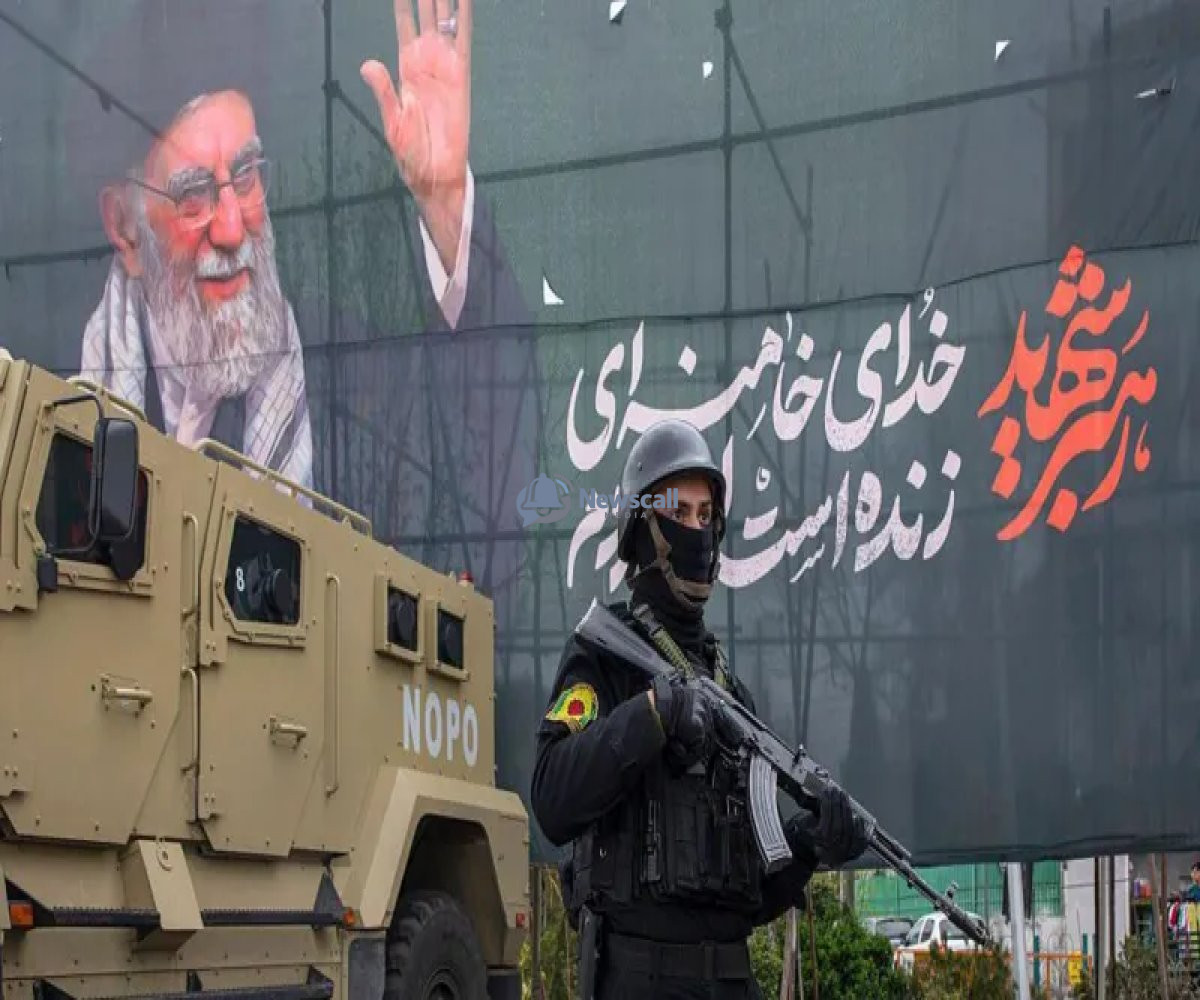
The timing of these remarks is particularly significant, coming after months of on again, off again conflict between the United States, Israel, and Iran. The military confrontation that erupted in February, triggered by American and Israeli strikes aimed at preventing Iran from developing nuclear weapons, has given way to a precarious ceasefire. However, with diplomatic negotiations stalling and the truce repeatedly violated, the Trump administration appears to be pivoting to economic warfare as its primary tool for regime change.
Bessent's confidence in the sanctions strategy is notable. He believes that crippling Iran's economy will ultimately "minimise the need" for what he terms a "large scale kinetic restart" of the conflict. This represents a calculated gamble that financial pressure can achieve what military force has not the overthrow of the Iranian government.
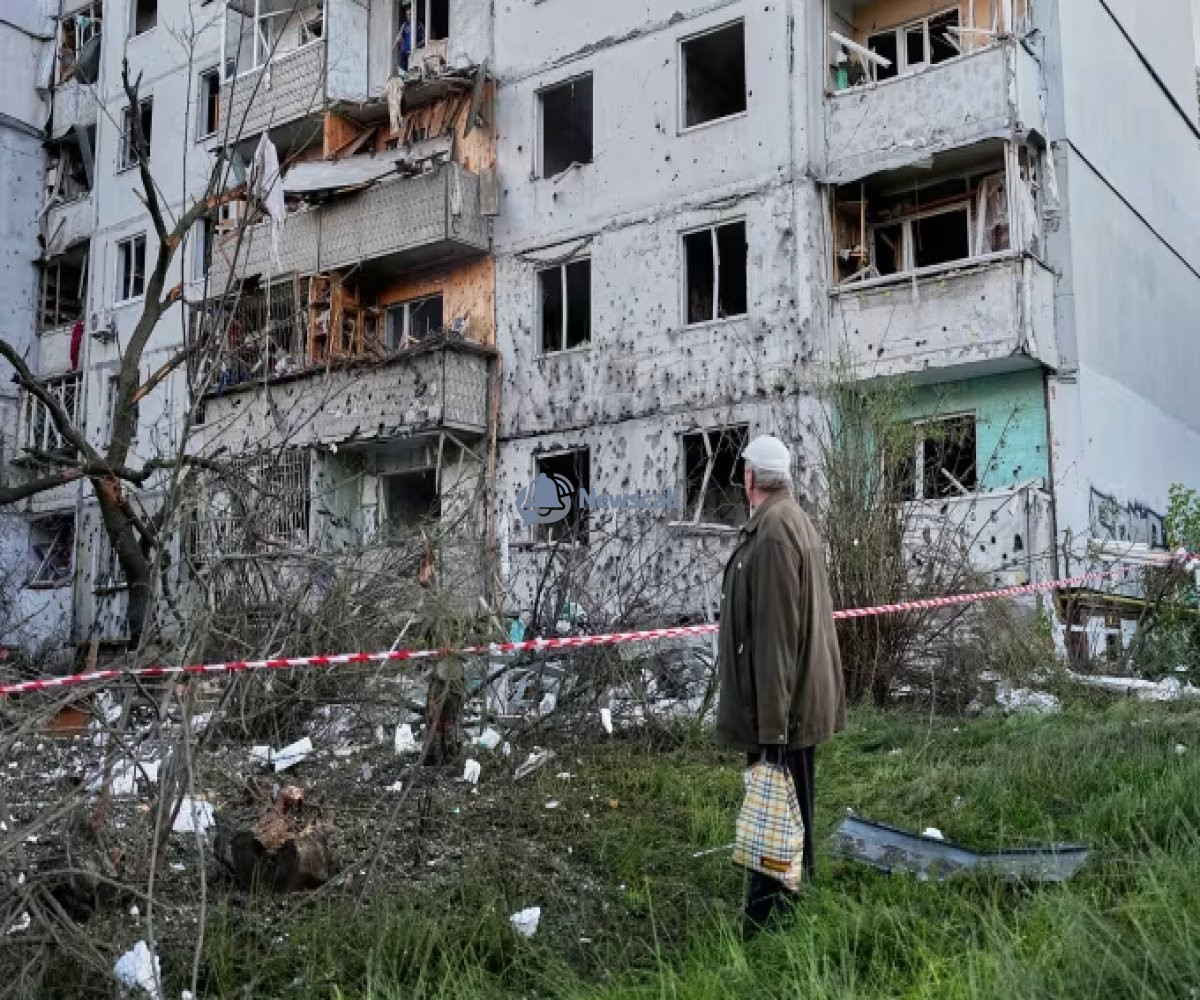
The economic warfare campaign, which Bessent hinted would be detailed at a press conference on August 24, builds upon decades of existing sanctions that have already left Iran's economy in tatters. Official statistics paint a grim picture of the Islamic Republic's economic situation, with basic necessities costing 60% more in the year leading up to February 2026, and food prices doubling over the same period. These hardships have already sparked widespread protests, with Iranians taking to the streets to voice their frustration with the regime's handling of the cost of living crisis.
The proposed measures appear to target Iran's lifeblood its oil exports. Bessent explicitly warned that any country or entity doing business with Iran, whether through money transfers or oil purchases, would face the "full might and force" of the US Treasury. This aggressive posture extends to a naval blockade of Iranian ports, which was implemented earlier this year after initial military operations failed to achieve Trump's desired outcome of regime surrender.
However, the effectiveness of this renewed pressure campaign remains highly questionable. Iran has demonstrated remarkable resilience in the face of international sanctions since the Islamic Revolution of 1979. Despite decades of economic isolation, the regime has managed to maintain its grip on power, often through brutal crackdowns on dissent, as demonstrated during the protests earlier this year.
Ordinary Iranians interviewed by the BBC expressed skepticism about the new sanctions' potential to bring about regime change. One resident from Khuzestan province noted that a country with such extensive experience navigating sanctions would find ways to adapt and overcome the additional pressure. Another resident dismissed the impact of Trump's rhetoric, suggesting that Iran has become accustomed to economic warfare and would develop alternative trading arrangements.
The international dimension of Bessent's threat adds another layer of complexity. The June Memorandum of Understanding signed between Iran and the United States had included provisions for the termination of sanctions according to an agreed schedule. This agreement now appears to be in jeopardy, raising questions about American credibility in diplomatic negotiations.
As the August 24 press conference approaches, the world watches with bated breath. The Trump administration's gambit represents a high-stakes bet that economic pressure can achieve what military force could not. Whether Iran's regime will indeed collapse under the weight of these sanctions, or whether the Iranian people and their government will find new ways to survive and adapt, remains to be seen. What is clear is that the United States is prepared to test the limits of economic warfare on an unprecedented scale.

Umeanozie Prosper
Writer, Novelist,blogger, content creator