

He Could Have Been an Inmate. Instead, He’s Teaching Coding Inside a Kenyan Youth Prison.
Growing up in Kibera, one of the world’s largest slums, he spent his childhood running errands for older boys delivering things like drugs and guns. But instead of prison, he found radios. He taught himself electronics by reading old books, eventually earned a computer science degree, and became a tech entrepreneur.
Now, he’s bringing that same technology to teenagers who weren’t as lucky.
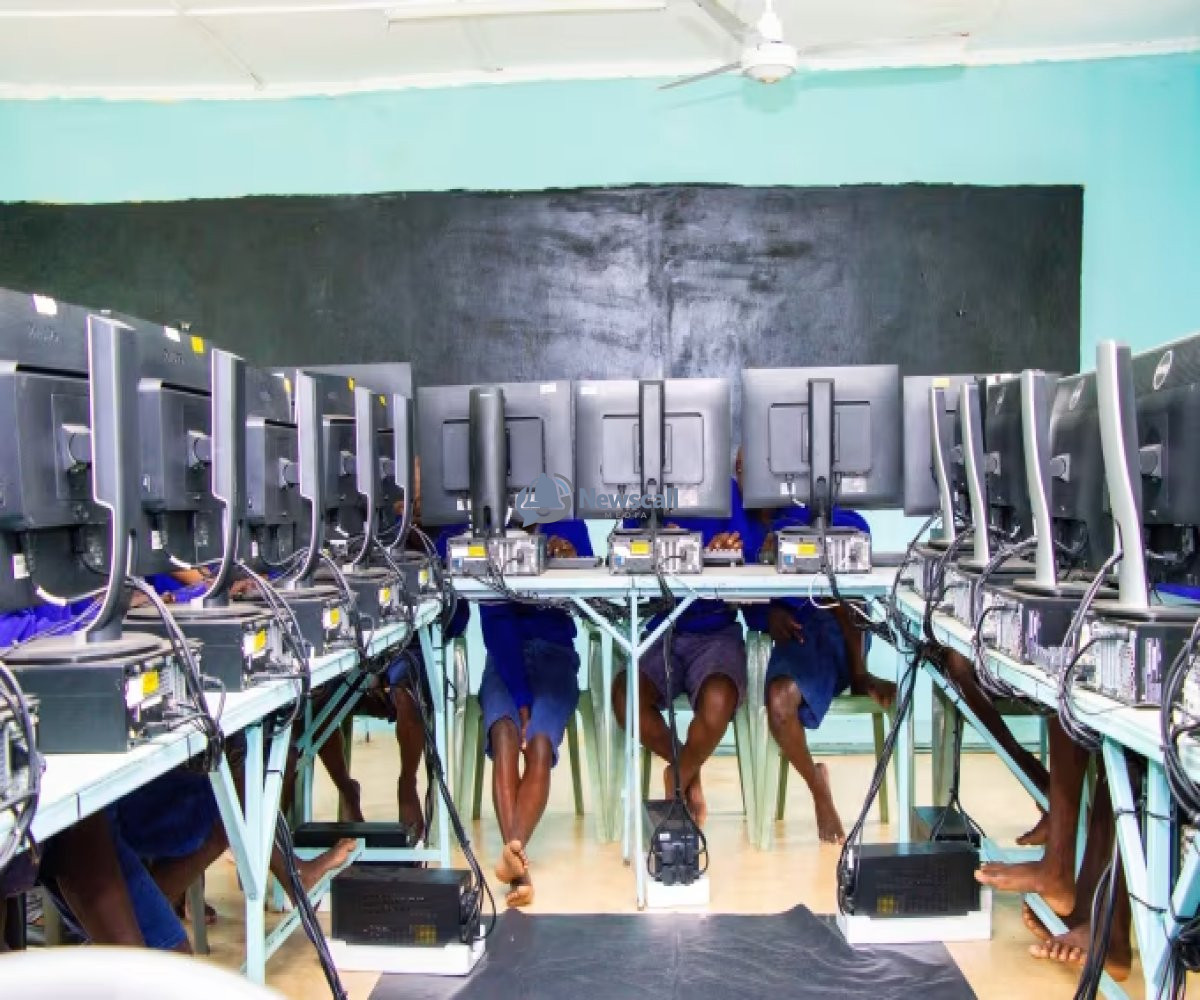
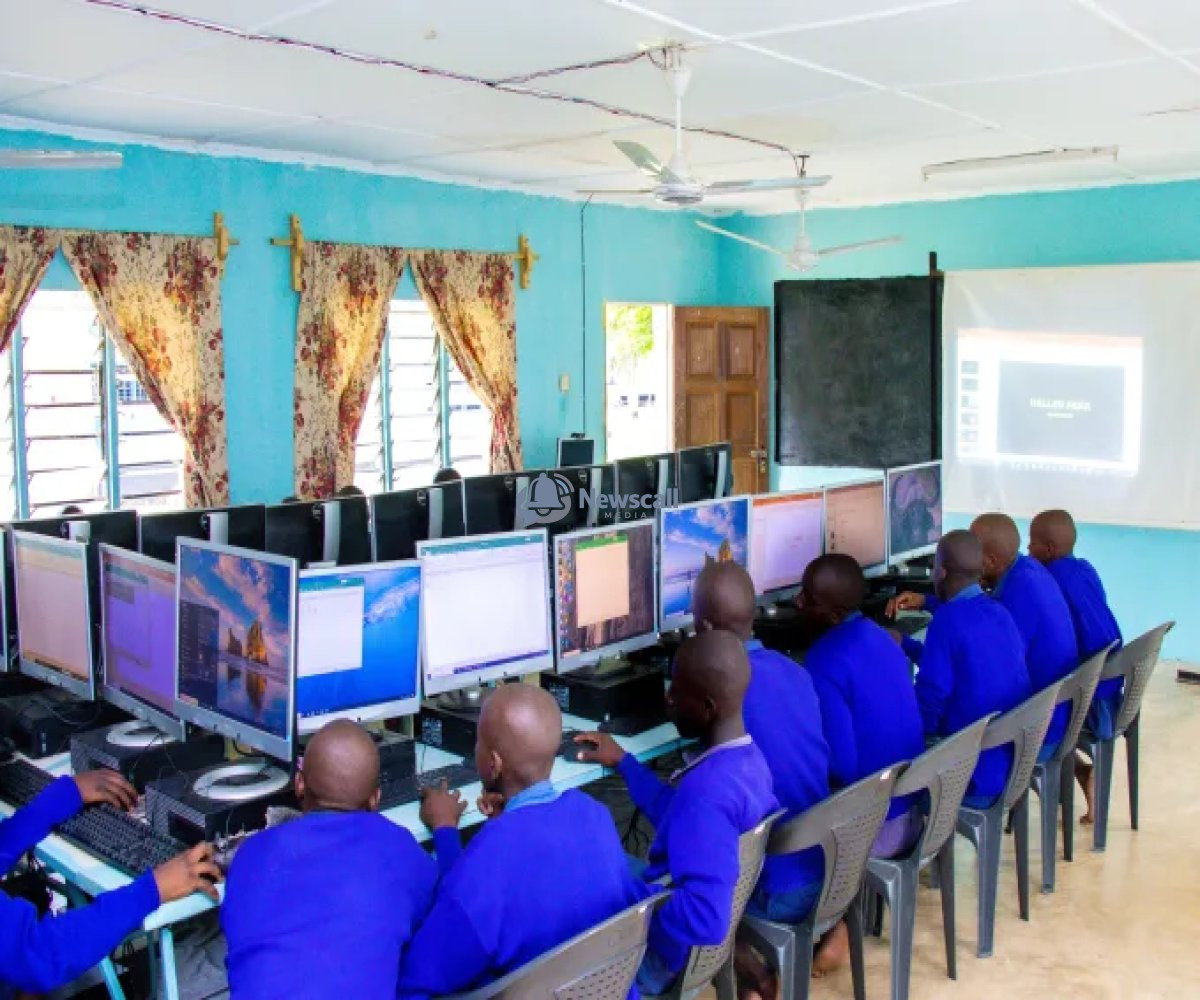
Through his organization, TechKidz Africa, Akwabi partnered with a nonprofit called Close the Gap Kenya to set up a computer lab inside Shimo La Tewa, a youth prison in Mombasa. The facility holds boys aged 15 to 18 who’ve committed serious crimes.
Most of them had never touched a computer before.
Of the first 25 young men in the course, 21 had zero prior experience with a keyboard or mouse. One 19 year old wrote, “At first, it was difficult to operate the computer.” Another, 18, said, “I was able to use a computer for the first time and enjoyed typing activities.” He now hopes to use graphic design to promote his plumbing business when he gets out.
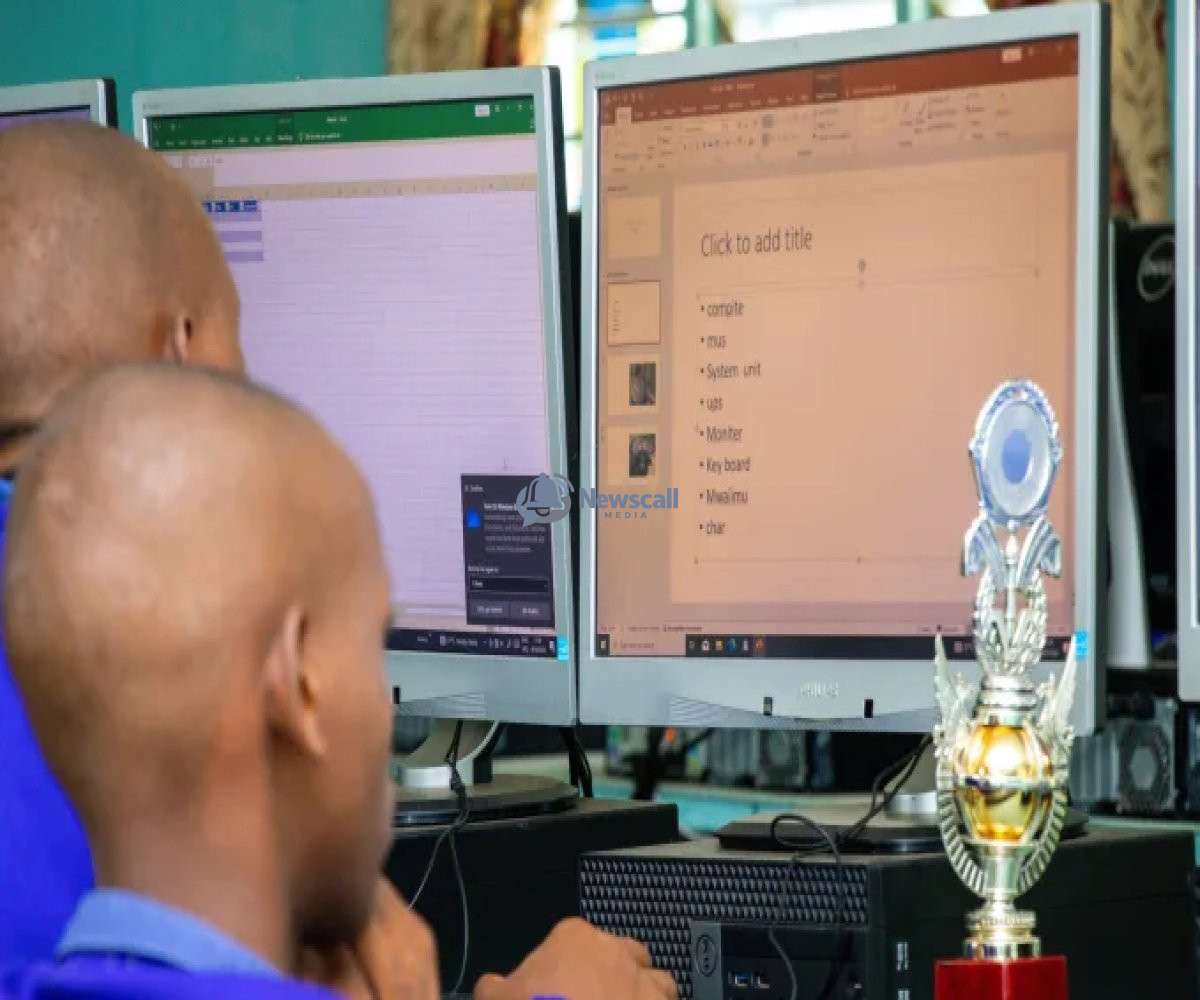
The three month course starts with the absolute basics what a computer even is then moves through digital safety, email, Excel, and Word. From there, it goes into coding, web design, robotics, and video editing.
Why robotics? Because almost every kid ranked it as their favorite part.
One boy who was semi literate and couldn’t continue formal education ended up designing a 3D model of a greenhouse with an automated irrigation system. He and two others presented it at graduation. They plan to build it for real after release.
The program isn’t just about skills. It’s about self worth.
According to the prison’s senior superintendent, the computer lab has raised motivation across the entire facility inmates started working harder in other programs just to qualify for the tech course. And for boys who thought computers were only for the elite, just getting access has rebuilt a sense of dignity.
“They are more confident in going back home,” she said. “They feel they haven’t missed what happened outside.”
Now, TechKidz and Close the Gap are expanding to 14 more prisons across Kenya, including women’s facilities. They’ll train prison officers to teach the curriculum themselves.
For Akwabi, it’s deeply personal. “I thought, ‘This could have been me,’” he said. “I’m committed to making sure kids from backgrounds like mine full of crime and hardship can dream bigger.”

Umeanozie Prosper
Writer, Novelist,blogger, content creator