

U.S. and Iran Edge Toward a Longer Term Truce – But No One’s Signed Off Yet.
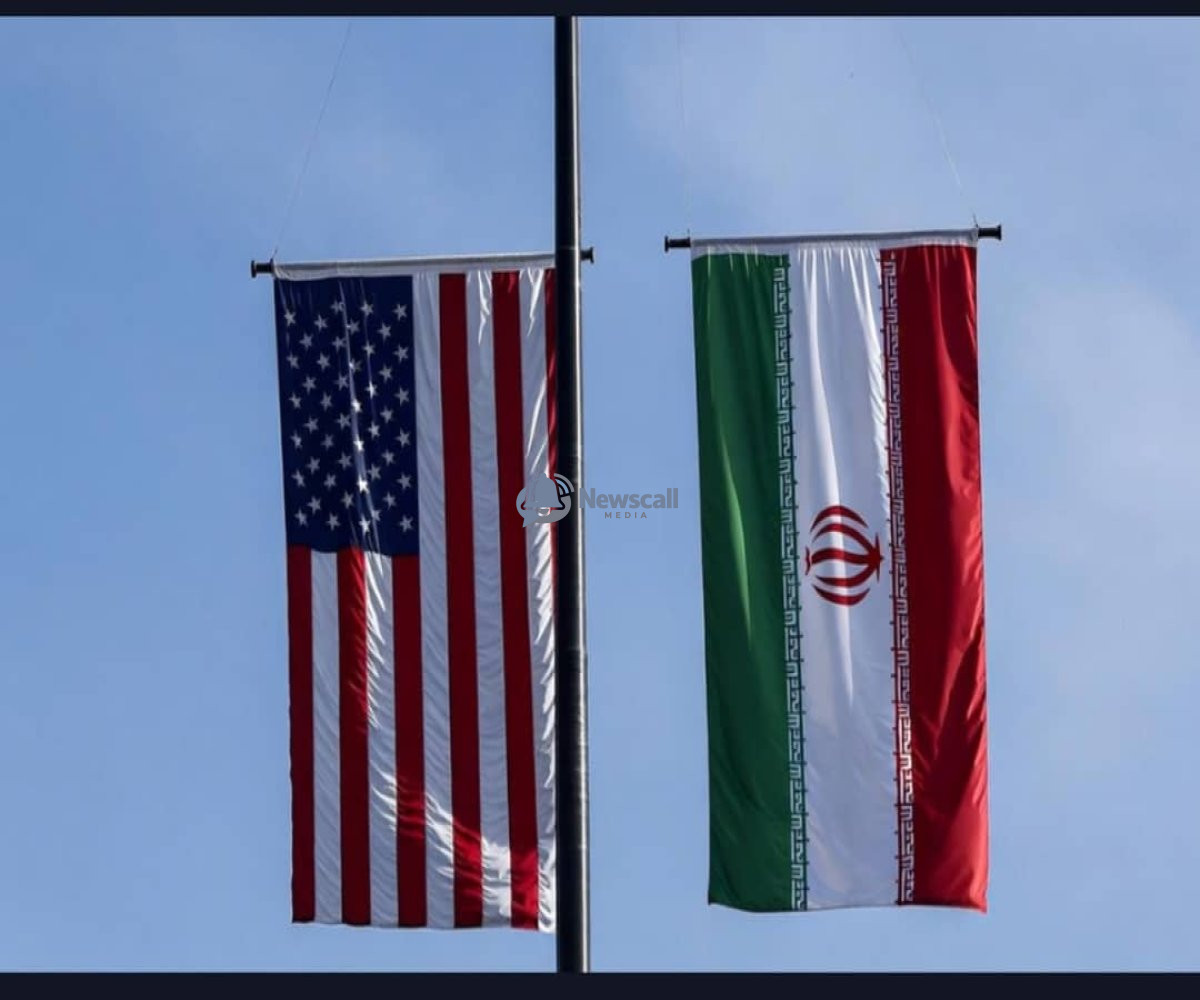
So here’s where things stand between the U.S. and Iran: officials on the American side say the two countries have sketched out a tentative agreement aimed at turning the current ceasefire into something more lasting. But don’t break out the champagne just yet.
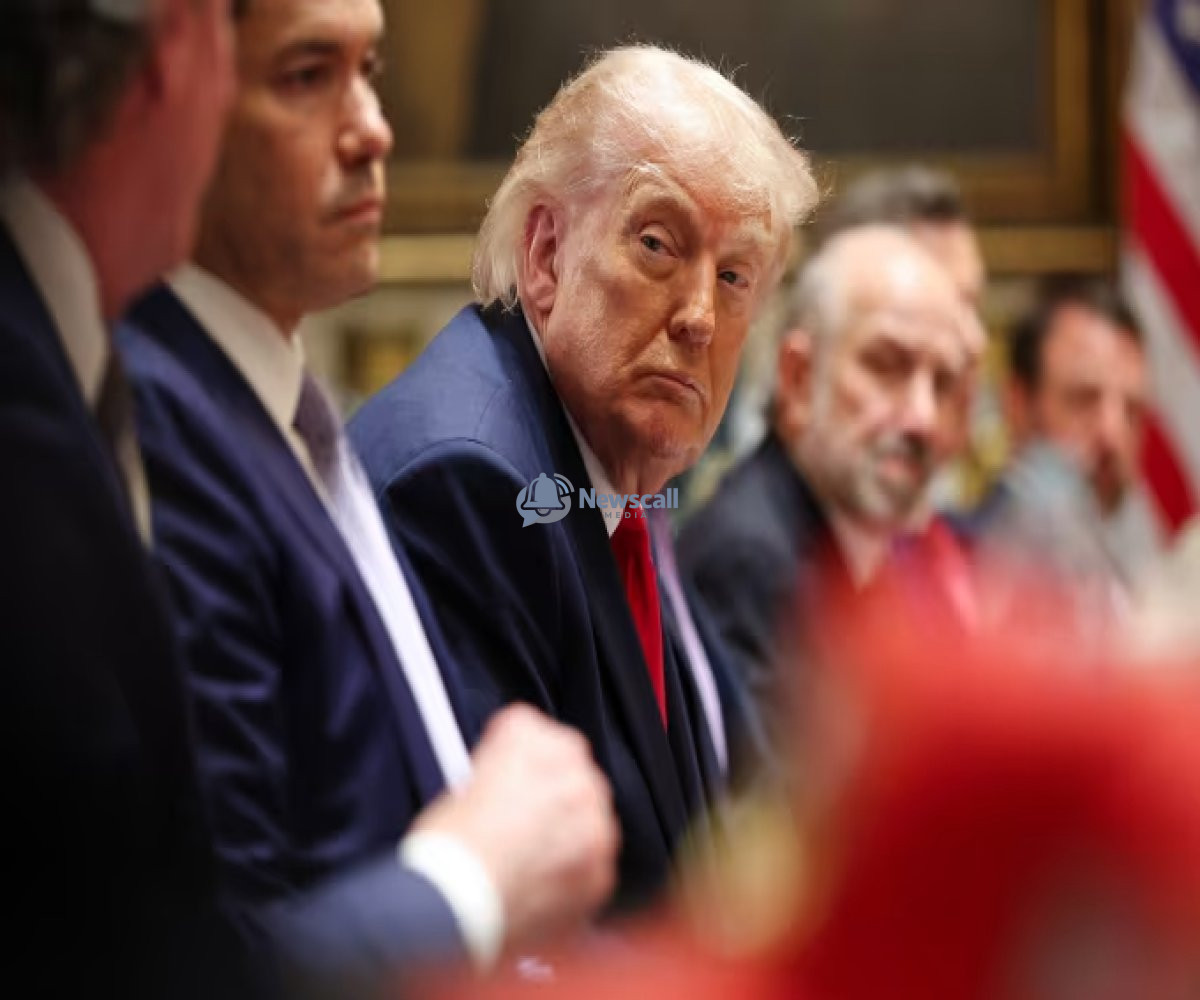
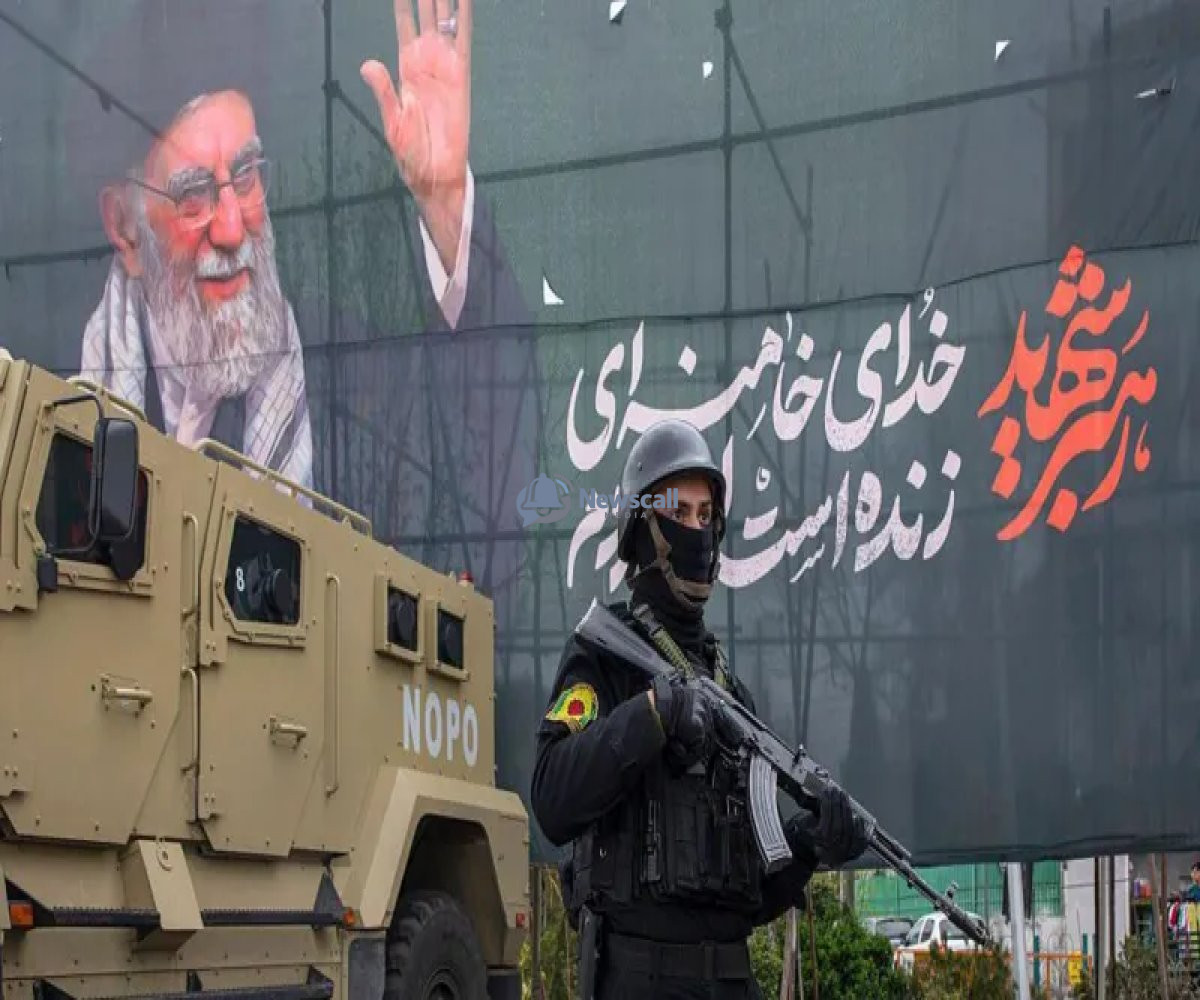
President Trump hasn’t given it his blessing. And on the Iranian side, it’s unclear whether Supreme Leader Ayatollah Khamenei has signed off which everyone agrees is a must for any real deal. Iranian semi-official media poured a little cold water on the news, reporting that the text of the agreement "has not yet been finalized or made definitive."
All this is playing out against a backdrop of fresh violence. Early Thursday, the U.S. carried out new strikes in Iran, targeting a site that officials said posed a threat to American forces and commercial ships. Drones launched from Iran were also intercepted, according to a U.S. official.
So what’s actually in this proposed “memorandum of understanding”?
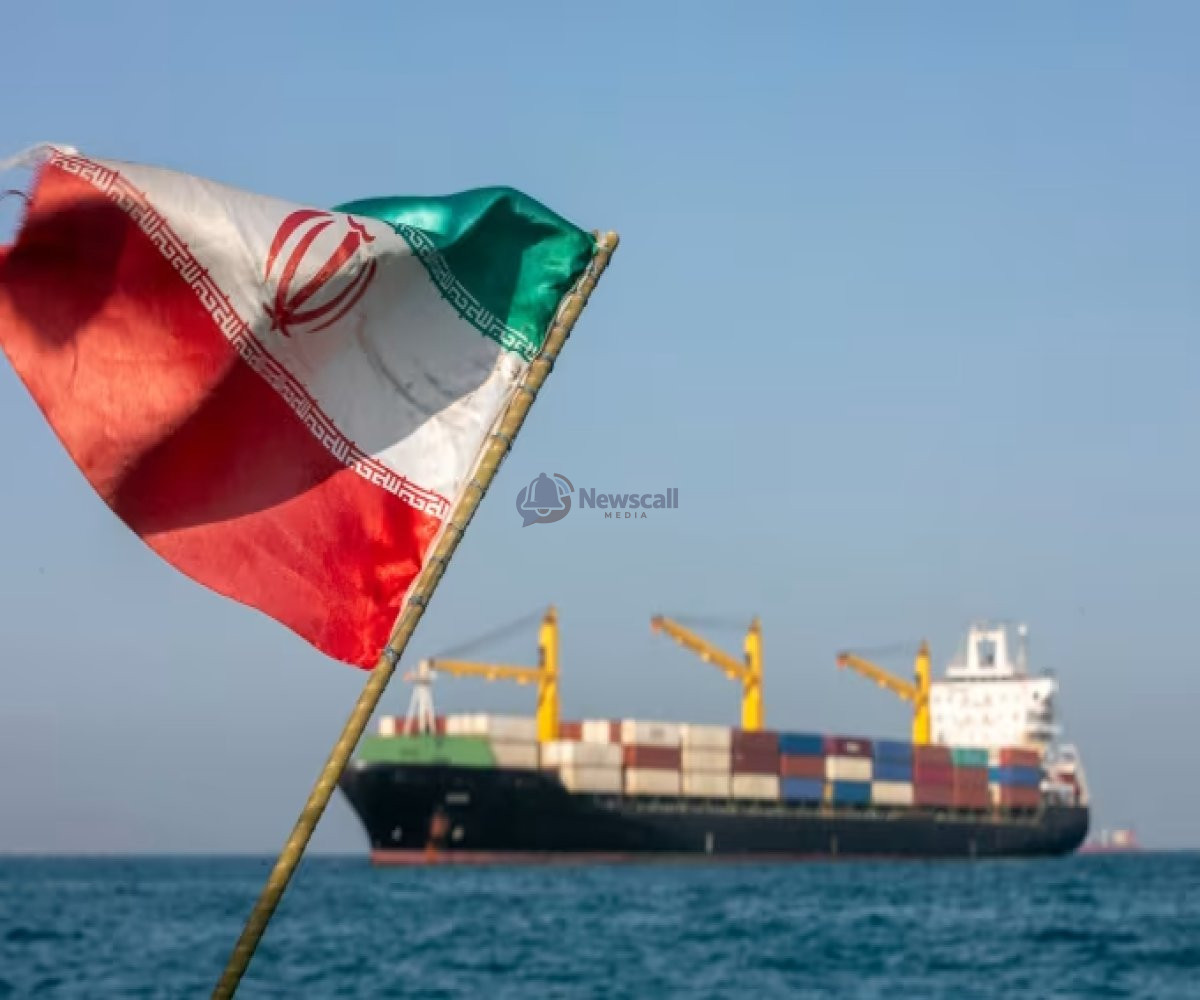
The Strait of Hormuz would be reopened to unrestricted ship traffic, and the U.S. blockade on Iranian ports would be lifted. Trump posted on social media that the strait would reopen under the memo, but Iranian outlets insist the waterway stays under Tehran’s supervision and that military ships aren’t part of the deal. Iran also says it’s not looking to collect tolls, just to manage traffic and environmental safety, likely in coordination with Oman.
Iran’s nuclear program would get a 60-day negotiation window. That includes the fate of over 440 kilograms of highly enriched uranium enough to worry any policymaker. Trump’s line has been “no dust, no dollars,” meaning Iran needs to get rid of that stockpile before the U.S. loosens any financial restrictions. Iranian media, however, say Tehran has made no promises about handing over nuclear materials or shutting down facilities.
Frozen assets are a huge sticking point. Iran wants billions of dollars in overseas bank accounts unfrozen immediately. Reports suggest up to $24 billion could be released under a deal, with half coming at the announcement. But the U.S. says no assets get freed until the Strait of Hormuz is actually back open.
Sanctions aren’t going away overnight. Iran admits lifting sanctions isn’t on the table in this short term memo that’s for later talks, likely tied to nuclear progress. Still, Tehran estimates that even a 60-day suspension of oil sanctions alone could bring in nearly $10 billion.
Ballistic missiles have gone a bit quiet in recent discussions, though U.S. officials previously insisted Iran’s long range missiles must be destroyed. Israel and Gulf Arab states still see them as an urgent threat.
Lebanon adds another layer of complexity. Iran says any understanding must include an end to the war on “all fronts, including Lebanon,” where its ally Hezbollah is locked in conflict with Israel. But an Israeli source told CNN that operations in Lebanon will expand. Prime Minister Netanyahu has vowed to “intensify the blows.” The U.S. continues to back Israel’s right to act.
Through all of this, Iran insists it’s ready for a “fair and balanced deal.” As one Iranian source put it: “The most important thing for us is that the war must end for good in the whole Middle East.”
For now, though, it’s a fragile maybe not a done deal.

Umeanozie Prosper
Writer, Novelist,blogger, content creator