

Lassa Fever Fatality Rate Rises In Nigeria
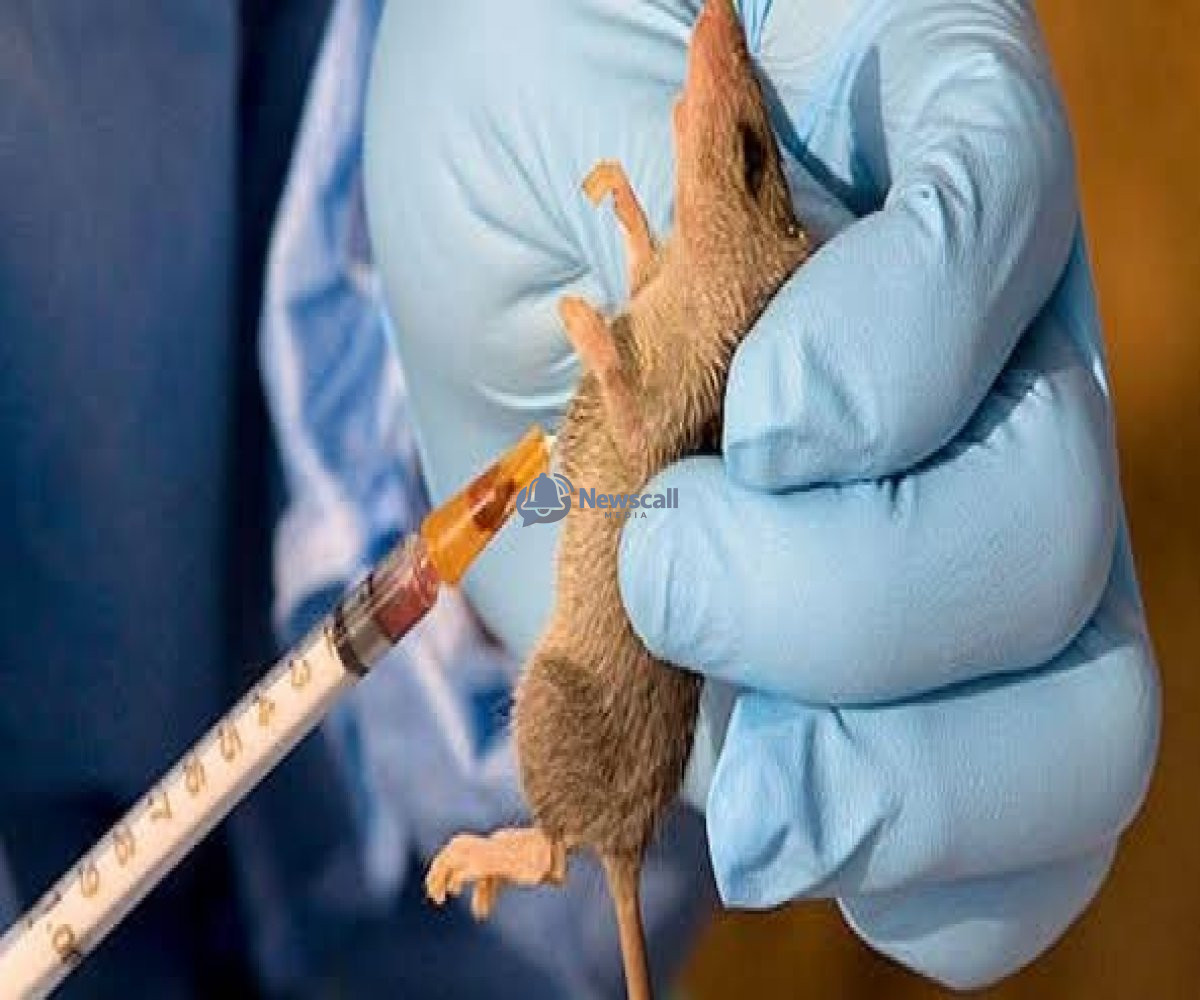
Nigeria is experiencing a rising Lassa fever case fatality rate (CFR) in 2026, which climbed to approximately 24.8%–25.2% as of mid-April, compared to 18.8% in the same period in 2025.
The Nigeria Centre for Disease Control and Prevention (NCDC) disclosed in its Epidemiological Week 14 report for 2026 that confirmed cases dropped from 26 in the previous week to 22.
Despite a decline in weekly confirmed cases, over 170 deaths have been recorded, with infections largely concentrated among adults aged 21–30.
The report showed that 22 states and 94 Local Government Areas had reported confirmed cases in 2026, with five states accounting for about 84 per cent of total infections recorded which included Bauchi, Ondo, Taraba, Edo and Benue.
The agency said Bauchi recorded the highest burden with 27 per cent of confirmed cases, followed by Ondo with 22 per cent, Taraba with 18 per cent, Edo with nine per cent, and Benue.
Other affected states included Plateau, Ebonyi, and Kogi, among others, highlighting the continued geographic spread of Lassa fever across multiple regions despite ongoing nationwide surveillance and response efforts.
It added that the male-to-female ratio among confirmed cases stood at 1:0.9, indicating relatively similar infection rates between genders, although slightly higher among males in the current reporting period.
The development came as the Oyo State Government confirmed the death of a 44-year-old woman from Lassa fever at University College Hospital, Ibadan.
The Commissioner for Information and Orientation, Dotun Oyelade, confirmed this in a statement in Ibadan, the state capital, on Wednesday.
He said, “The patient was managed at the hospital but died on April 11, while laboratory confirmation of Lassa fever was received two days later on April 13.”
Oyelade emphasised that the government wasted no time in activating its emergency response system immediately after the case was confirmed.
“Ajetunmobi disclosed that an Incident Management System has been set up to coordinate response efforts, including contact tracing and monitoring of all individuals who may have come in contact with the deceased.
While suspected cases have declined compared to 2025, confirmed infections have increased, suggesting improved diagnostic capacity but also sustained transmission within communities.
In response, the NCDC said, “It has activated a national multi-partner Incident Management System to coordinate containment efforts.”
The agency, in collaboration with partners including the World Health Organisation, United Nations Children’s Fund and the US Centre for Disease Control and Prevention, has intensified surveillance, case management and public health interventions across affected states.
Of particular concern is the infection of healthcare workers, with one new case recorded in week 14, raising concerns about compliance with infection prevention and control measures in treatment centres and frontline health facilities managing cases.
Additionally, personal protective equipment has been prepositioned and distributed to health facilities, while updated IPC guidelines and standard operating procedures have been disseminated to reinforce adherence among healthcare workers.
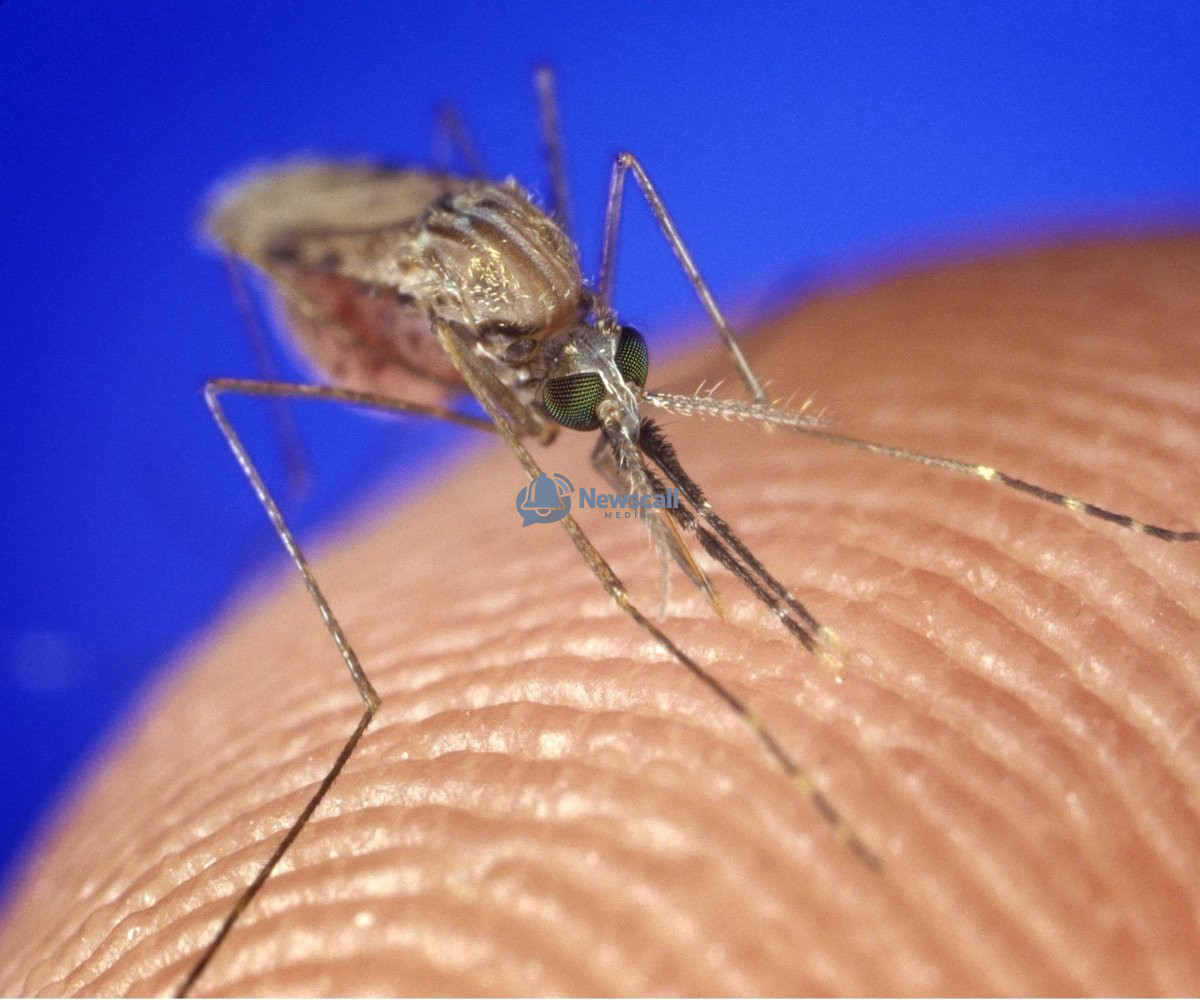
Lassa fever, an acute viral haemorrhagic illness transmitted primarily through contact with food or household items contaminated by infected rodents, remains a major public health challenge in Nigeria, especially during the dry season when transmission peaks.
Poor sanitation, overcrowding and limited awaren
ess in rural communities continues to drive outbreaks.

Omire Oluomachi Promise
Content writer, ghostwriter, blog and social media writer