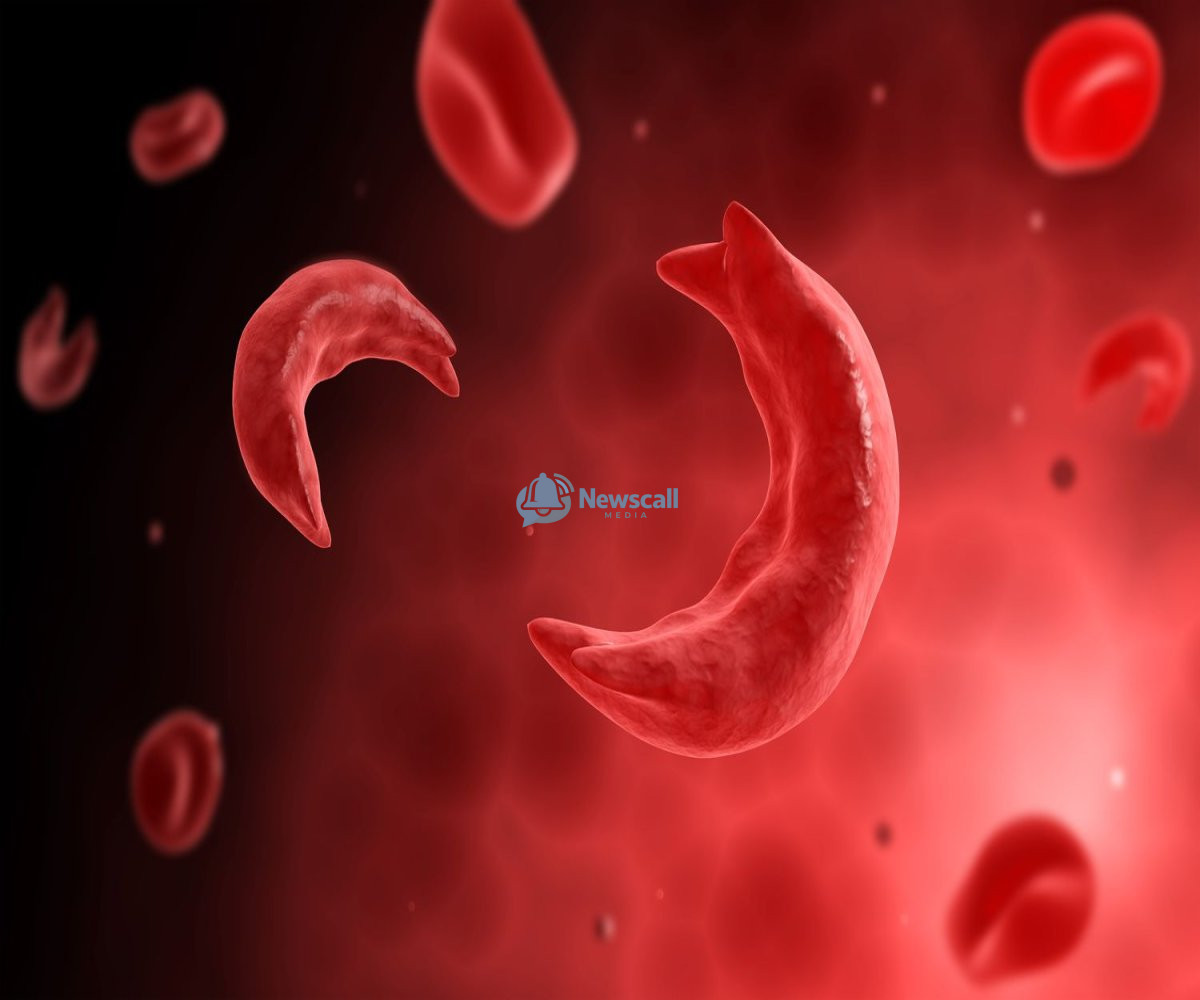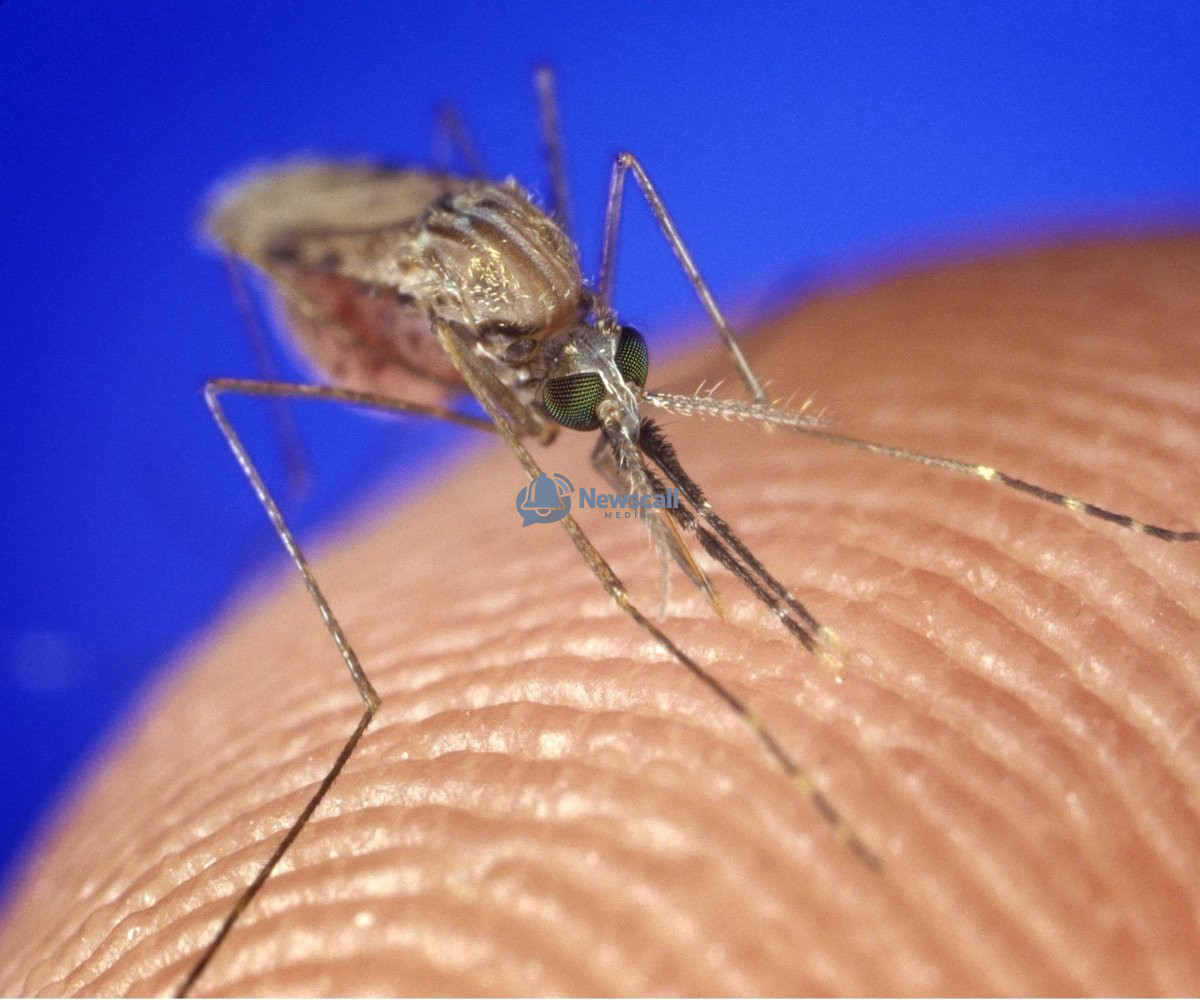


CRUISE SHIP NIGHTMARE: Deadly 'Andes Virus' Locks Down Atlantic Voyage as Passengers Wait in Cabins.

A luxury cruise ship heading for the Canary Islands has turned into a floating quarantine zone after an outbreak of one of the world's rarest and most dangerous viruses hantavirus left one passenger dead and others fighting for their lives.
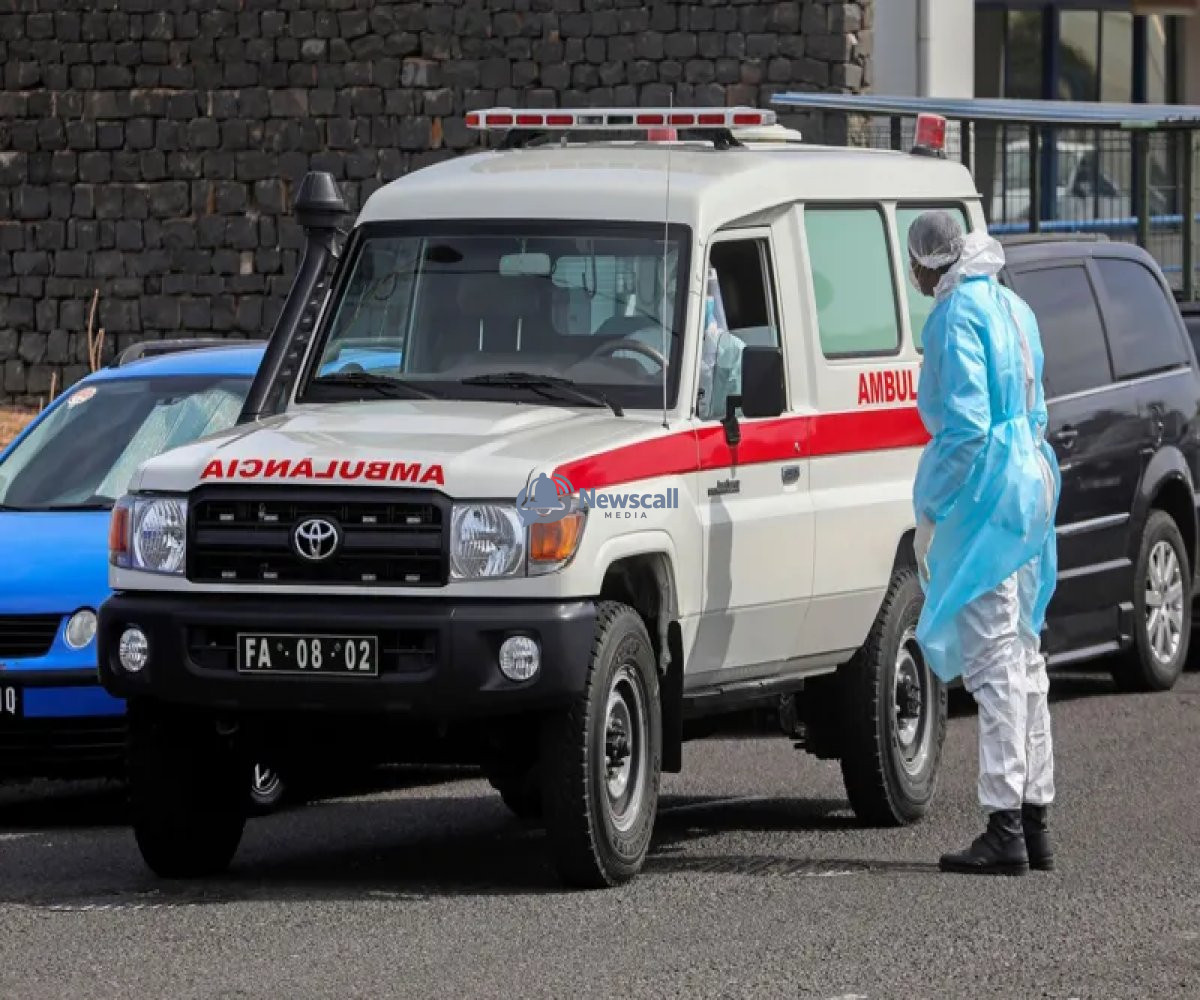
The MV Hondius, which had been sailing from Argentina across the Atlantic toward Cape Verde, is now racing to dock in the Canary Islands by this weekend. On board: 146 people from 23 countries, many of them confined to their cabins, waiting to be medically cleared.
What we know so far
Three people have tested positive for the virus. One of them a Dutch woman has died. A British passenger is in intensive care in South Africa. A Swiss passenger is being treated in a Zurich hospital.
Then there are the suspected cases: a British man, a Dutch crew member, and a German national. None have tested positive yet, but two have symptoms. Two of them are already in the Netherlands for treatment. The third, stable for now, is stuck on an evacuation flight that's been delayed.
Back on land, two other British passengers are isolating at home after possible exposure. They left the ship earlier in the journey and haven't shown symptoms. In the US, health authorities in Arizona and Georgia are keeping an eye on three passengers who returned home after getting off before the ship reached Cape Verde. None of them are sick so far.
The twist: this strain spreads person to person
Here's where this gets especially unnerving. Most hantaviruses don't pass between people you catch them from rodent droppings or urine. But the strain confirmed on this ship, called the Andes virus, is the single known exception.
It can spread from human to human, though very rarely and only through extremely close, prolonged contact with someone who's already sick. Think family members caring for a patient, or maybe shipmates sharing tight quarters.
South Africa's health minister confirmed the Andes strain in two passengers: the British man hospitalized in Johannesburg and the Dutch woman who died.
How did it start?
No one knows for sure. A Dutch couple who'd been traveling in South America before boarding the ship in early April one of them the woman who died might have picked it up during their trip. The cruise also stopped at remote wildlife areas, so a passenger could have encountered contaminated rodent droppings onshore or even aboard.
Genetic testing of the virus might eventually trace the source.
What happens now on the ship?
The World Health Organization is treating this as a potential person-to-person outbreak. Passengers are already confined to their cabins—the cruise ship version of COVID-era lockdowns. Experts say strict isolation of infected people, contact tracing, obsessive handwashing, and infection control measures will be critical.
The good news: This isn't like flu, which spreads through casual coughs and sneezes from several feet away. "We're not talking about casual contact from very far away from one another," said Dr. Maria van Kerkhove of the WHO.
Still, the incubation period is a nightmare for containment. Symptoms can take anywhere from one to eight weeks to show up. Someone could feel fine for nearly two months while silently carrying the virus.
What does the disease do to you?
The Andes strain causes something called Hantavirus Pulmonary Syndrome (HPS). It starts like a bad flu—fatigue, fever, muscle aches, headaches, chills, stomach issues. Then, without warning, it attacks the lungs. Patients suddenly can't breathe. That's when they need urgent ICU care.
The mortality rate for this strain: 20 to 40 percent. For comparison, COVID-19's early fatality rate was around 2-3 percent.
A second, rarer form called Hemorrhagic Fever with Renal Syndrome attacks the kidneys, causing internal bleeding and organ failure.
Is there a cure or vaccine?
No specific treatment exists. No widely available vaccine, either. (China and South Korea have some for local strains, but not for Andes.) What saves lives is aggressive supportive care: oxygen, mechanical ventilation, dialysis if the kidneys fail. That's why the British passenger is in a Johannesburg ICU and the Swiss patient is in a Zurich hospital.
How worried should the rest of the world be?
Experts say: not very. There's no evidence the virus has spread beyond the ship. The risk to the general population is extremely low. But for the 146 people still on that vessel, sailing toward the Canary Islands in uneasy silence, it's a very different story.
They'll be medically assessed as soon as they dock. Only then can they finally go home.
The Andalés strain of hantavirus is named after the Andes region of South America, not a river—it's mostly found in Argentina and Chile. In late 2018, an outbreak in Argentina traced to a single person at a party infected 34 people and killed 11.

Umeanozie Prosper
Writer, Novelist,blogger, content creator