

The Oil Market's Unexpected Lifeline: How China Is Keeping Global Prices in Check.
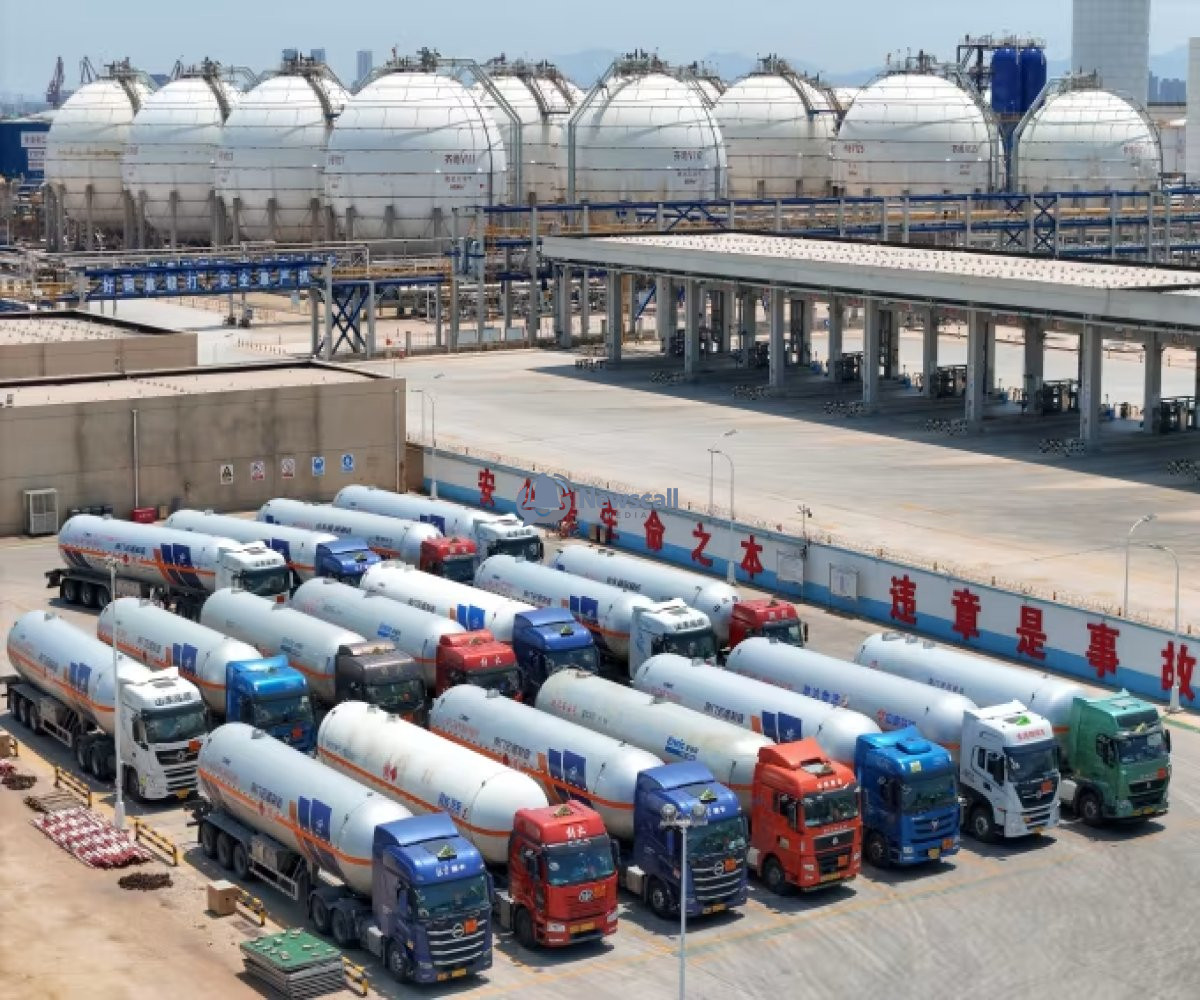
The world has been bracing for an oil shock. The war in Iran has cut off over 11 million barrels of oil per day, and the Strait of Hormuz a tiny waterway that carries one fifth of the world's oil has been effectively shut. Analysts warned prices could hit a staggering $200 a barrel.
Yet here we are, with Brent crude trading below $78.
What's going on? The answer, according to energy analysts, is China.
While American and Iranian negotiators hash out how to permanently reopen the Strait of Hormuz, the country that's been quietly holding the global oil market together isn't even at the table.
The Master Class in Oil Management:
When war broke out, China didn't panic. Instead, it executed a three pronged strategy that would make any supply chain expert proud.
First, it slashed oil imports by about 3 million barrels per day that's nearly all of Japan's daily consumption. Second, it tapped into a massive stockpile of over 1 billion barrels of oil it had been quietly building up for years, fueled by cheap Russian and Iranian oil that nobody else would touch due to sanctions. Third, it leaned hard into its electric vehicle revolution.
That last piece is crucial. With one out of every two new cars sold in China now being an electric or hybrid vehicle, the country has cut its daily oil consumption by about 1 million barrels compared to last year. As one analyst put it, the EV boom has been "a wonderful release valve" for the global crude market.
Why This Matters for Your Wallet:
So what does Chinese energy policy have to do with you? Quite a lot, actually.
China's ability to absorb the shock has kept global prices from spiraling. Remember the 1973 Arab oil embargo? A 7% supply cut caused oil prices to skyrocket 134%. This conflict has disrupted 14% of global supply twice the impact yet prices have stayed relatively contained.
"That's been critical," says Daan Walter from the energy think tank Ember. "China has played a vital role here, buffering the global economy."
The Next Wild Card:
Here's where it gets interesting and potentially tricky.
The International Energy Agency is now warning that if the Strait of Hormuz reopens quickly, we could see a massive supply glut next year. Think 100 million barrels of stranded oil suddenly flooding back into the market, plus Iran scrambling to ramp up production. The IEA predicts supply will outstrip demand by 4.7 million barrels per day.
That would be great news at the pump, but it creates a new problem: where does all that oil go?
Once again, it may come down to China. But there's a catch.
While China has been buying Iranian oil at steep discounts during the sanctions, that discount may disappear if sanctions are lifted. And it's not clear how eager China will be to restock when it's already sitting on massive reserves and pushing ahead with its clean energy transition.
A Silver Lining?
There's a longer term story here that analysts find fascinating.
The war in Iran has supercharged global interest in renewable energy, and China already the world leader in EVs, batteries, and solar is perfectly positioned to capitalize. In March alone, Chinese exports of clean energy tech hit record levels.
"Broadly speaking," says Cosimo Ries, an analyst at Trivium China, "this could be a great moment for global decarbonization."
Maybe the biggest lesson from this crisis isn't about oil at all. It's about how quickly the world's energy landscape is shifting and who's positioned to lead that shift.
Bottom line: Oil prices will go where China decides they'll go. And China's decisions these days have less to do with oil than they used to.

Umeanozie Prosper
Writer, Novelist,blogger, content creator