

Congo’s World Cup Fairytale Ends, But the Pride Lives On.
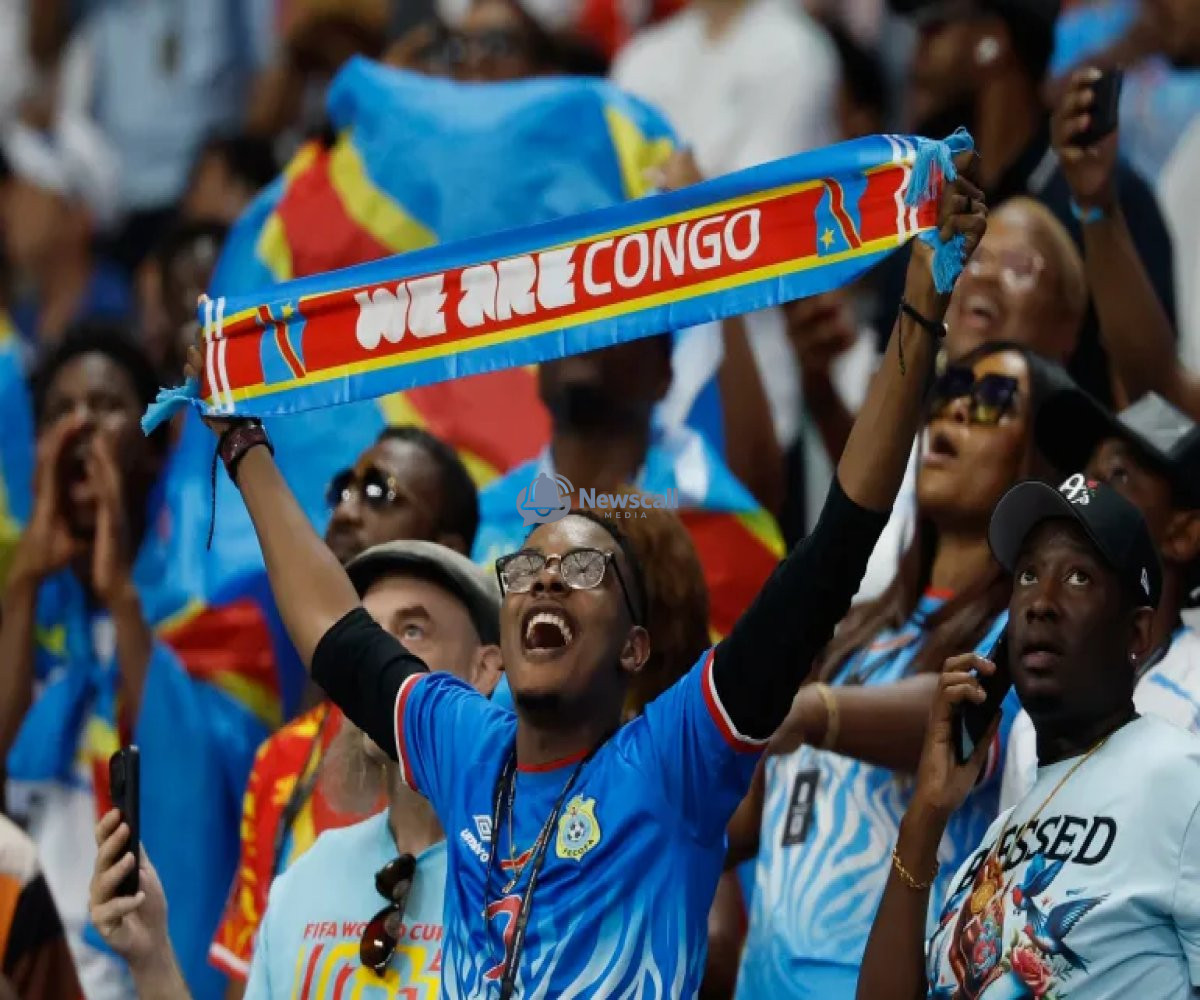
It wasn’t the ending they dreamed of, but for millions of Congolese, this World Cup was never really about the final score.
When the final whistle blew against England in Atlanta, the Leopards’ historic run was over. A 2-0 defeat in the round of 16 brought their journey to a close but not before they had done something no Congolese team had managed in over half a century. They didn't just show up; they showed they belonged.
For a country more accustomed to headlines about conflict and crisis, this tournament offered something rare: a reason to come together. And they grabbed it with both hands.
"I don’t often feel proud to be Congolese," said Héritier Muyisa, a 28 year old student from Bunia. "But during this World Cup, this team made us proud. It felt like nothing was wrong. I think I’m watching the best generation in our country’s history."
To understand just how big this moment was, you have to rewind to 1974. Back then, the country was called Zaire. They lost all three matches, didn't score a single goal, and were thrashed by Scotland, Yugoslavia, and Brazil. It was a humiliation that hung over Congolese football for decades.
"We were a great nation back then," recalled 65 year old Lukambila Jacques, who watched that campaign. "Those heavy defeats without scoring felt like a curse."
This time? Completely different.
From the qualifiers, there was a growing sense that something special was brewing. The Leopards beat Cameroon and Nigeria before overcoming Jamaica in a tense intercontinental playoff. That's when fans started to believe.
Then came the tournament itself. A battling draw with Portugal ended a 52-year wait for a World Cup goal thanks to Yoane Wissa's towering header. That moment alone sparked wild celebrations from Kinshasa to Goma.
Wissa went on to score three goals in total, making him DR Congo's top scorer in World Cup history. A record that barely existed a month ago is now his alone.
The Leopards followed that up with a win over Uzbekistan and a narrow loss to Colombia, before facing the might of England. And even in defeat, they earned respect.
"We spoke before the game about pounding the rock," said England captain Harry Kane afterward. "We knew they were going to be tough to break down and they proved it."
Coach Sébastien Desabre, visibly emotional, refused to be downbeat. "We believed we could do it, and we played a good match. In the end, we were beaten by a little bit of experience. But these players deserve so much credit for what they’ve shown."
In Bunia, the streets had been packed for every match. Against England, the crowds were quieter. When the final goal went in, cheers gave way to silence. But there was no anger only a quiet, heavy pride.
"It’s the first time I’ve heard our national anthem at a World Cup," said Cephas Agbwabe, still wearing his Leopards shirt after the match. "I hope one day I’ll tell my children that I was here to witness these moments."
The dream may be over. But the story the Leopards wrote this summer will be remembered long after the last confetti settles.

Umeanozie Prosper
Writer, Novelist,blogger, content creator