


Spain Reclaim World Cup Glory as Torres' Extra-Time Heroics End Argentina's Reign
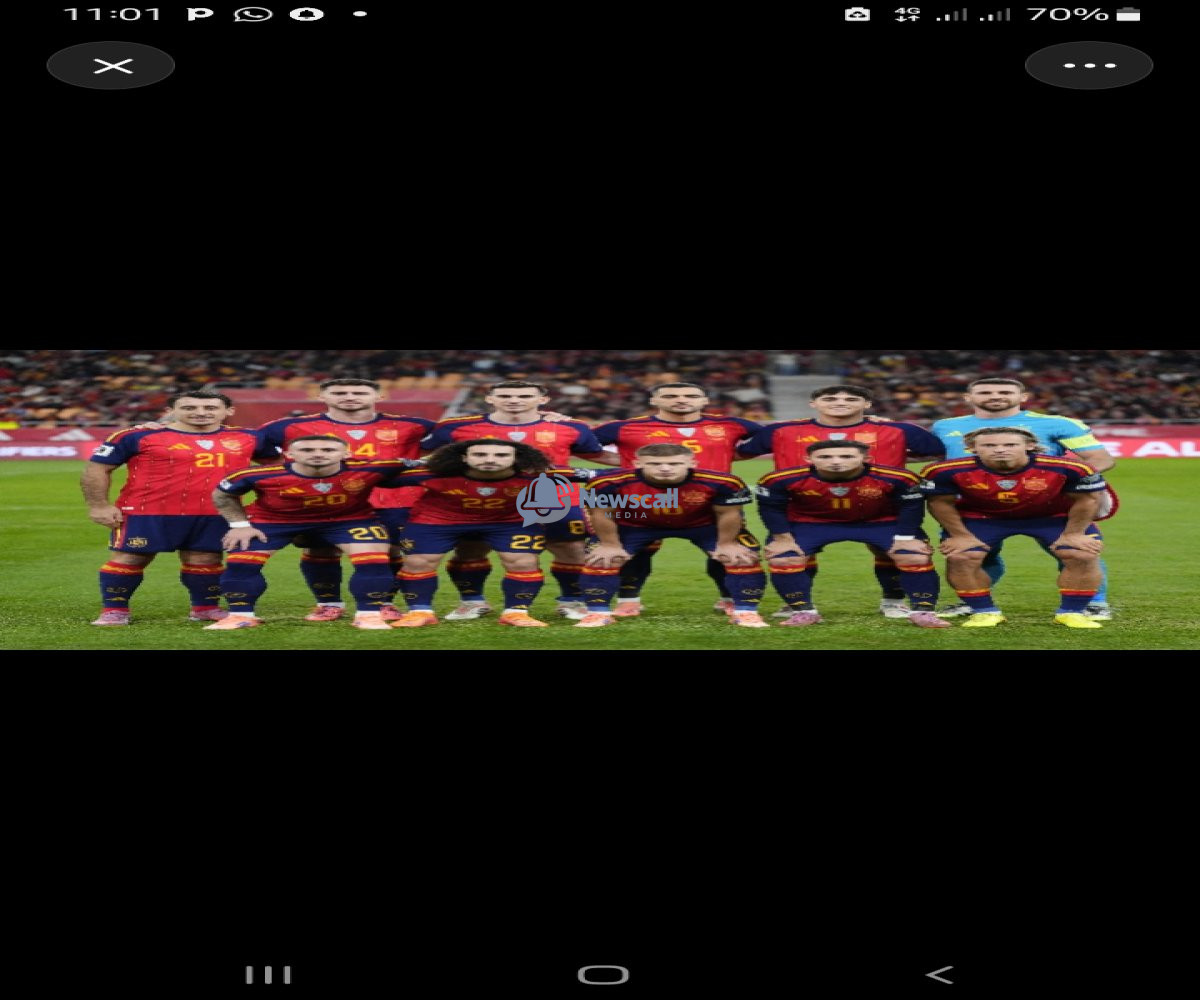
La Roja outlast reigning champions in gripping 2026 FIFA World Cup final to reclaim football's greatest prize
By Sports Desk
EAST RUTHERFORD, NEW JERSEY — Spain are champions of the world once again.
After 120 minutes of breathtaking tactical football, unwavering determination and nerve-racking drama, La Roja dethroned defending champions Argentina with a hard-fought 1–0 extra-time victory in the 2026 FIFA World Cup final, producing a performance that will be remembered as one of the most disciplined displays in modern World Cup history.
The decisive moment arrived in the 106th minute when substitute Ferran Torres pounced on a rare defensive lapse to fire home the only goal of the contest, sparking wild celebrations among Spanish players and supporters while bringing Argentina's courageous title defence to a heartbreaking end.
The victory crowned an outstanding tournament for Spain, who combined technical brilliance, tactical discipline and collective teamwork to lift football's most prestigious trophy for the second time in their history.
A Final Worthy of the World's Biggest Stage
World Cup finals are often remembered for moments of magic rather than an abundance of goals, and this contest followed that tradition.
From the opening whistle, Spain imposed their trademark possession-based style, patiently circulating the ball while searching for openings against an Argentina side renowned for its resilience and championship mentality.
Argentina, determined to retain the trophy they won four years earlier, defended with courage and organisation. Every Spanish attack was met with fearless tackles, timely interceptions and disciplined positioning, turning the final into a fascinating tactical battle rather than an open contest.
As the minutes ticked away, tension grew inside the packed New York New Jersey Stadium. Every misplaced pass, every tackle and every counterattack carried enormous significance.
Spain's Midfield Masterclass
If one area decided the final, it was the midfield.
Spain's midfield trio dictated the rhythm of play with remarkable composure, monopolising possession and forcing Argentina to spend long periods defending deep inside their own half.
Their quick passing combinations, intelligent movement and relentless pressing gradually wore down the South American champions, limiting Argentina's ability to launch sustained attacks.
Although Spain created several promising opportunities, Argentina's defensive discipline ensured the deadlock remained intact throughout normal time.
Argentina Fight Like Champions
Despite ending the evening empty-handed, Argentina left the tournament with their reputation enhanced.
The reigning champions displayed the qualities that had carried them to another World Cup final—determination, unity and remarkable defensive organisation.
Time and again, the Argentine backline denied Spain with crucial blocks and clearances, while their goalkeeper produced several important saves to keep hopes of retaining the trophy alive.
However, defending continuously against one of the world's most technically gifted teams eventually took its toll.
Torres Delivers the Defining Moment
With penalties looming, Spain finally found the breakthrough they had relentlessly pursued.
A flowing move sliced through the Argentine defence before Ferran Torres calmly finished beyond the goalkeeper in the 106th minute, sending the Spanish bench into celebration and silencing thousands of Argentine supporters.
It was a goal worthy of deciding a World Cup final—a moment of composure under immense pressure.
From then on, Spain expertly managed the remaining minutes, denying Argentina any clear route back into the contest.
Tactical Brilliance Defines Spain's Triumph
Spain's success was built on more than individual brilliance.
Their structured pressing, patient build-up play and willingness to trust their footballing philosophy ultimately proved decisive. Rather than forcing attacks, they remained calm, trusted their system and waited for the decisive opening.
Their superior squad depth also proved invaluable, with fresh legs from the bench making the difference when fatigue began to affect both teams during extra time.
The End of Argentina's Reign
For Argentina, the defeat represents the end of a memorable era as world champions.
Their campaign showcased resilience, fighting spirit and championship pedigree, but on the biggest night, Spain's control of possession and tactical execution proved just enough to separate two outstanding footballing nations.
Though the dream of back-to-back World Cup titles slipped away, Argentina depart with their status among the global game's elite firmly intact.
A New Chapter in World Football
Spain's triumph signals more than another World Cup title—it marks the arrival of a new generation capable of dominating international football for years to come.
Throughout the tournament, they demonstrated consistency, technical excellence and mental strength, qualities that culminated in lifting the FIFA World Cup trophy.
For football fans around the world, the 2026 final may not be remembered for a flood of goals, but it will stand as a masterclass in tactical football, discipline and patience.
When history recalls the night Spain reclaimed football's greatest crown, it will remember one decisive strike, one unforgettable celebration and a team whose collective brilliance restored them to the summit of world football.

EMMANUEL EBUBECHUKWU
A young boy,passionate about writing. I just write to feel happy. So help me God.