

AI Startup Aims to Replace $100,000-a-Day Ships With Autonomous Ocean Robots
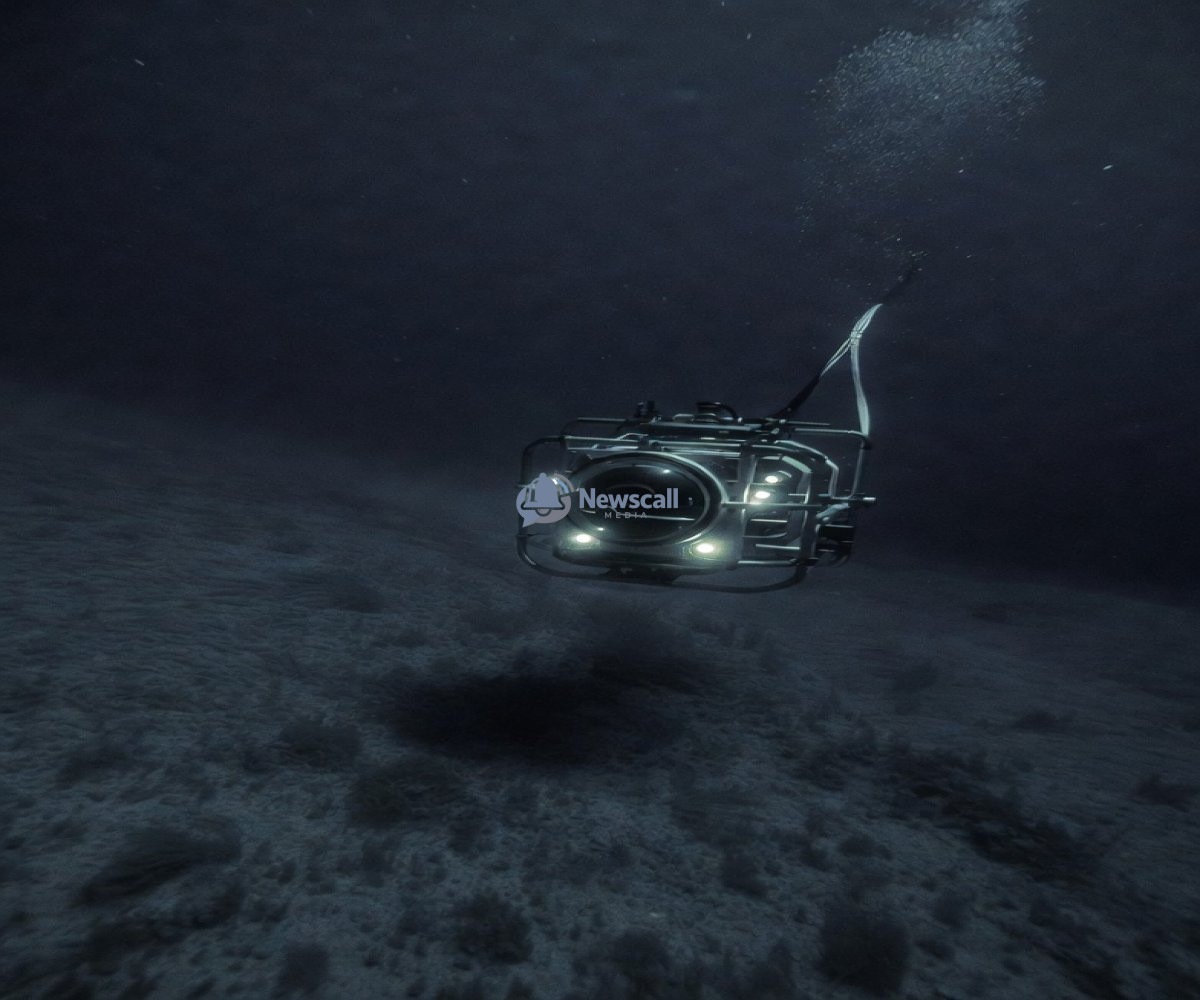
A newly revealed robotics company, Bedrock Ocean Exploration, is turning heads with an ambitious claim: expensive offshore ships—costing as much as $100,000 per day—could soon be replaced by autonomous, AI-powered robots operating beneath the ocean surface.
The startup, which recently emerged from stealth, is building underwater robotic systems designed to handle tasks traditionally carried out by large vessels, including ocean mapping, data collection, and infrastructure inspection. Instead of deploying full crews and massive ships, the company’s approach relies on smaller, intelligent machines capable of operating independently in deep-sea environments.
If successful, the shift could mark a major turning point for industries that depend heavily on offshore operations, from energy and shipping to environmental monitoring. For decades, these sectors have relied on costly, resource-intensive vessels—an approach that may soon face disruption from automation.
Supporters say the technology could dramatically cut costs and make ocean exploration more efficient and accessible. By reducing the need for fuel-heavy ships, it could also lower environmental impact while enabling more frequent and detailed data collection beneath the sea.
But the development is also raising concerns. As automation moves deeper into physical industries, questions are emerging about job displacement, reliability, and how far companies should go in replacing human-led operations with AI systems.
The announcement reflects a broader shift in the startup world, where artificial intelligence is no longer limited to software and digital tools. Instead, a new wave of companies is applying AI to real-world infrastructure—quietly transforming industries that have remained largely unchanged for decades.
While Bedrock Ocean Exploration’s technology is still in its early stages, its vision signals a future where some of the world’s most expensive operations may no longer require humans on board at all.
For many observers, the idea is both impressive and unsettling: if robots can take over the ocean, what industry could be next?

Victor Oluebubechukwu Akuma.
Creative writer