

"Lebanon in Flames: Israel’s Drone War Defies Geneva Diplomacy"
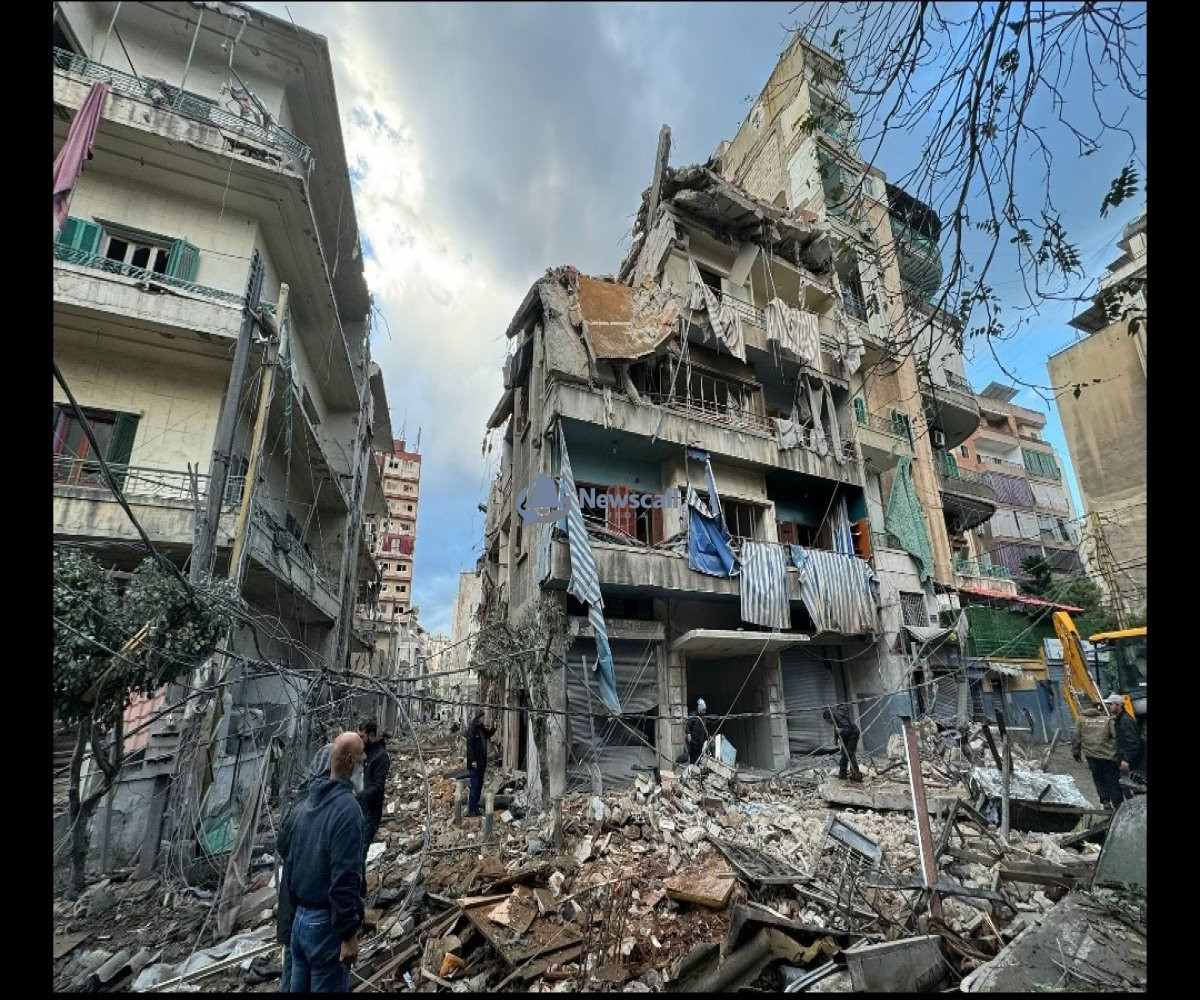
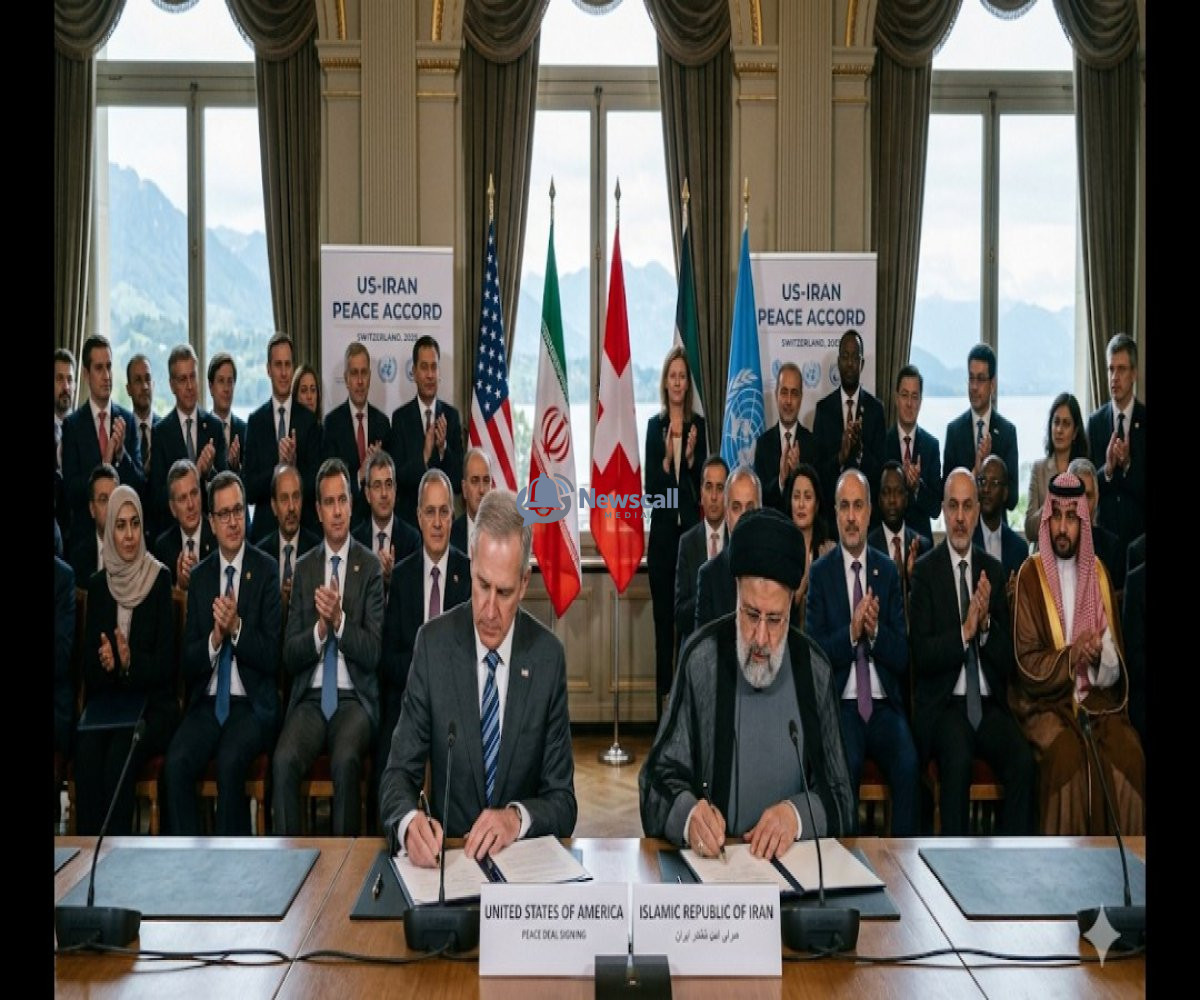
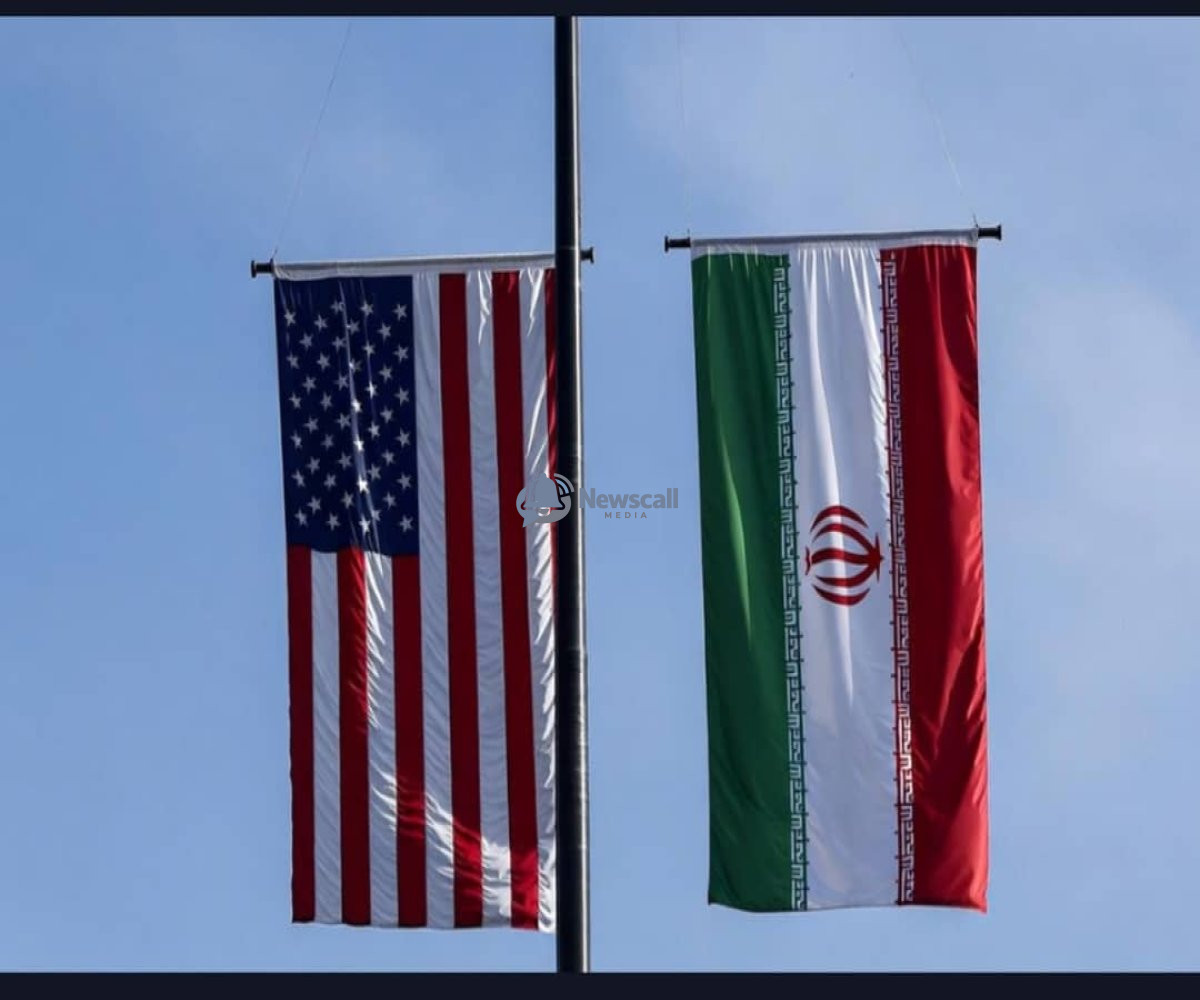
BEIRUT — While diplomats in Switzerland trade handshakes and talk of historic breakthroughs, the reality on the ground in southern Lebanon tells a completely different, much bloodier story. The ink on the US-Iran peace framework may be drying, but the fires across the Lebanese border are only burning hotter.
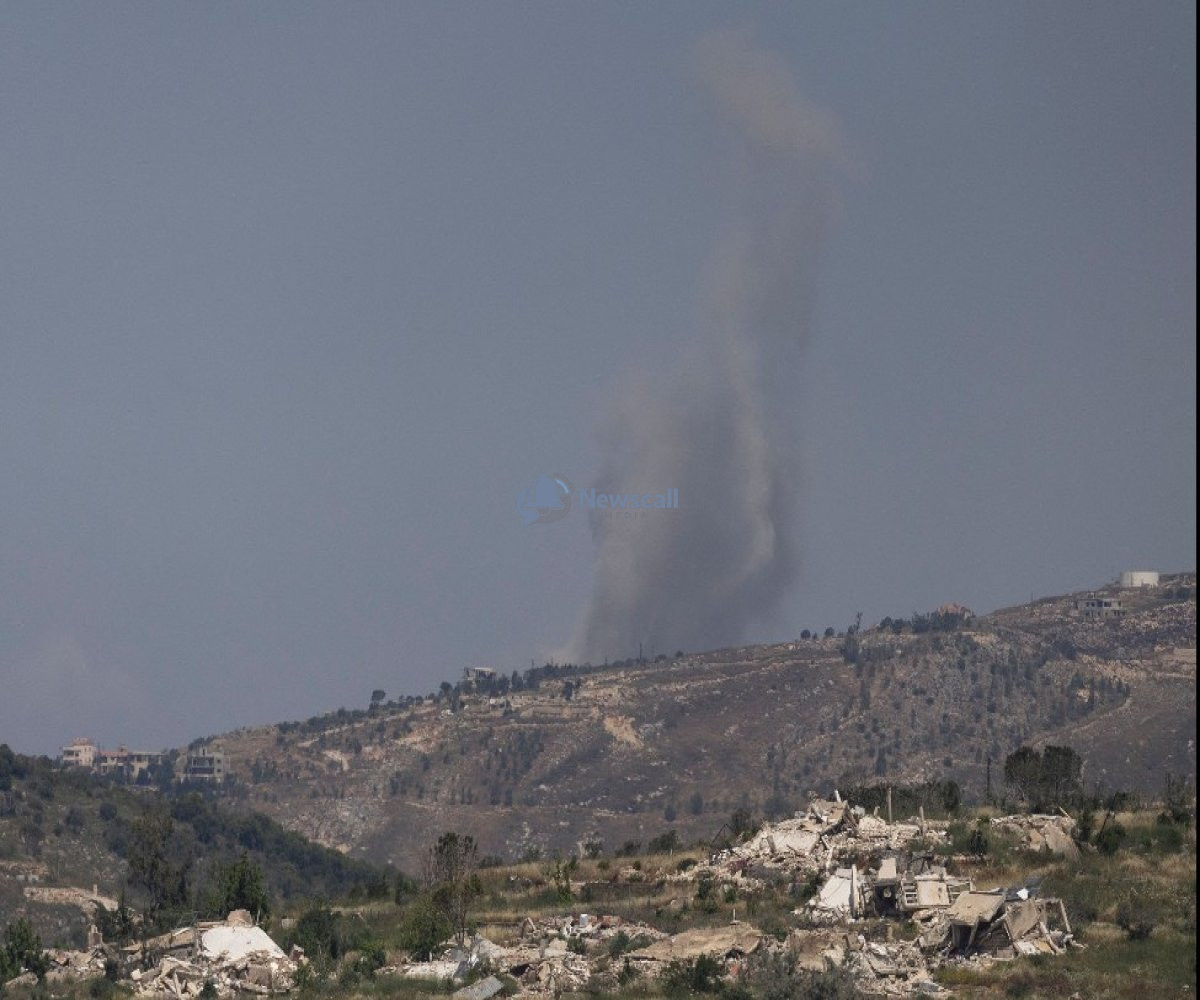
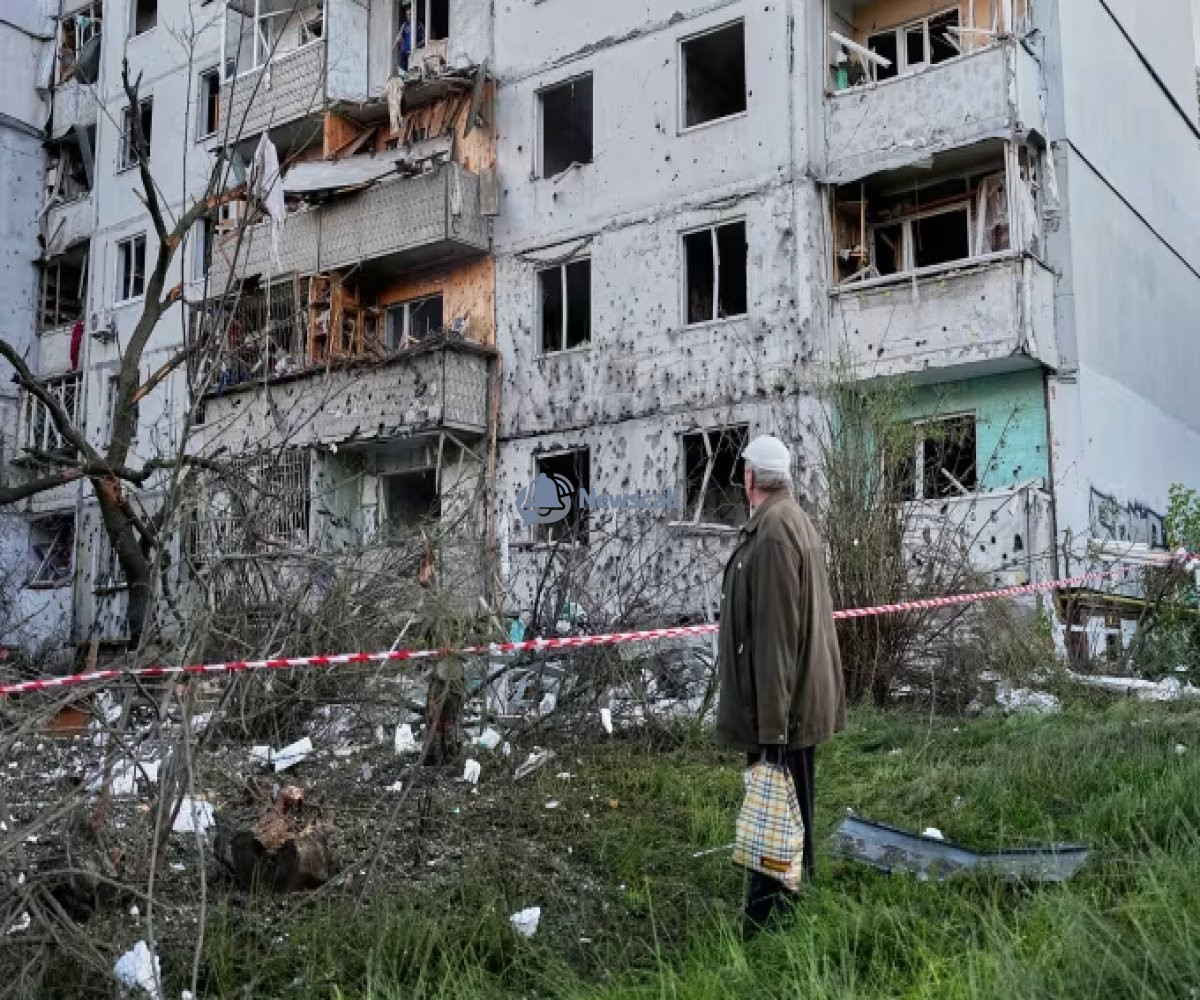
Just yesterday, on June 16, 2026, precision Israeli drone strikes tore through vehicles in the southern towns of Mayfadoun and Shoukin, leaving four more dead. It is part of a relentless aerial campaign that has left entire villages flattened, reduced neighborhoods to rubble, and turned ordinary roads into lethal danger zones.The contrast could not be more stark. In Washington and Tehran, leadership circles are trumpeting a grand ceasefire. Yet in Lebanon, 1.2 million displaced people are fleeing for their lives, and Hezbollah continues to fire retaliatory rockets back across the border.
The Defiant Spoiler: Why Israel Refuses to Stop
The greatest threat to this international peace deal is that a major regional superpower has been entirely left out of the conversation.
Israeli Prime Minister Benjamin Netanyahu has openly criticized the Swiss accord, arguing it was put together "without Israel's input." From Jerusalem's perspective, a deal signed by two faraway governments does not change the immediate threat on their northern doorstep.
Israel has made its position crystal clear:
No Withdrawal: Military leaders insist they will not pull back or stop operations in Lebanon.
Targeting Proxies: Israel views Hezbollah as an existential threat and vows to keep striking the militant group, regardless of what the US and Iran agree to in Geneva.
This creates a terrifying diplomatic paradox. The US-Iran agreement explicitly mandates a ceasefire on all fronts—including Lebanon. By ignoring it, Israel is actively testing how far it can push the limits before the entire international truce shatters.
A Nation at Breaking Point
For the citizens of Lebanon, this conflict is a tragedy layered on top of an existing disaster. Before the first bombs even fell, the country was already reeling from years of severe economic collapse, hyperinflation, and failing infrastructure. Now, it faces an outright humanitarian catastrophe.
United Nations officials have issued desperate pleas for calm, warning that the country’s fragile systems simply cannot survive a prolonged campaign. Local hospitals are overwhelmed, emergency shelters are completely full, and clean water is becoming a luxury.
The Bottom Line: Does Geneva Even Matter?
The upcoming signing ceremony in Switzerland is meant to project a image of global control and resolving conflict. But the harsh truth of modern warfare is that peace cannot be declared from a European conference room.
The ultimate credibility of this high-stakes diplomatic gamble does not depend on the signatures of foreign ministers in Geneva. It depends entirely on whether the drones stop buzzing, and whether the bombs finally stop falling over the skies of Beirut. Until then, the peace deal remains an illusion for those living on the front lines.

OKORO WILSON EGWU
“Independent journalist delivering sharp, reporting on global conflicts, humanitarian crises, and international diplomacy. Known for transforming complex world events into...