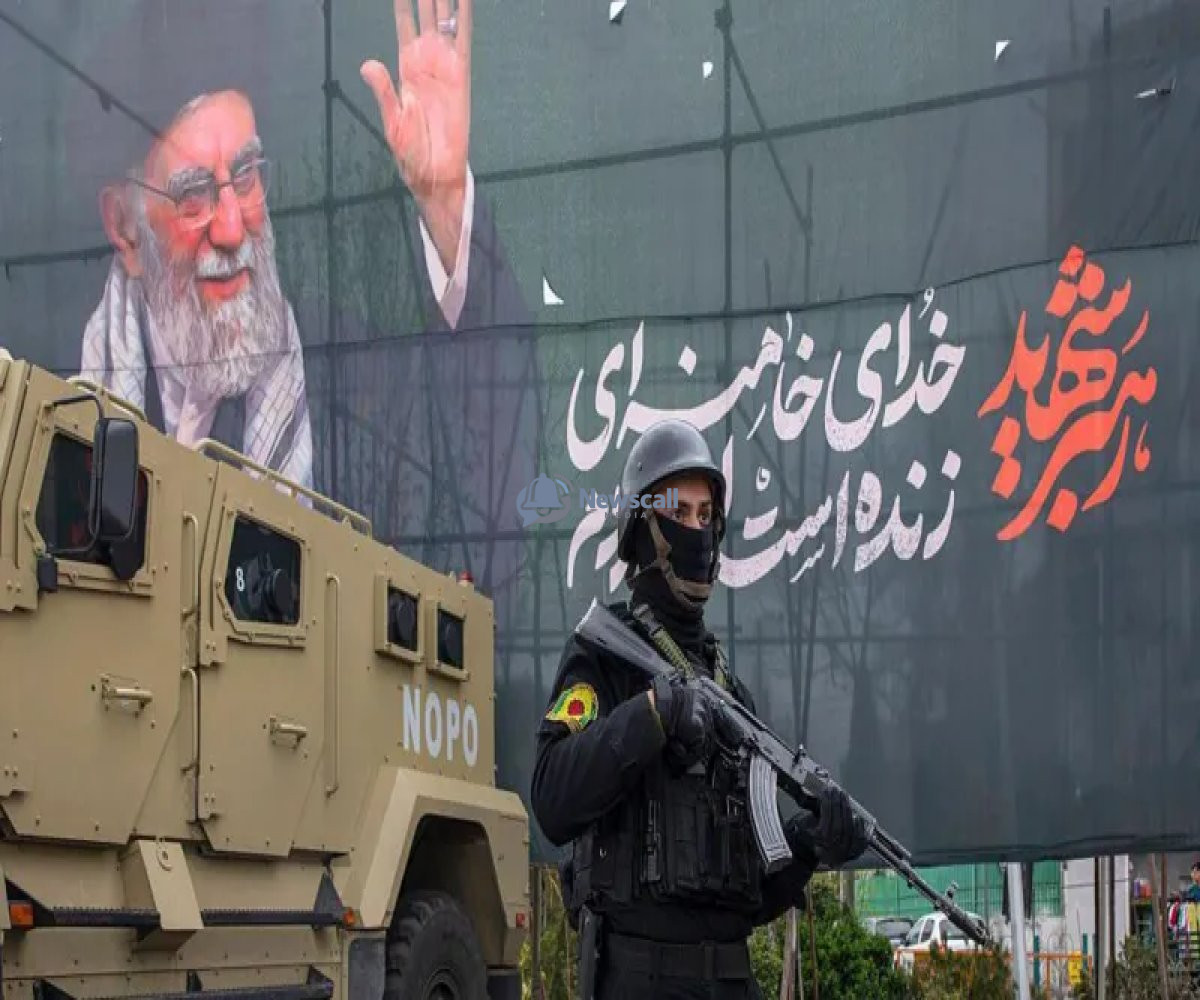


"A Flickering Hope: Inside the High-Stakes US-Iran Peace Deal"
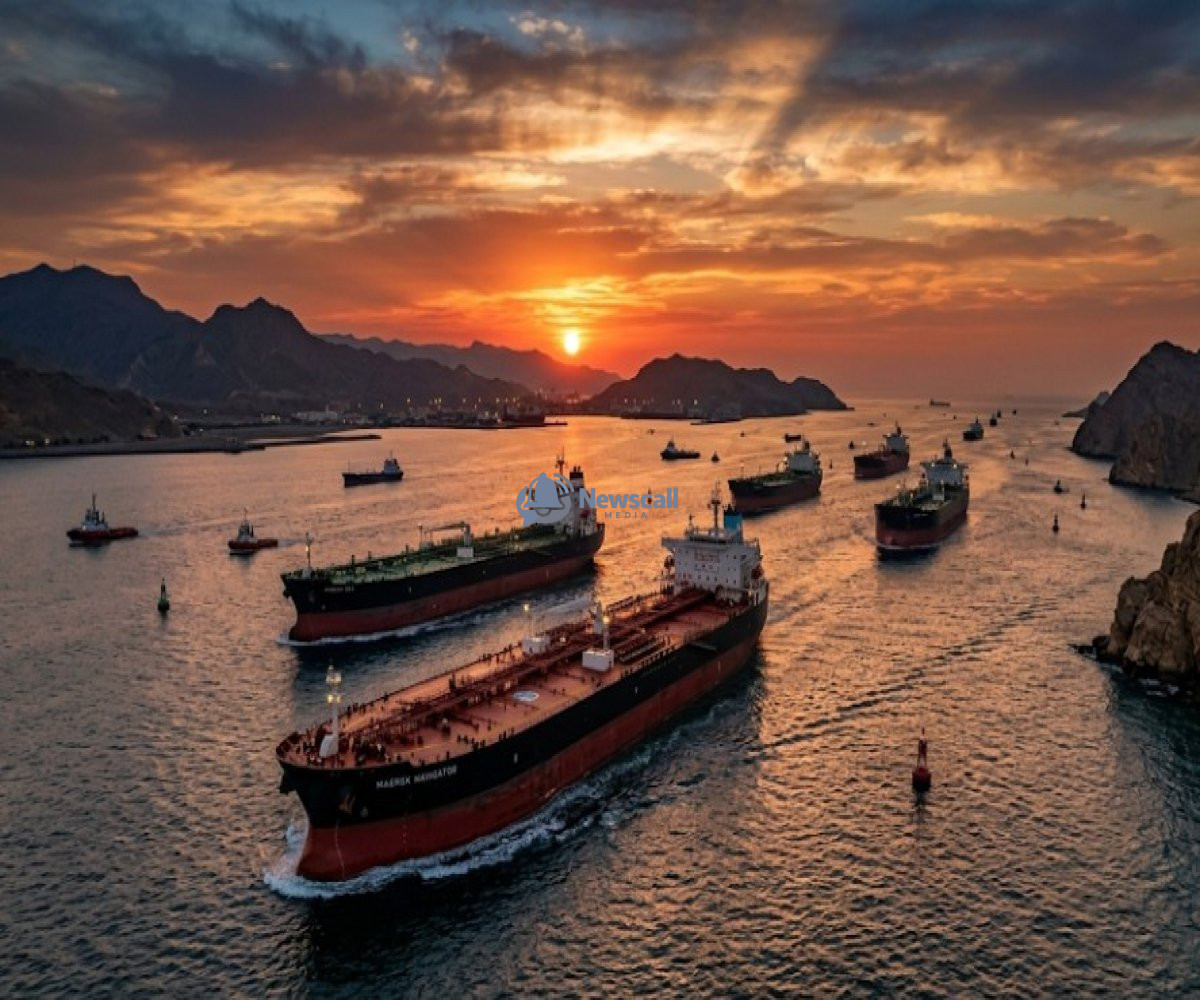
GENEVA — For months, the world has felt like it was spinning out of control. A devastating conflict in the Middle East had done what everyone feared most: it closed the Strait of Hormuz, the world’s most important shipping route for oil.
Almost overnight, 20 million barrels of daily oil trade vanished. For everyday people across the globe, the impact was immediate. Food prices soared, energy bills skyrocketed, and global inflation hit crisis levels. It felt less like a distant war and more like a global emergency.
But tomorrow, on June 19, 2026, a major breakthrough is set to happen.
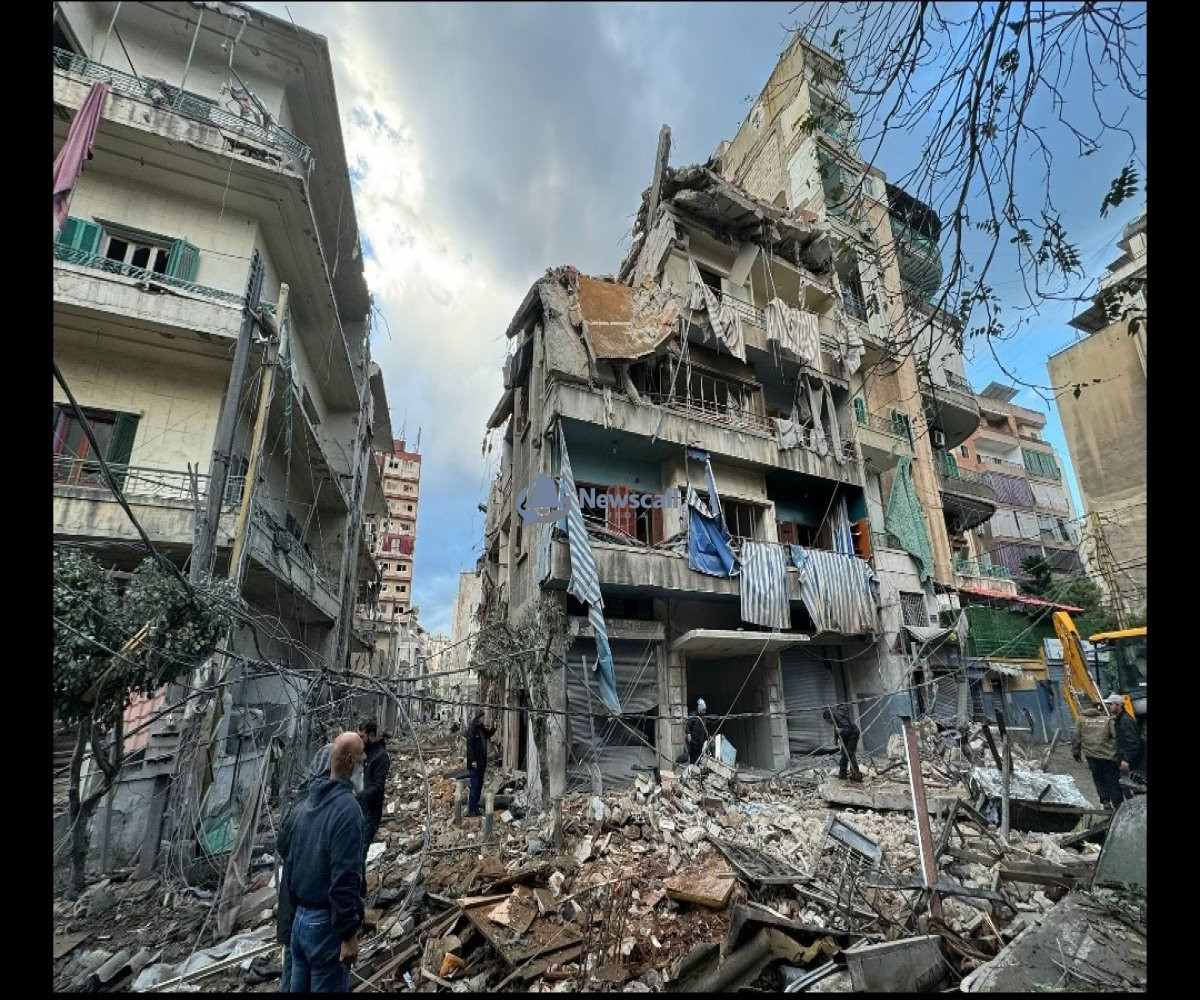
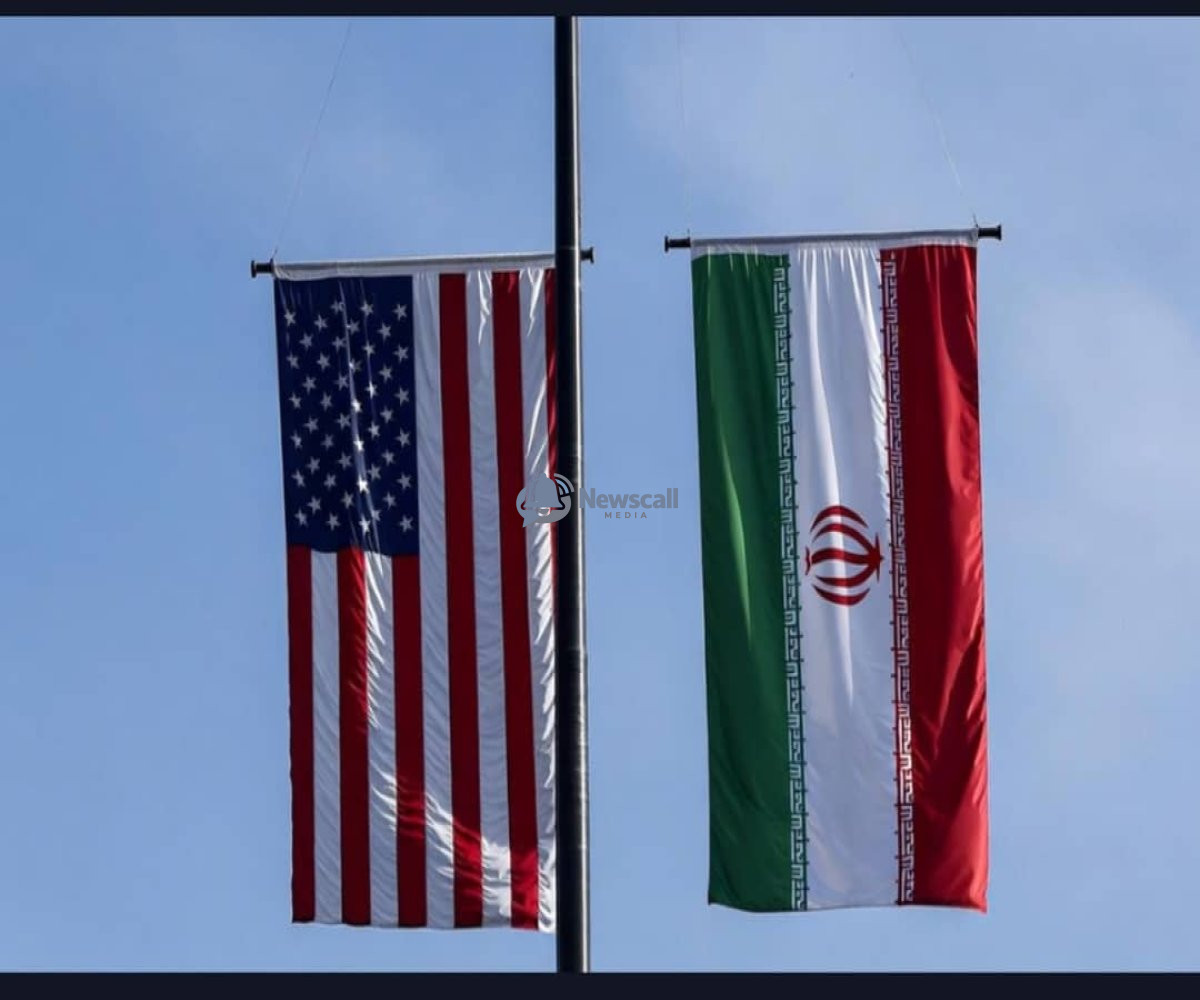
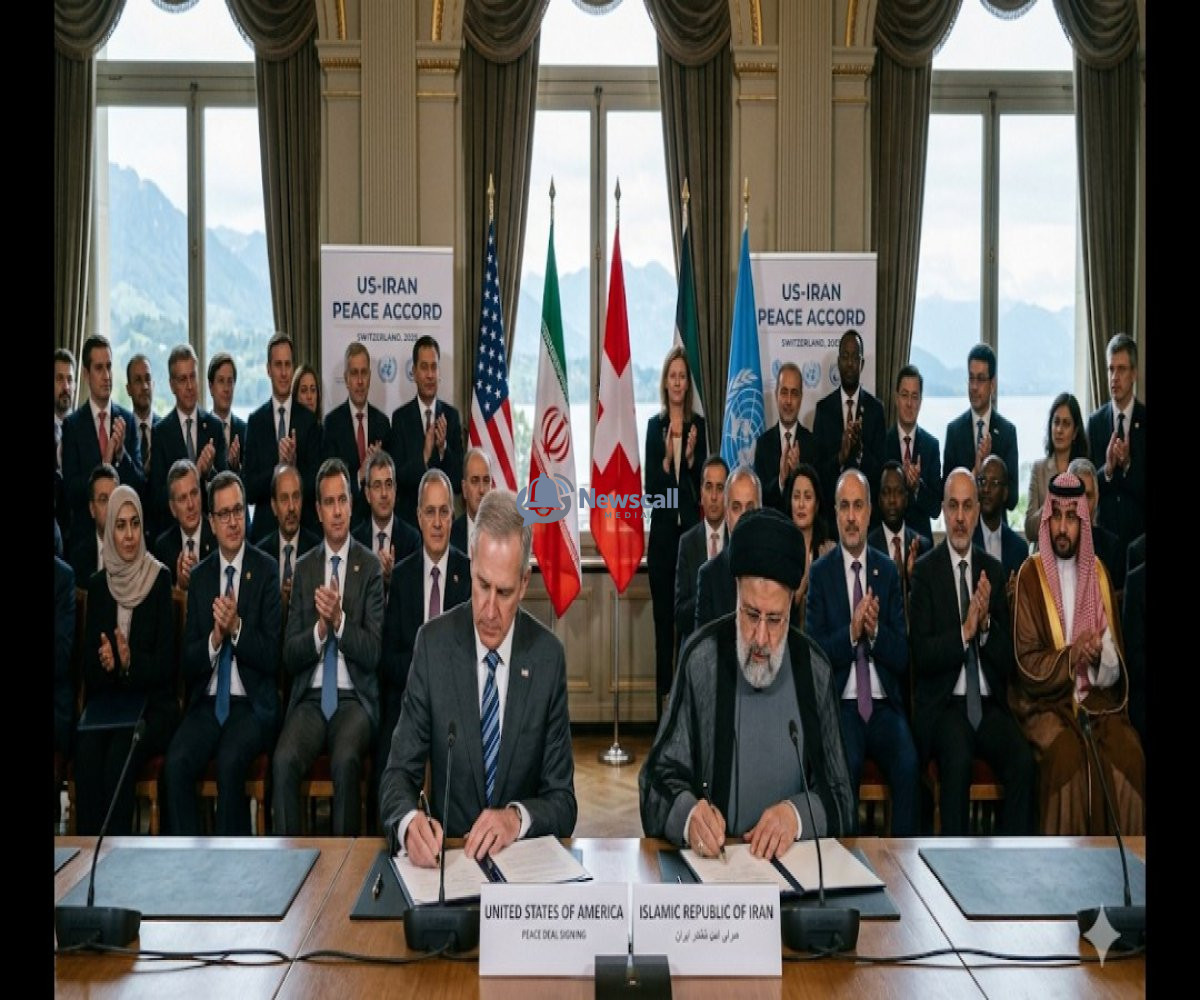
Against the quiet backdrop of Switzerland, officials from the United States and Iran are scheduled to sign a peace deal. The agreement promises an immediate and permanent ceasefire across all fronts, including the heavily hit regions of Lebanon.
It is a moment the world has been praying for—but experts warn that we shouldn't celebrate just yet.
Why Both Sides Finally Agreed to Talk
Getting the US and Iran to agree on anything is incredibly difficult. This deal only happened because four key countries—Pakistan, Qatar, Saudi Arabia, and Türkiye—worked tirelessly behind the scenes to broker the truce.
Ultimately, both sides felt the pressure:
The United States: Facing intense pressure at home over the failing economy, President Donald Trump has hailed the deal as "complete." He has already authorized the reopening of the Strait of Hormuz to get oil flowing back into the global market.
Iran: On the other side, Iran is claiming total victory. To its own citizens, the Iranian government is framing the deal as a triumph, arguing that their military strength "forced" the US to make peace.
As soon as the news broke, the global economy reacted. Stock markets went up, oil prices fell sharply, and a wave of relief washed over the financial world.
The Major Flaws: Why This Peace is So Fragile
While the world cheers, seasoned journalists and regional experts are deeply worried. This agreement is not a permanent peace treaty. Instead, it is a 60-day ceasefire framework.
Essentially, it is a timer. It gives both nations 60 days to stop fighting, but it leaves the biggest problems completely unresolved.
There are two major reasons this deal could fall apart within days:
1. The Israeli Wildcard
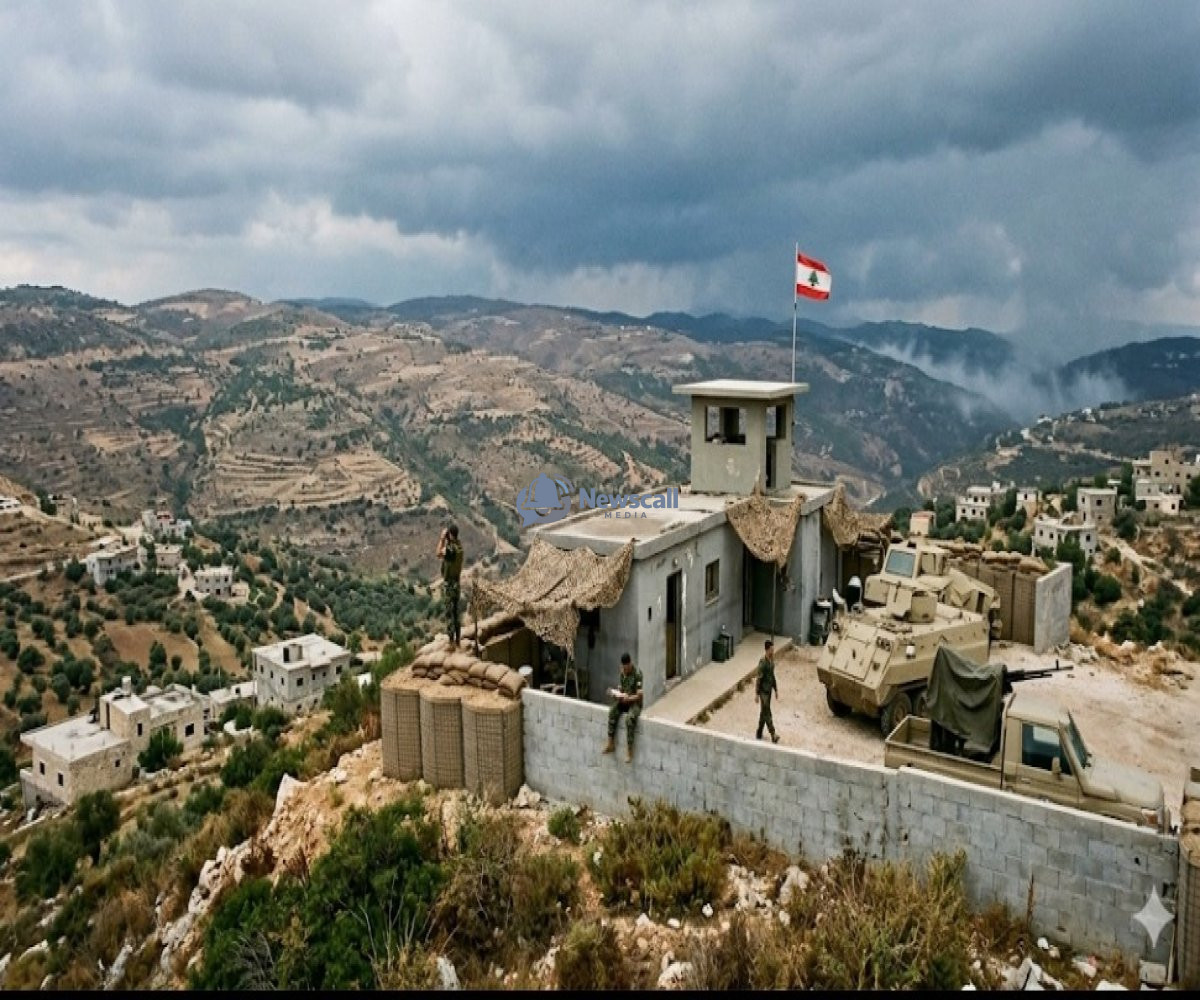
Israel is not a part of this deal, and its leaders are furious. Israel has vowed to keep launching military strikes against Hezbollah, a heavily armed group in Lebanon that is funded and backed by Iran. If Israel keeps bombing Hezbollah, Iran will likely feel forced to strike back, which would instantly break the ceasefire.
2. The Nuclear Problem
The entire war started because of Iran’s nuclear program and its attempts to build a nuclear weapon. Shockingly, this new peace deal does not mention the nuclear program at all. The negotiators simply ignored the biggest issue because it was too difficult to solve right now.
The Bottom Line: Peace or Just a Pause?
Tomorrow’s signing ceremony in Switzerland will be filled with smiles, handshakes, and historic photographs. For the average consumer hoping for lower gas prices and a return to normal life, it is a moment of genuine hope.
But beneath the celebration lies a scary reality. By ignoring Iran's nuclear ambitions and the ongoing violence between Israel and Hezbollah, this deal might not be the end of the war. Instead, it might just be a 60-day intermission before the next storm hits.

OKORO WILSON EGWU
“Independent journalist delivering sharp, reporting on global conflicts, humanitarian crises, and international diplomacy. Known for transforming complex world events into...