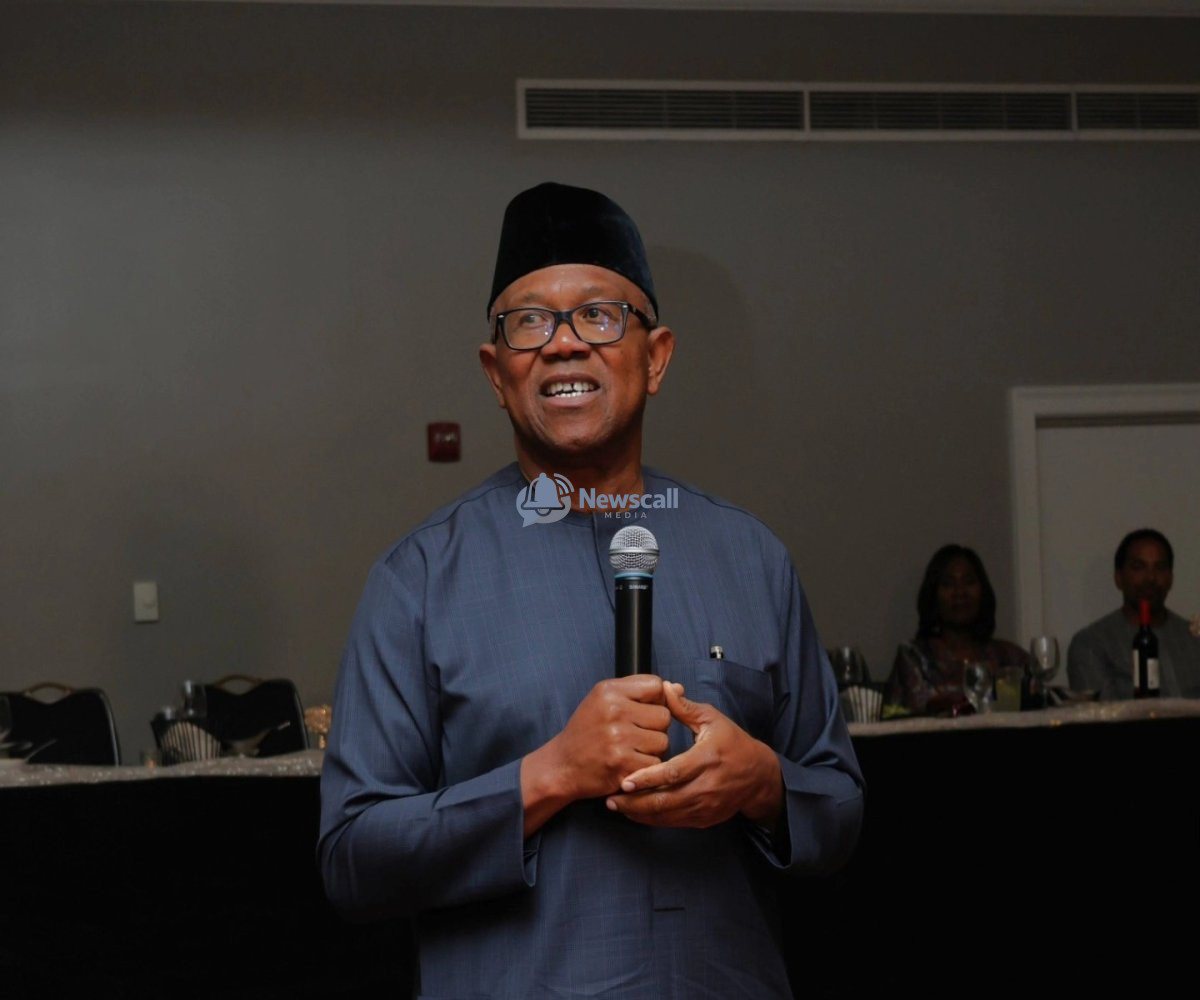


APC Rejects Calls for Tinubu’s Resignation as Opposition Intensifies Pressure Over Insecurity
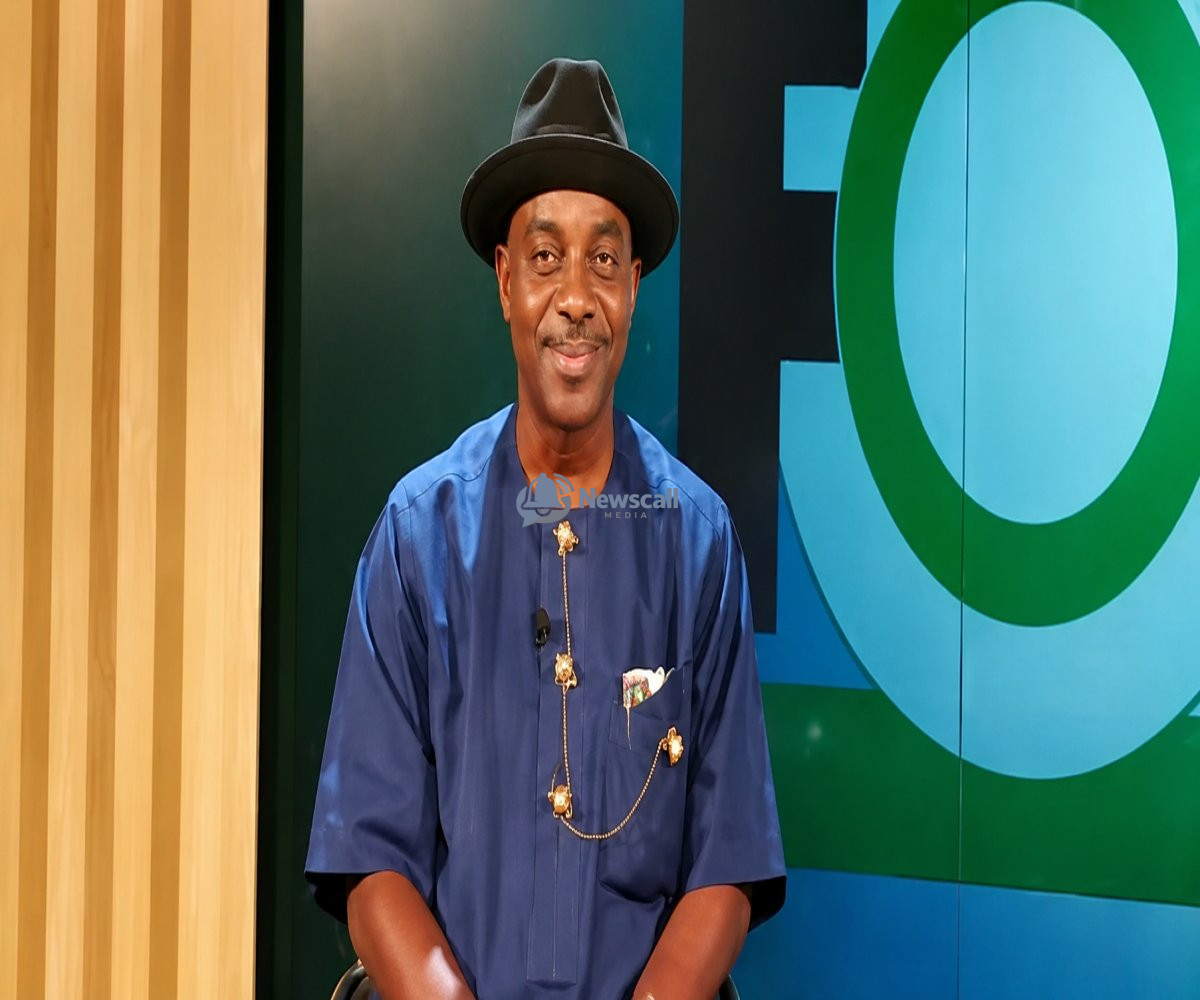
APC Rejects Calls for Tinubu’s Resignation as Opposition Intensifies Pressure Over Insecurit
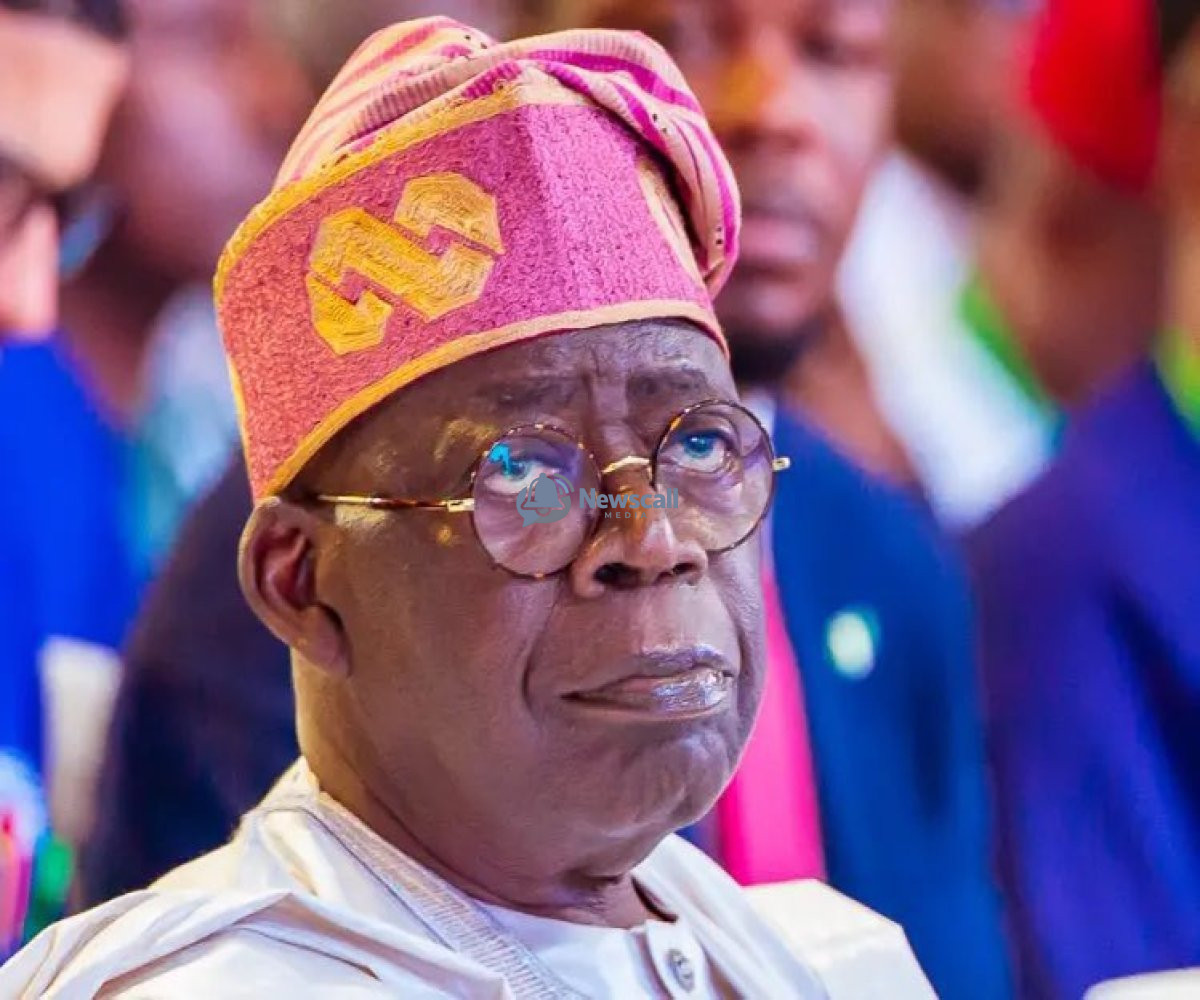
Nigeria’s growing insecurity crisis has triggered a fresh political confrontation, with opposition parties backing a demand by the House of Representatives Minority Caucus for President Bola Ahmed Tinubu to suspend political activities linked to the 2027 elections and focus fully on national recovery.
The ruling All Progressives Congress (APC), however, strongly rejected calls suggesting that the President should resign or step aside, describing the position as politically driven, unfair, and disconnected from the realities confronting Nigeria and other nations globally.
The exchange reflects increasing national concern over persistent insecurity, economic hardship, and public expectations as the administration enters another critical phase of governance.
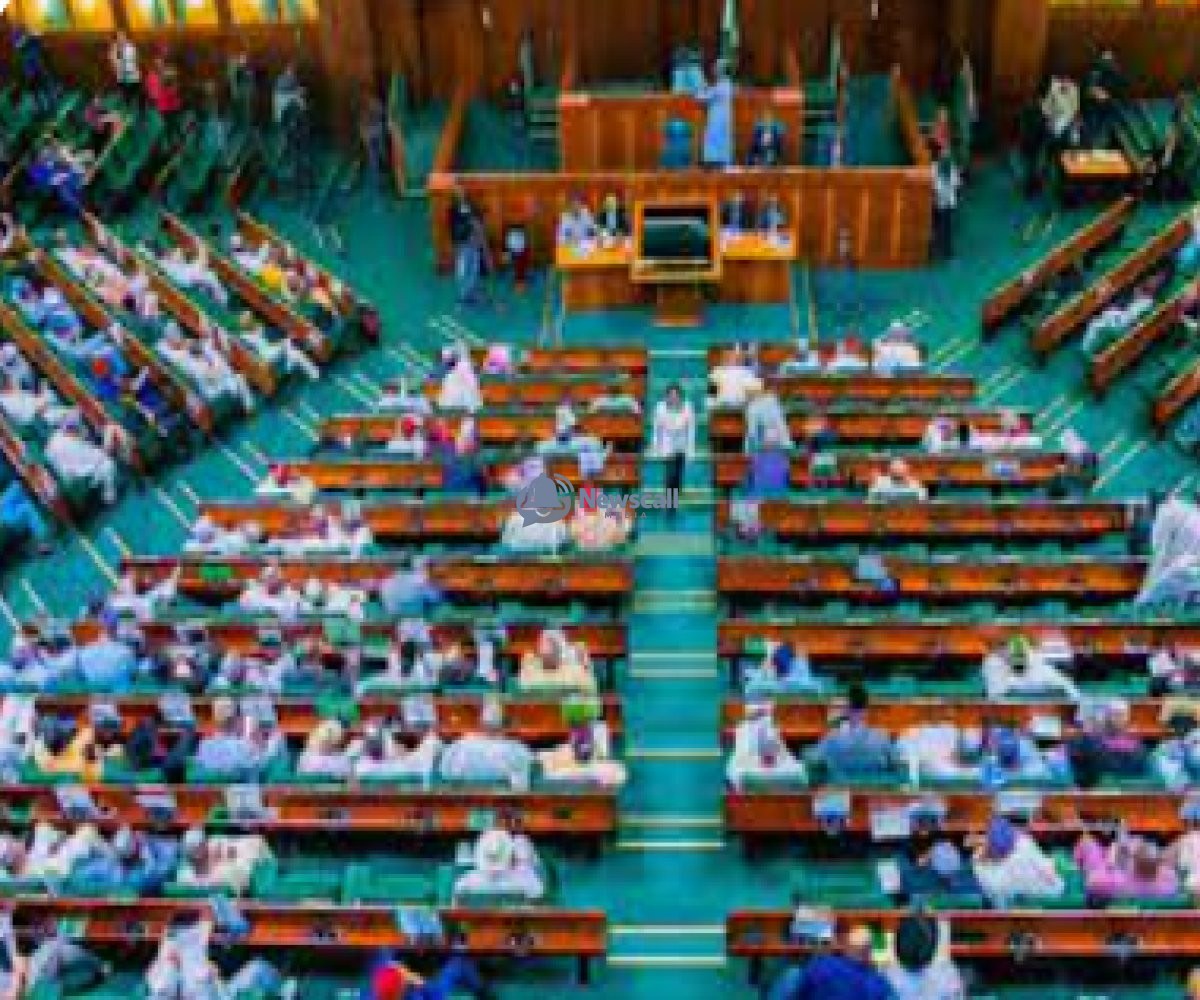
The controversy began after the House of Representatives Minority Caucus, led by Minority Leader Fred Agbedi, accused the Federal Government of placing political calculations ahead of governance.
Addressing journalists in Abuja, Agbedi argued that Nigeria was experiencing one of its most difficult periods since democratic rule returned in 1999. The caucus cited worsening insecurity, economic strain, and declining public confidence in government institutions.
As part of its recommendations, the caucus proposed that President Tinubu temporarily suspend political engagements connected to 2027 and introduce a six-month National Security and Economic Recovery Plan focused on stabilising the country.
The caucus insisted that government must prioritise protecting lives and restoring economic confidence before election politics. Reports from the briefing emphasised calls for security restructuring and urgent intervention measures.
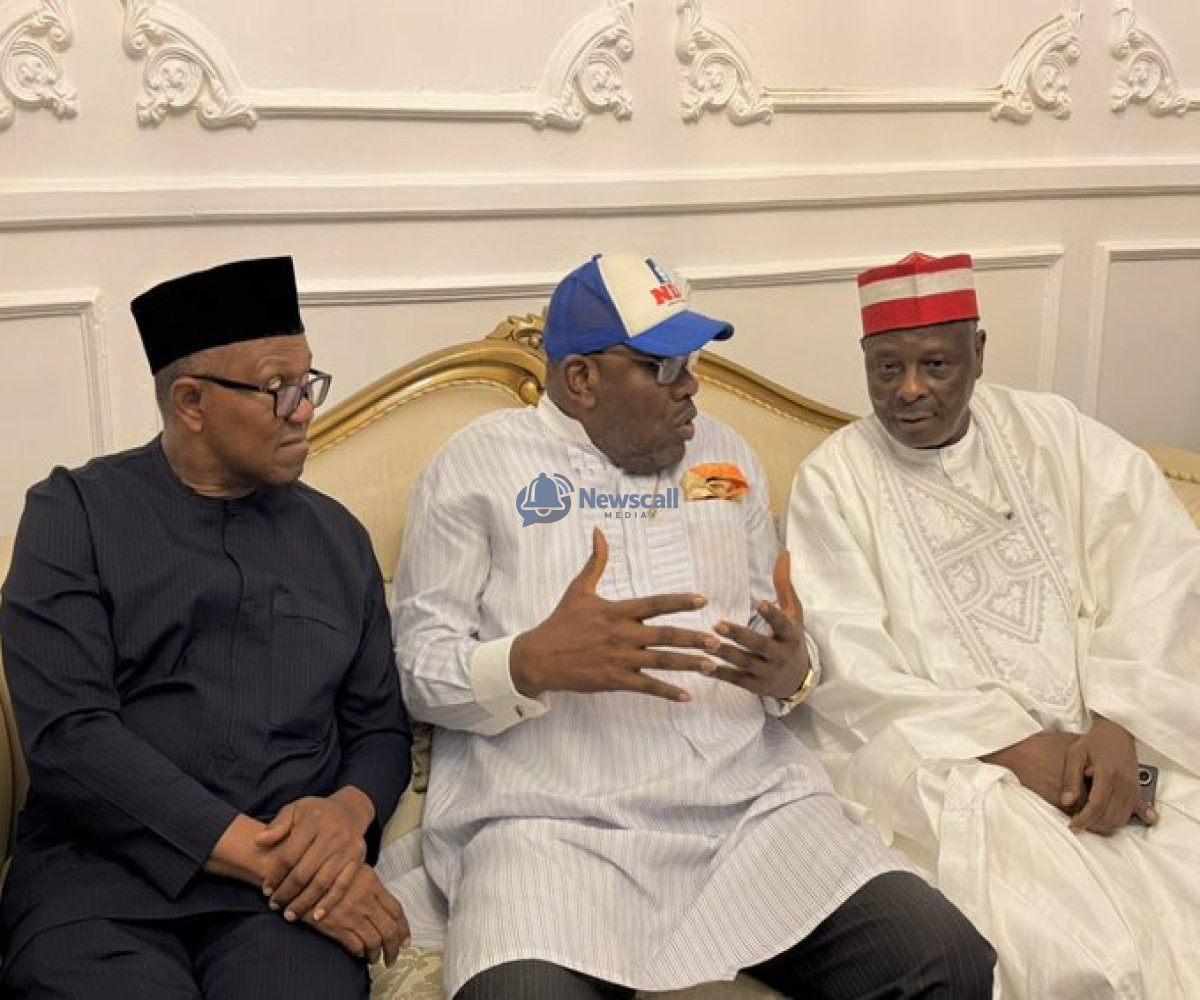
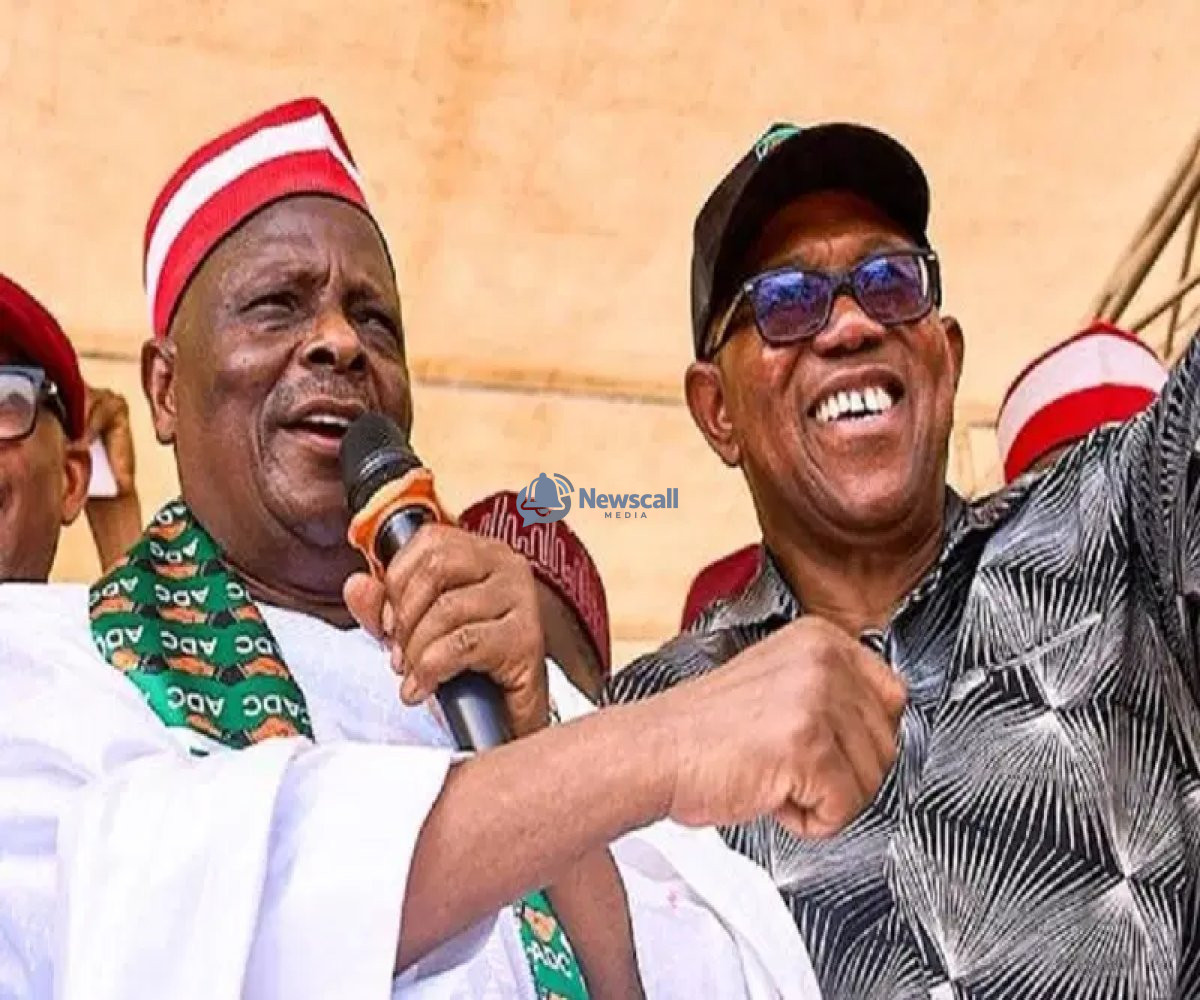
Opposition parties quickly aligned with the position.
The African Democratic Congress (ADC), through its National Publicity Secretary Bolaji Abdullahi, said the minority caucus merely reflected public frustrations, arguing that current security responses have not produced expected outcomes.
The Social Democratic Party (SDP), represented by spokesperson Rufus Aiyenigba, also criticised what it described as underperformance in meeting constitutional obligations relating to citizens’ welfare and security.
Similarly, voices within the Nigeria Democratic Congress (NDC) and the Democratic Leadership Alliance (DLA) supported calls for stronger national action, maintaining that insecurity had reached levels requiring extraordinary policy attention.
However, not all opposition figures supported suspending political processes.
President of the Nigerian Bar Association (NBA), Afam Osigwe (SAN), warned against linking insecurity with halting democratic activities. According to him, elections and campaigns remain essential accountability mechanisms through which citizens evaluate leadership performance.
Responding to the criticism, APC Director of Publicity Bala Ibrahim dismissed suggestions that Nigeria was approaching state failure or that President Tinubu should resign.
According to Ibrahim, security and economic pressures are not exclusive to Nigeria and are being experienced globally.
He argued that the administration remains committed to governance and ongoing reforms aimed at improving national stability.
The APC maintained that calls for resignation were premature and counterproductive, stressing that constructive engagement and national cooperation would produce better outcomes than political confrontation.
Security remains one of Nigeria’s most persistent governance challenges.
For more than two decades, parts of the country—particularly in the North—have faced threats from insurgency, banditry, kidnapping networks, and organised criminal groups. Despite repeated military operations and security reforms across successive administrations, attacks and displacement continue to affect communities across several regions.
Recent debates in the National Assembly have increasingly focused on whether existing security strategies are producing measurable outcomes and whether stronger coordination between political leadership, security agencies, and state institutions is needed.
The current debate also highlights a broader political question: whether governance priorities should temporarily outweigh electoral positioning as Nigeria gradually approaches the 2027 election cycle.
At the same time, constitutional and democratic voices continue to argue that elections and political competition remain necessary instruments for accountability and public participation.
The latest exchange between the APC and opposition parties illustrates the deepening national conversation over security, governance, and political responsibility.
While opposition groups argue that extraordinary measures are needed to confront insecurity and economic hardship, the ruling party insists that ongoing efforts should be supported rather than politicised.
As pressure mounts, public expectations remain focused on one central question: whether government actions in the coming months will translate into improved security conditions and renewed public confidence.
In Reference to;
Premium Times Nigeria — “Opposition lawmakers accuse Tinubu of prioritising 2027 over raging national crises.” Published June 17, 2026.

Nwekwe Esther Amarachukwu
Public speaker,Research-driven writer covering politics and public affairs, committed to accuracy, and meaningful public discourse.