

The Invention That Saved More Lives Than Any Medicine
When people think about life-saving inventions, they usually think of medicines.
Penicillin.
Vaccines.
Insulin.
Antibiotics.
These breakthroughs have undoubtedly saved millions of lives.
But what if the greatest life-saving invention in human history wasn't a medicine at all?
What if it was something so ordinary that most people use it every day without giving it a second thought?
The answer might surprise you.
It isn't a pill.
It isn't a surgery.
It isn't even a medical device.
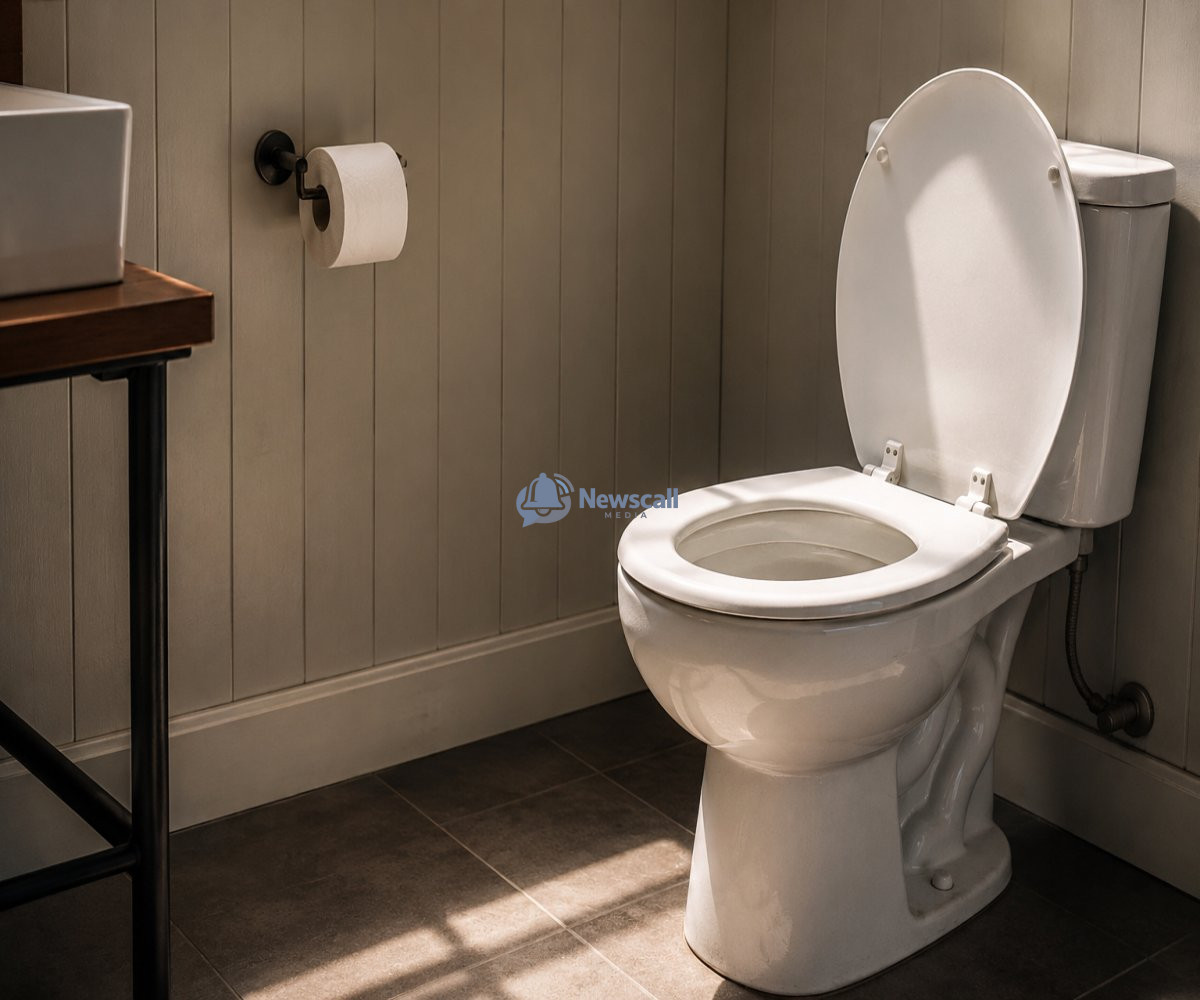
It's the modern toilet.
More specifically, the sanitation systems connected to it.
At first glance, that sounds impossible.
How could toilets save more lives than medicine?
The answer lies in a simple truth that shaped human history for thousands of years.
For most of civilization, people didn't die because doctors lacked skill.
They died because disease spread everywhere.
Imagine living in a city where human waste flowed through the streets.
Imagine drinking water from sources contaminated by sewage.
Imagine having no reliable way to separate clean water from harmful bacteria.
For much of human history, this wasn't imagination.
It was reality.
Before modern sanitation, cities were incredibly dangerous places.
The larger they became, the worse the problem grew.
As populations increased, so did waste.
Without proper sewage systems, disease spread rapidly through water supplies and living environments.
Outbreaks of cholera, typhoid fever, dysentery, and countless other illnesses became common.
Entire communities could be devastated within weeks.
People often blamed bad air, curses, or supernatural forces.
They didn't yet understand the true cause.
The turning point came during the nineteenth century.
Scientists and public health experts began connecting disease outbreaks to contaminated water and poor sanitation.
One of the most famous examples occurred in London in 1854.
A physician named John Snow investigated a deadly cholera outbreak.
By carefully mapping cases, he traced the source to a contaminated public water pump.
It was a revolutionary discovery.
For one of the first times, evidence clearly showed that disease could spread through polluted water.
The implications were enormous.
If contaminated water caused disease, then preventing contamination could save lives.
Cities around the world slowly began investing in sewer systems, wastewater treatment facilities, and modern plumbing networks.
The results were extraordinary.
Death rates began falling.
Life expectancy increased.
Outbreaks that once killed thousands became less frequent.
Entire generations grew up healthier than those before them.
What's remarkable is that sanitation doesn't cure disease.
Instead, it prevents disease from spreading in the first place.
That distinction matters.
A medicine helps after a person becomes sick.
Sanitation stops countless people from becoming sick at all.
It's a silent form of protection.
Most people never notice it because it works in the background.
Every time wastewater disappears down a drain, an enormous infrastructure system begins operating behind the scenes.
Pipes transport waste away from homes and businesses.
Treatment facilities remove harmful contaminants.
Clean water systems deliver safe drinking water back to communities.
It's one of humanity's greatest engineering achievements.
And one of its most overlooked.
The numbers are staggering.
Public health researchers estimate that improvements in sanitation and clean water have saved hundreds of millions of lives over the past two centuries.
Many historians argue that sanitation has contributed more to increases in human life expectancy than almost any individual medical treatment.
Think about that for a moment.
The greatest life-saving invention may not be found in a hospital.
It may be found in nearly every building on Earth.
Modern sanitation also transformed childhood survival.
Before clean water and effective sewage systems, children were especially vulnerable to diseases spread through contaminated environments.
Many never reached adulthood.
As sanitation improved, childhood mortality rates fell dramatically.
Families became healthier.
Communities became stronger.
Entire societies benefited.
The impact extended beyond health.
Cleaner cities became more productive.
Economic growth accelerated.
Education improved as fewer people were forced to miss school because of illness.
The ripple effects touched nearly every aspect of human civilization.
Perhaps the most fascinating part of the story is how invisible the system has become.
People celebrate new smartphones.
They admire skyscrapers.
They marvel at rockets.
Yet few stop to appreciate the complex networks quietly protecting them every day.
When sanitation works properly, nobody notices.
When it fails, the consequences become obvious very quickly.
Even today, billions of people around the world still lack access to safely managed sanitation systems.
According to global health organizations, preventable waterborne diseases continue to claim lives every year.
This means the story of sanitation isn't just history.
It's still one of the most important challenges facing humanity.
Engineers, scientists, and public health experts continue working to bring clean water and safe sanitation to more communities.
Every improvement saves lives.
Every new system protects future generations.
The next time you wash your hands, flush a toilet, or drink a glass of clean water, consider the hidden infrastructure making it possible.
It's easy to overlook because it feels normal.
But for most of human history, it wasn't.
Civilizations have been transformed by inventions both large and small.
Some changed how we communicate.
Some changed how we travel.
Some changed how we work.
But few have changed how long we live.
The invention that saved more lives than any medicine wasn't designed to impress people.
It wasn't built to inspire awe.
It was built to solve a problem.
And in doing so, it quietly became one of the most important inventions humanity has ever created.

Victor Oluebubechukwu Akuma.
Creative writer