

The Beijing Manifesto: China’s Grand Blueprint to Remake Global Governance
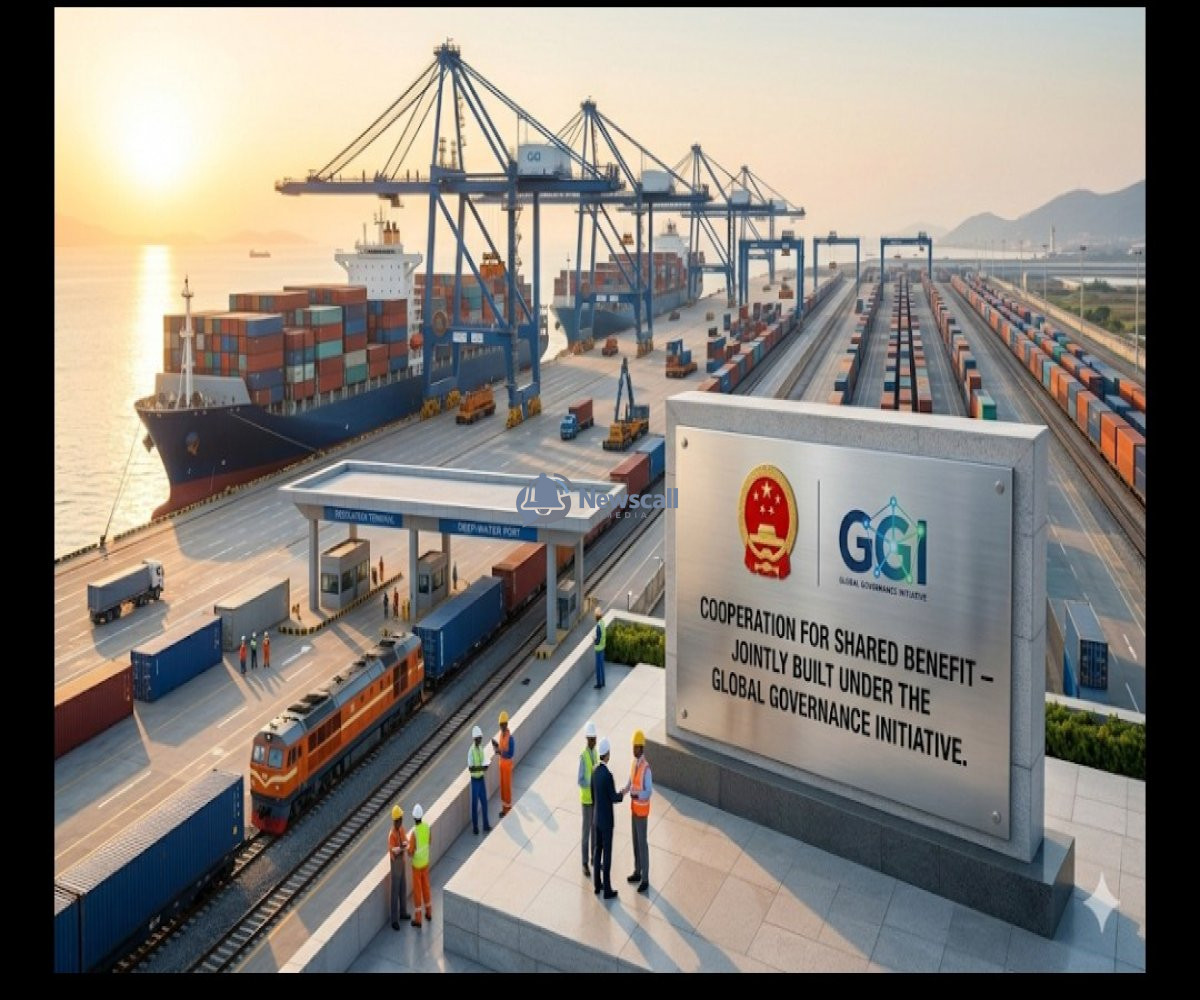
When President Xi Jinping unveiled his comprehensive vision on June 17, 2026, it was more than just a policy document. It was a clear signal that the era of uncontested Western institutional leadership is closing.
On a crisp June morning in Beijing, the political tectonic plates shifted. Inside the Great Hall of the People, China released its definitive white paper: “More Just and Equitable Global Governance: China’s Principles, Proposals and Actions.”
While the title sounds diplomatic, the content is revolutionary. This was Beijing’s manifesto for the future.
In a world still reeling from a succession of fractures—brutal conflicts, lingering pandemic effects, and accelerating climate crises—China did not just offer a critique. It positioned itself as the architect of a new global architecture.
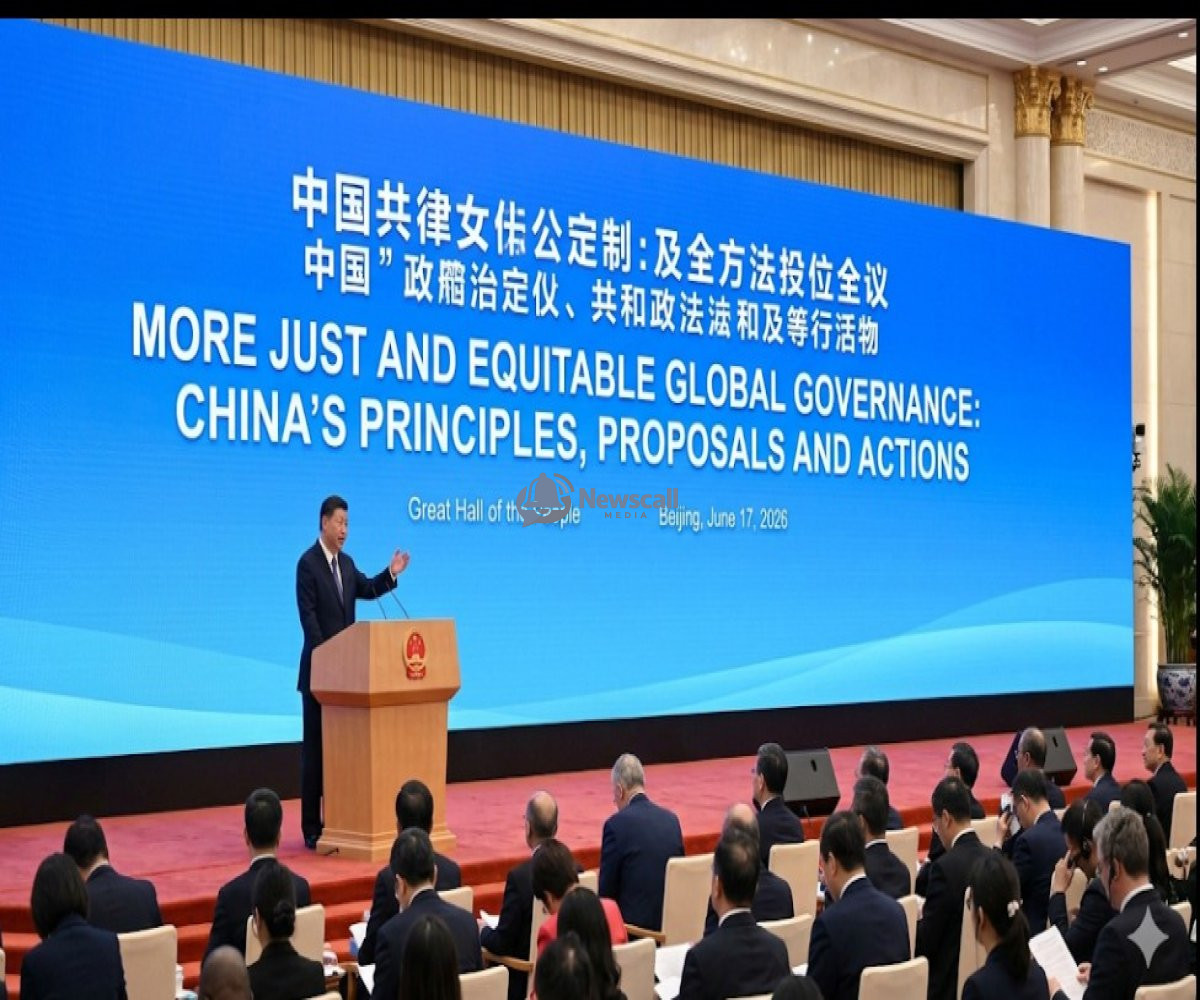
At the heart of this blueprint is the Global Governance Initiative (GGI), a strategic framework already formally backed by 160 nations. It promises to deliver a truly multipolar world, built on what Beijing terms “true multilateralism.” This isn’t a subtle pitch; it is China’s boldest claim yet to moral leadership on the world stage.
Diagnosing the Crisis, Offering the Cure
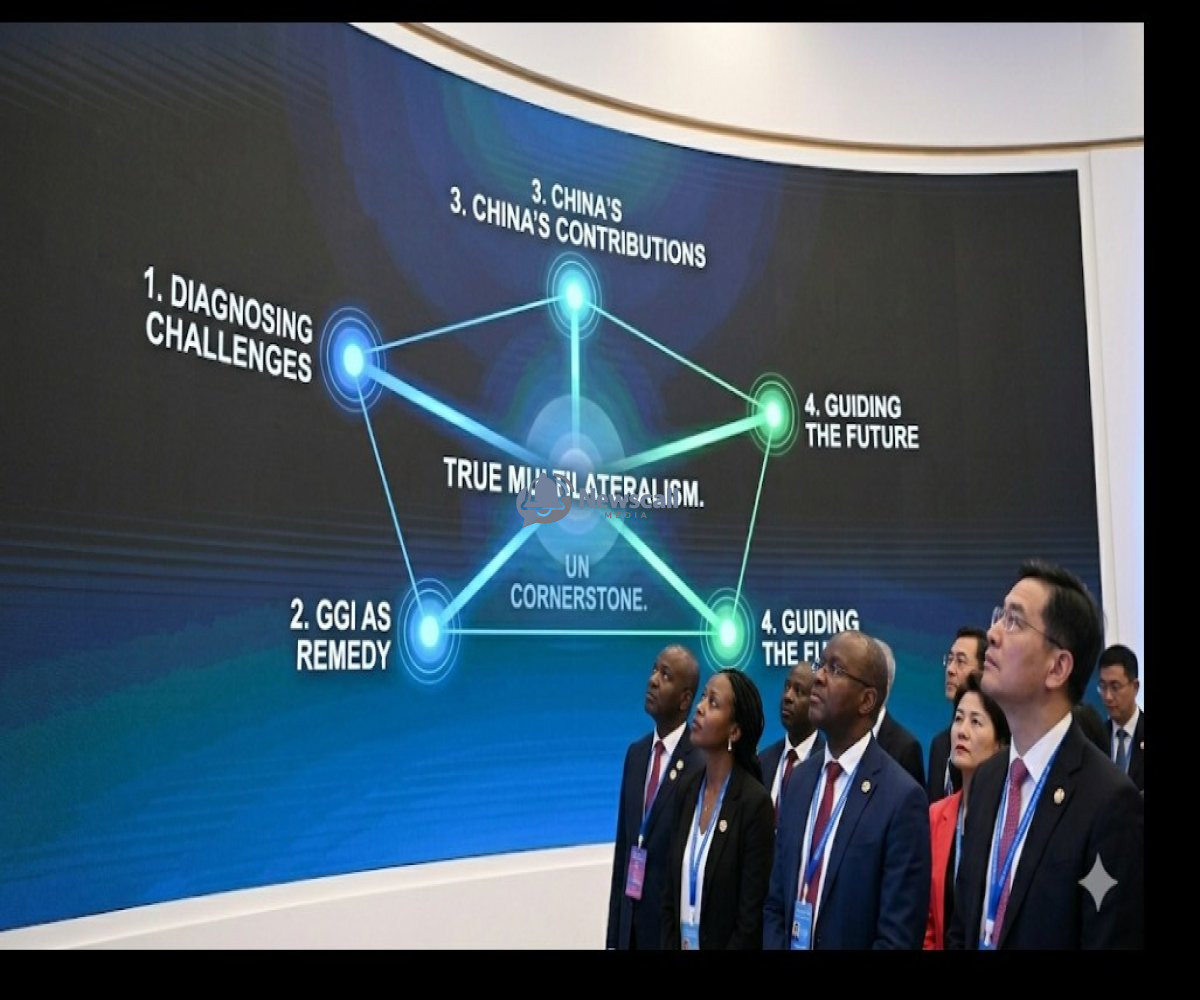
The white paper is meticulously structured in five parts. It begins with a blunt diagnosis of today’s severe, interconnected challenges, painting a picture of a global system failing to cope with instability.
The GGI is presented not merely as an alternative, but as the remedy.
The core message—directed equally at the Global South and the anxious West—is that the United Nations must remain the absolute cornerstone of international law and cooperation. China insists that global governance cannot be reinvented from scratch. Instead, it must be reformed through three key pillars:
Inclusivity: Ensuring all voices, not just wealthy ones, are heard.
Consultation: Moving away from unilateral dictates toward consensus building.
Shared Benefit: Globalization must deliver stability and equity, not just profits for a few.
Two Worlds Collide: The Reaction
This vision offers a roadmap for stability in turbulent times, appealing to a widespread desire for equity in globalization and a “community with a shared future for humanity.”
Predictably, the reception is deeply polarized.
The Western View: Strategic Concern
In Washington, London, and Brussels, the white paper is viewed with profound skepticism. Critics see it as Beijing’s sophisticated bid to reshape international institutions in its own image—systematically eroding the liberal values that defined the post-1945 order. To them, "true multilateralism" is code for a world where Chinese influence is paramount.
The Global South: A Resonance of Equity
However, the resonance of the GGI among developing nations cannot be ignored. Weary of what they perceive as decades of Western dominance and hypocritical interventionism, many leaders see the GGI as a practical path forward. They are drawn to the promise of a system that prioritizes development and sovereign equality over ideological alignment.
The Turning Point
Whether the world fully embraces or actively resists Xi’s GGI, one conclusion is inescapable: the publication of this white paper marks a definitive turning point.
Global governance is no longer a Western monopoly. The grand blueprint has been drawn, and the debate over who gets to build the future has officially begun.

OKORO WILSON EGWU
“Independent journalist delivering sharp, reporting on global conflicts, humanitarian crises, and international diplomacy. Known for transforming complex world events into...