

Could a Popular Weight Loss Drug Help You Age Slower? New HIV Study Says Maybe.
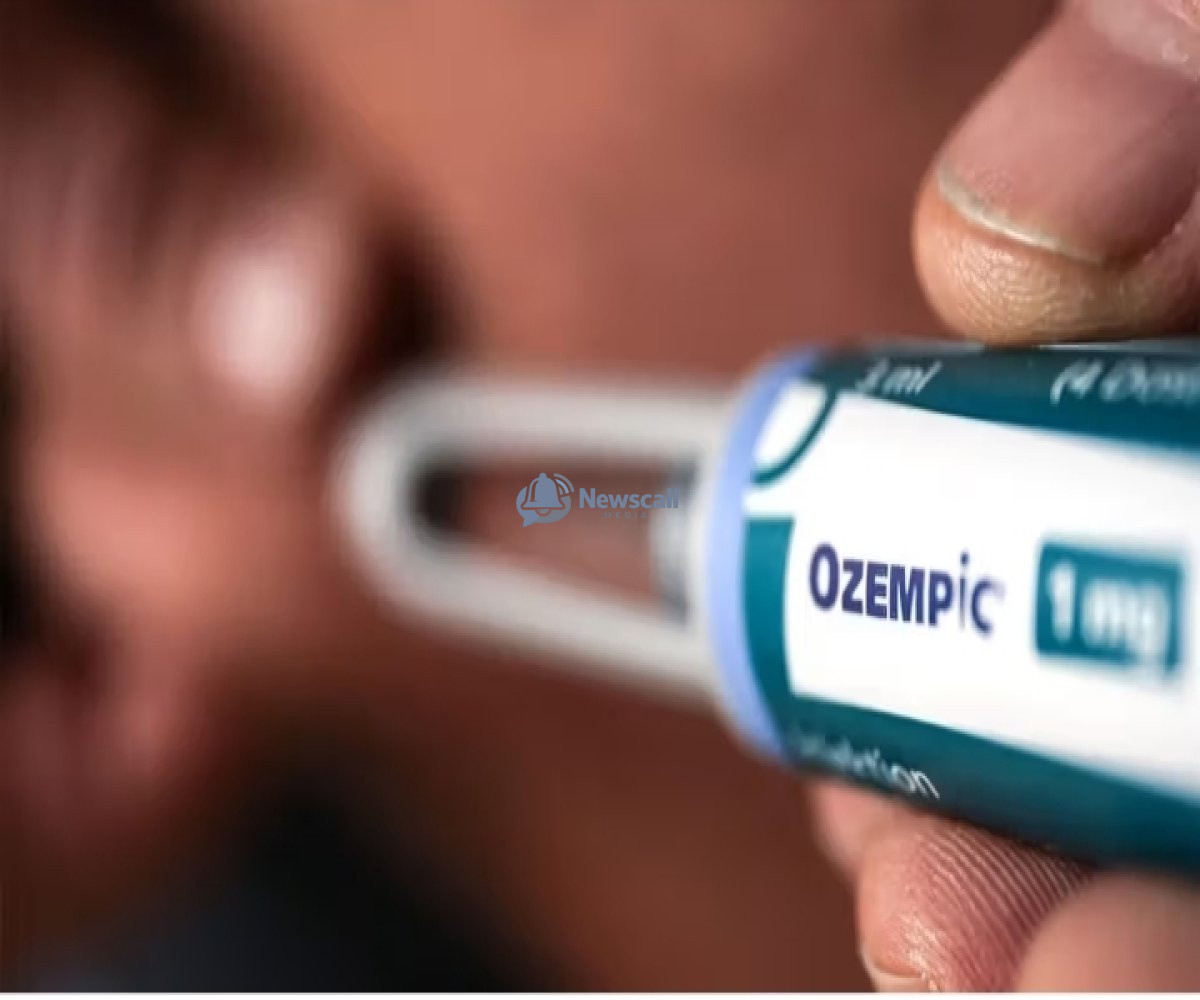
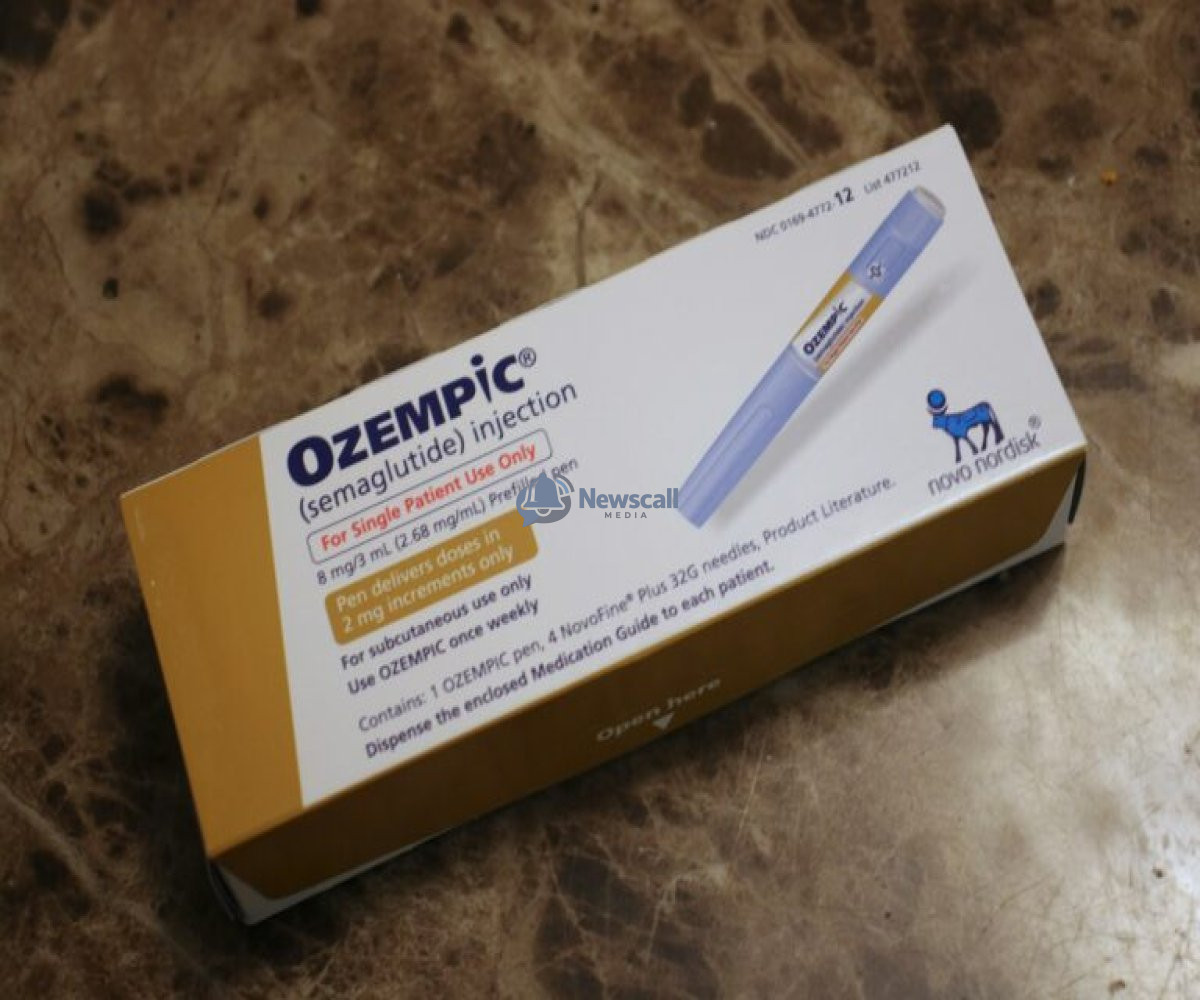
You’ve probably heard of Ozempic and Wegovy as blockbuster drugs for weight loss and diabetes. But what if they also acted like a "slow motion" button for the aging process?
A surprising new study suggests that might be the case. Researchers weren’t originally looking for an anti-aging pill. Instead, they were studying people living with HIV a group that often experiences accelerated aging due to chronic inflammation.
In a small trial, they gave one group of adults weekly injections of semaglutide (the active ingredient in Ozempic/Wegovy) and another group a placebo. After 32 weeks, the results were striking. The folks taking the GLP-1 drug showed a 9% slower pace of "biological aging" compared to those taking the dummy shot.
Let’s be clear: This doesn’t mean the drug reverses time or turns back the clock. You aren't going to get younger. However, it did seem to slow down the biology behind age related diseases. Using tools that analyze DNA (called "epigenetic clocks"), the team saw improvements in markers linked to inflammation, heart health, brain health, and even mortality risk.
So, why might this be happening?
The researchers have a few theories. First, these drugs are excellent at reducing chronic inflammation one of the primary drivers of aging. Second, they help shed visceral fat (the dangerous deep belly fat that wraps around your organs), which also fuels the aging fire.
The lead researcher, Michael Corley, put it perfectly: "We are not saying semaglutide reverses aging or makes anyone younger. What we are seeing is a signal that it may slow some of the biology underlying age related disease."
Now, the fine print. This study was done specifically in people living with HIV, so we don’t know for sure if the same effect happens in everyone else (though it’s a good guess). Also, this was a small trial looking at biological markers, not a 20-year study tracking who actually lives longer.
For now, don’t rush to your doctor asking for an "anti-aging shot." But keep an eye on this space. These findings open the door to a fascinating future where GLP-1 drugs might eventually play a role in helping us stay healthier for longer not just thinner.

Umeanozie Prosper
Writer, Novelist,blogger, content creator