

The Pain No One Sees: Sickle Cell Warrior’s Plea to Nigeria – ‘Stop Punishing Us’
On World Sickle Cell Day, a Nigerian born survivor is speaking out not just about the physical agony of the disease, but about the deep, invisible wounds left by stigma and rejection.
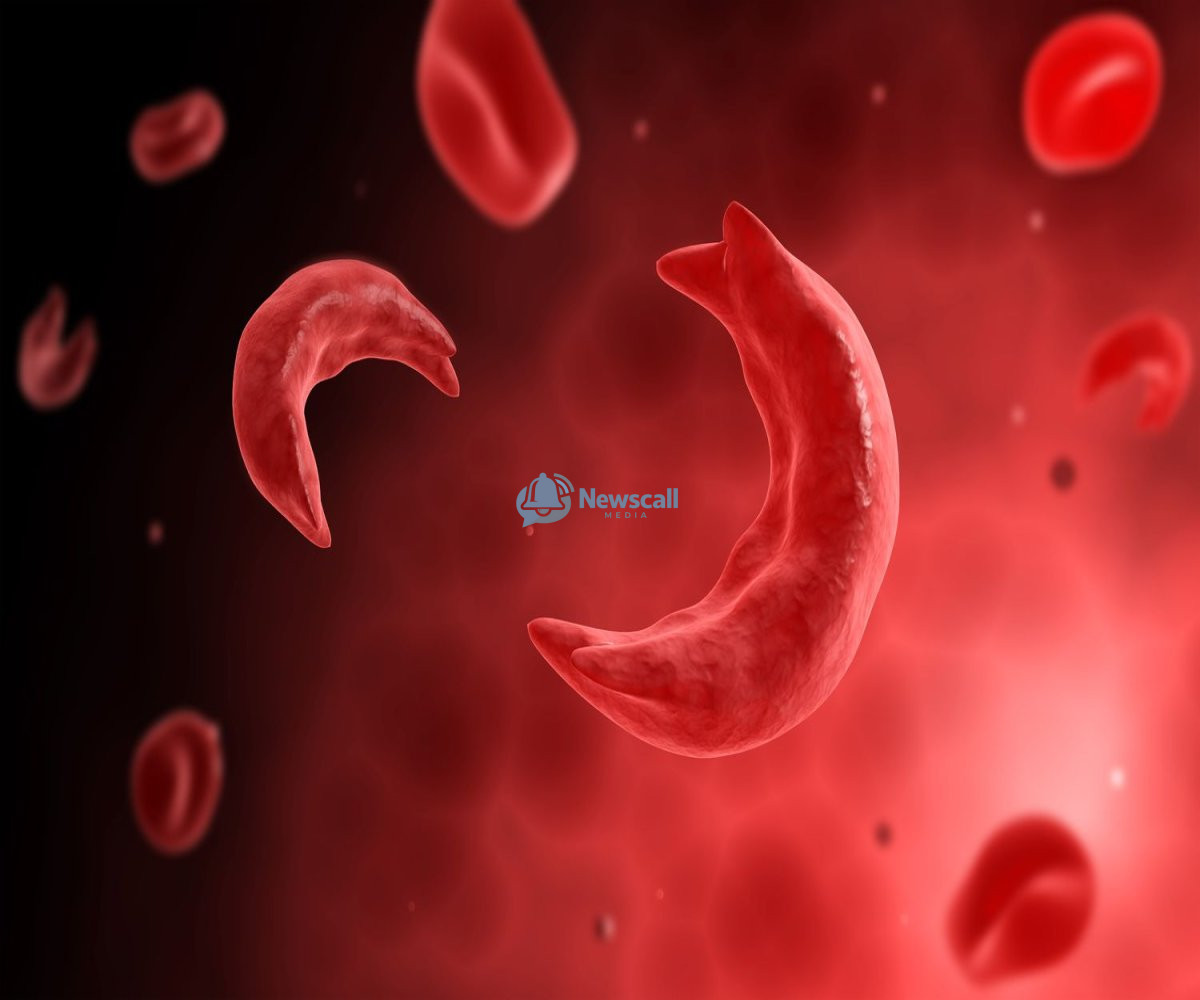
Kesiena Ikeke, who has lived with Sickle Cell Anemia her entire life, calls herself a warrior. But in a deeply personal essay titled ‘Blood, Pain, and Belonging: Why It’s Time to Stop Punishing Sickle Cell Warriors,’ she admits that surviving the disease often feels like “walking through fire.”
Growing up in Nigeria, her pain was doubled. She wasn’t just sick; she was often treated as cursed. Classmates and even adults branded her "evil," called her a financial burden, and whispered that she was possessed.
"Those words cut deeper than any crisis ever could," Ikeke wrote.
She recalls being subjected to forced experimental treatments that left her with physical scars, while the ignorance of those around her cost her family relationships, friendships, and even romantic connections.
But when she relocated to the United Kingdom, the narrative shifted. There, sickle cell was treated as a medical condition—not a spiritual punishment. She saw firsthand the dignity and proper care that patients deserve, and she’s now begging the Nigerian government and other West African nations to follow suit.
"The lack of medical education has turned a genetic blood disorder into what many wrongly see as a curse," she said. "In countries like Nigeria, parents are left to shoulder impossible medical bills for things as basic as folic acid or life-saving blood transfusions. Government must intervene."
Her message to the government is urgent: improve healthcare access and make drugs affordable. But her message to the public is equally direct. She is calling for widespread genotype testing before marriage, warning that "love is never enough" to spare a child from a lifetime of suffering.
"If you have the sickle cell trait or are a patient, you must prioritize knowing your genotype before choosing a partner. Do not marry simply because of love and bring a child into this world to go through this lifetime of torture," she pleaded.
To her fellow warriors, she offered words of tough love—advising them to practice "selfish discipline" by staying hydrated, eating well, and resting, even when the world doesn't make room for their illness.
"We do not need false accusations, grim predictions, or rejection," she said. "We need blood donations, proper healthcare, awareness, love, dignity, and respect."

Umeanozie Prosper
Writer, Novelist,blogger, content creator