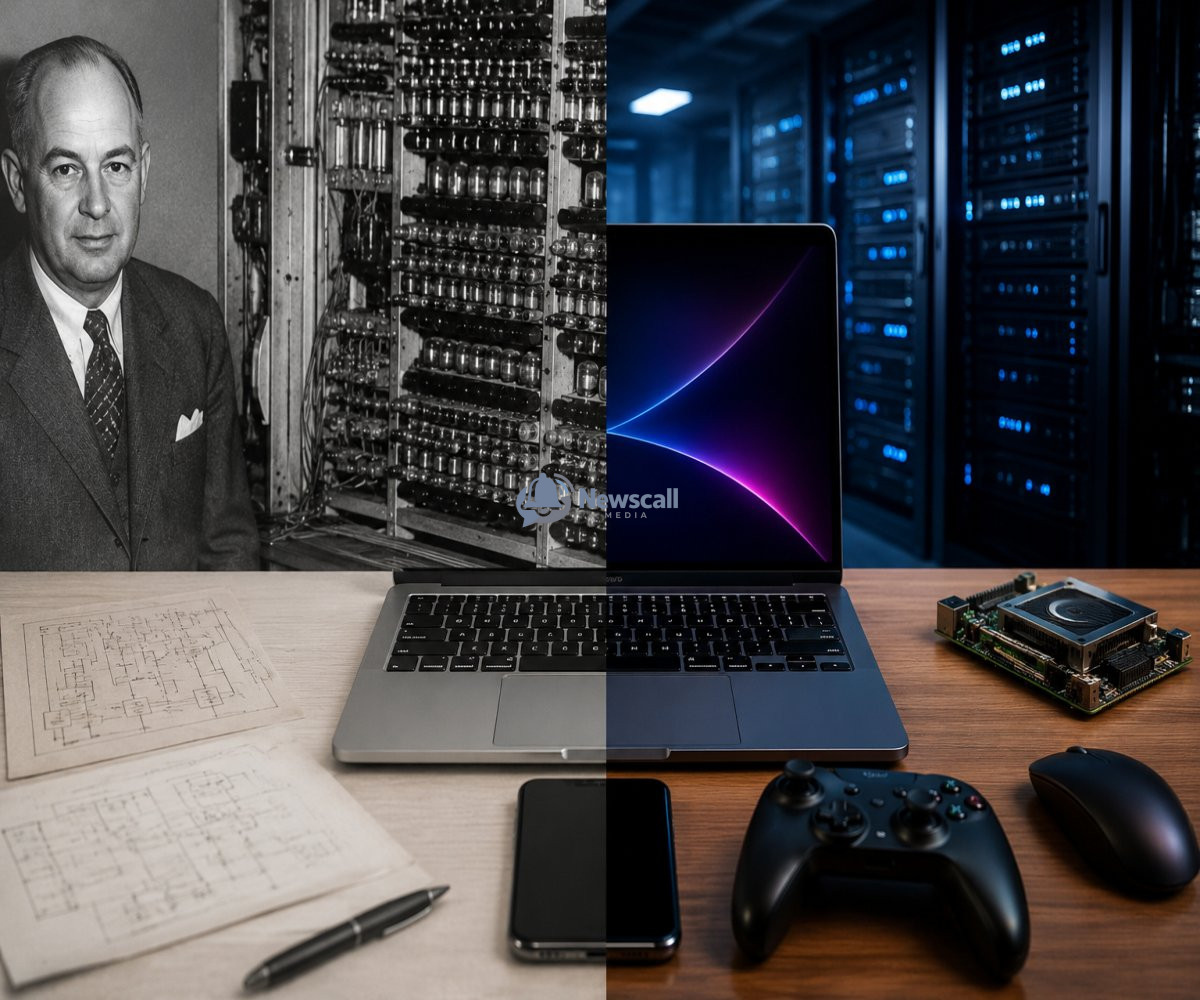


Apple Launches Legal Challenge Against UK's iCloud Backdoor Demand
Apple has opened a new front in one of the world's biggest technology debates.
The company has reportedly launched a legal challenge against the UK government's latest demand for access to encrypted iCloud data, setting the stage for a high-profile battle over privacy, cybersecurity, and government surveillance. While the case is centered in the United Kingdom, its outcome could influence how technology companies protect user data around the world.
At the heart of the dispute is a simple but controversial question: should governments have a way to access encrypted cloud data when investigating serious crimes, or would creating that access make everyone's data less secure?
For Apple, the answer is clear.
The company has long argued that encryption is one of the strongest defenses against hackers, cybercriminals, and identity thieves. Weakening that protection—even for law enforcement—creates risks that could eventually affect millions of ordinary users.
The UK government sees the issue differently.
Officials argue that strong encryption can make it difficult for investigators to access crucial evidence during criminal investigations involving terrorism, organized crime, child exploitation, and other serious offences. From the government's perspective, lawful access to encrypted data could become an essential investigative tool.
This disagreement has now reached the courts.
To understand why the case is so significant, it's important to understand what encryption actually does.
Whenever you back up your photos to iCloud, send secure messages, make online payments, or store sensitive information digitally, encryption helps protect that data from unauthorized access.
Think of it as placing your personal information inside a digital vault that can only be opened with the correct key.
Modern encryption has become one of the foundations of the internet. Without it, online banking, digital commerce, cloud computing, and countless everyday online services would become far more vulnerable to cyberattacks.
The controversy revolves around what is commonly known as a "backdoor."
A backdoor is a special method of accessing an encrypted system that would normally remain inaccessible.
Supporters argue that such access could be limited to authorized investigators operating under strict legal oversight.
Critics—including many cybersecurity experts—argue that no backdoor can remain exclusive forever.
Once a hidden access point exists, it becomes another potential target for hackers, hostile governments, or criminal organizations.
This concern is not merely theoretical.
History has repeatedly shown that even highly sophisticated digital tools created for governments have sometimes leaked into the hands of cybercriminals. Major corporations, financial institutions, and government agencies have all experienced significant cybersecurity breaches despite investing billions of dollars in digital security.
Apple has consistently maintained that creating a special access mechanism would weaken the overall security of its products.
According to the company, there is no practical way to build a backdoor that only "good actors" can use. If one pathway exists, the possibility always remains that someone else could eventually discover or exploit it.
The legal challenge therefore extends far beyond one company's cloud storage service.
It represents a broader debate about how society should balance privacy with public safety in an increasingly digital world.
As more personal information moves online, governments are seeking stronger investigative powers, while technology companies face growing pressure to protect user privacy against increasingly sophisticated cyber threats.
The outcome could influence future legislation not only in the United Kingdom but also in other countries considering similar measures.
For startups and technology companies, the case carries another important lesson.
Trust has become one of the technology industry's most valuable assets.
Consumers are paying closer attention to how companies collect, store, and protect personal information. Security is no longer simply a technical feature—it has become a competitive advantage.
Companies that demonstrate strong privacy protections often strengthen customer confidence, while those perceived as weakening security risk damaging their reputation.
Artificial intelligence, cloud computing, digital identity systems, and connected devices are making personal data more valuable than ever before.
As these technologies continue to evolve, legal disputes over encryption are likely to become increasingly common.
Whatever the courts ultimately decide, one thing is already clear.
This case is about much more than iCloud.
It is about defining the rules for digital privacy in an era where billions of people trust technology companies with their most personal information.
Apple's legal challenge could become one of the most closely watched technology cases of the year because its implications extend far beyond a single company or a single country.
The decision may help determine how future technology products balance privacy, security, and lawful government access for years to come.
For now, the battle has only just begun—and the technology world will be watching closely.

Victor Oluebubechukwu Akuma.
Creative writer