

Every Click Is Calculated: How Data Costs Shape Online Life in Nigeria
In many places, the internet is something people just use. You open apps, stream videos, download files, and move on without thinking too much about it.
In Nigeria, it rarely works that way.
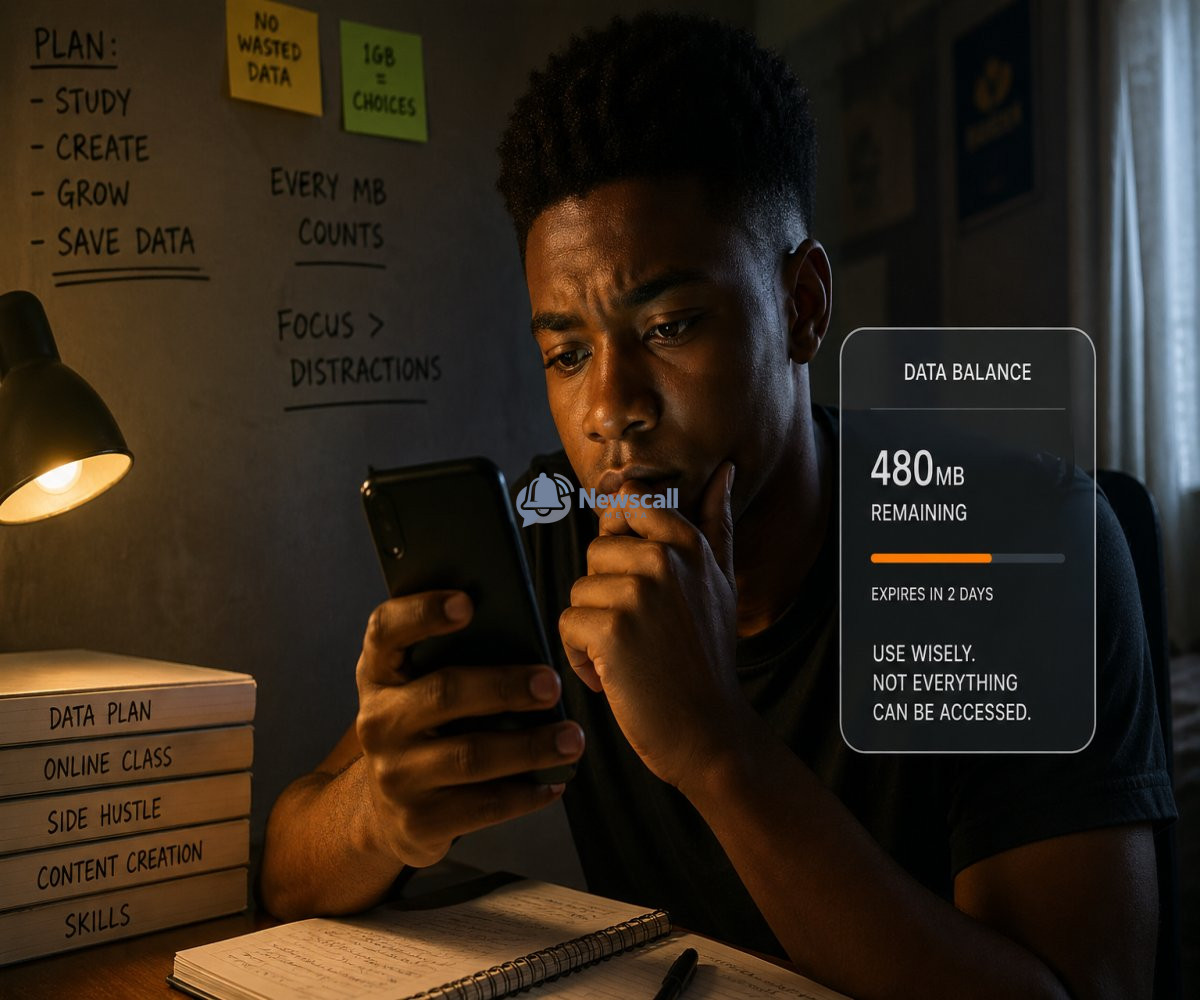
Every click often comes with a quiet mental calculation: “Should I really do this now… or is it wasting data?”
That small thought shapes almost everything about how people experience the internet.
For many users, data isn’t just connectivity — it’s a limited resource that has to be managed carefully. Before watching a video, someone might reduce the quality, wait for Wi-Fi, or simply skip it. Even scrolling through social media can feel like something that should be done with awareness, not carelessness.
Telecom networks like MTN have made access widespread, but availability and affordability are not the same thing. Being connected doesn’t always mean being free to use the internet without limits.
So people adapt.
Instead of autoplay videos, they turn it off. Instead of long streams, they wait for better timing. Instead of downloading everything, they choose what matters most. Over time, this becomes second nature — a kind of silent discipline that no one really teaches, but everyone learns.
It also changes how people learn online. The internet promises unlimited knowledge — tutorials, courses, lectures, and skills are all available. But in reality, many students adjust their learning style to fit data constraints. Videos are avoided or minimized, notes are downloaded instead, and live sessions are often sacrificed unless necessary. Learning becomes less about access to everything, and more about choosing what is worth the data.
Even entertainment is affected. Short videos feel more practical than long ones. Content that loads faster gets more attention. Creators, knowingly or not, start optimizing for audiences who are constantly thinking about data usage. What goes viral isn’t just what is interesting — but often what is light enough to consume easily.
Over time, this creates a different kind of internet culture. One where usage is intentional. Nothing is truly “just opened” — it is weighed first.
And that’s the quiet reality: the internet is everywhere, but it is not always freely used.
So while digital growth in Nigeria continues to rise — more creators, more platforms, more users — there’s still an invisible layer shaping everything beneath it.
Every click is calculated.

Victor Oluebubechukwu Akuma.
Creative writer