

Iran's Parliament Plans to Ban U.S. and Israeli Ships from Strait of Hormuz, Charge Toll to Others
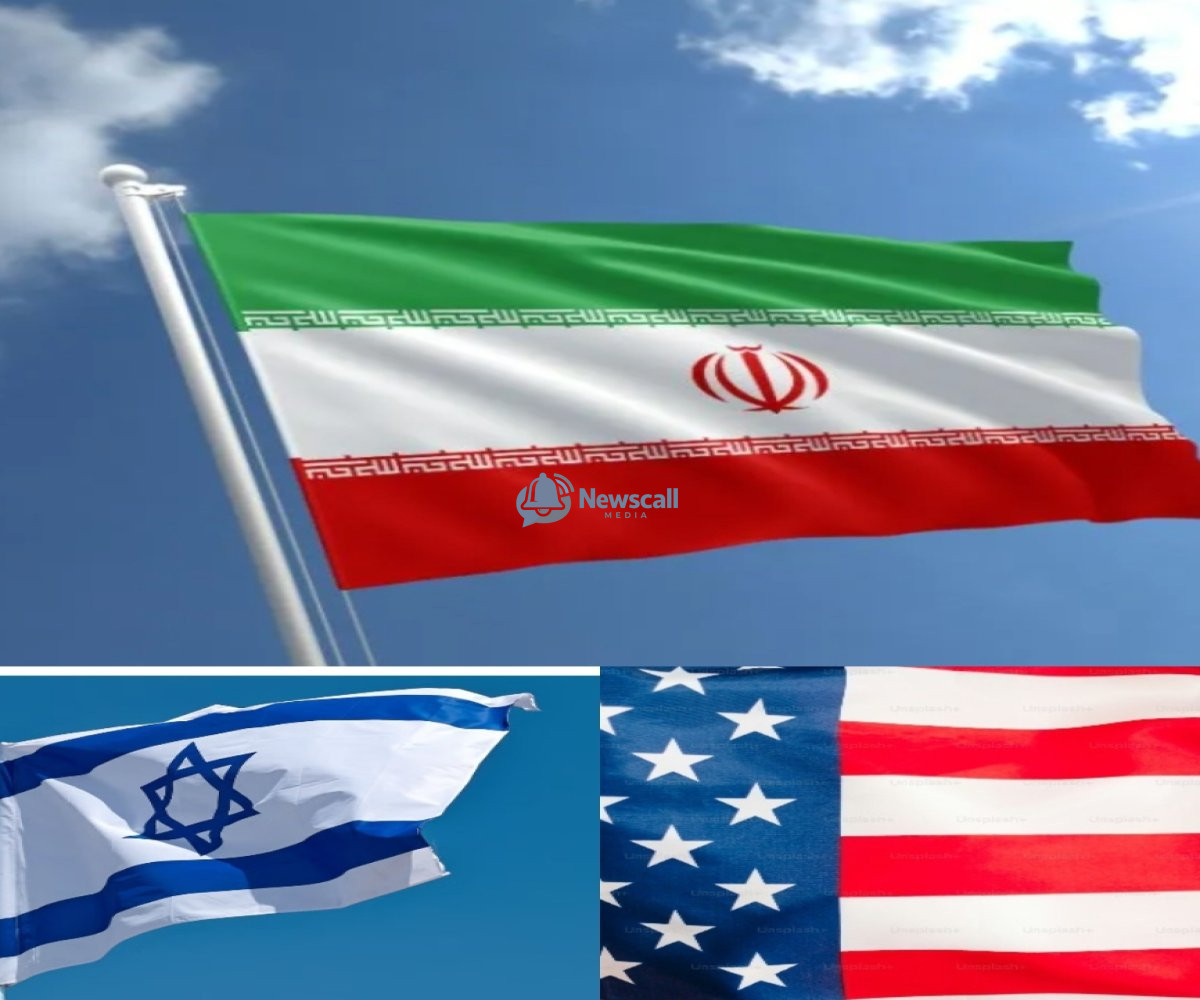
Ships linked to the United States, Israel and other "hostile countries" are being reviewed by Iran's Parliament to get a ban from transiting the Strait of Hormuz until Tehran is compensated for war damage.
The plan would impose fees of up to 7% of cargo value on commercial vessels that pass through the strait. It would also fine ships 20% of cargo if they violate Iran's conditions.
Iran on Wednesday, 6th July, said it was finalizing an agreement on shipping routes with Oman, a U.S. ally that sits on the other side of the Strait of Hormuz. Iranian state media quoted the Foreign Ministry as saying that ships would enter through the strait's northern corridor near the Iranian coast and exit through the southern corridor near the Omani coast.
The Trump administration has disputed Iran's characterization of the agreement.
A U.S official said " the Strait of Hormuz is an international waterway and no party controls the lanes or the ability to transit through them".
President Trump later said the U.S. currently controls the strait through its naval blockade on Iran.
This comes more than five months after the U.S. and Israel started their war against Iran on Feb. 28.
After Israel and the U.S. launched joint military attacks, Tehran struck back across the region and asserted control over the critical waterway. With Iran blocking the strait, the U.S. imposed a naval blockade on Iran in April and again in July, which it continues to enforce.
The Trump administration and Iran's leadership signed a temporary Memorandum of Understanding, MOU in mid-June to stop the war and reopen the strait, but it broke down weeks later amid back-and-forth strikes.
The strait's closure has caused a major disruption to fuel and fertilizer supplies, driven up prices and shaken economies around the world.
President Trump on Thursday said negotiations to reopen the strait were progressing.

Priscilla Uzobuenyi
Hey 👋 Feeling stuck trying to build your character, or just keep up with life without feeling overwhelmed? Maybe you...