


Odunayo Eweniyi, The Nigerian Who Built One of Africa’s Most Trusted Digital Savings Platforms
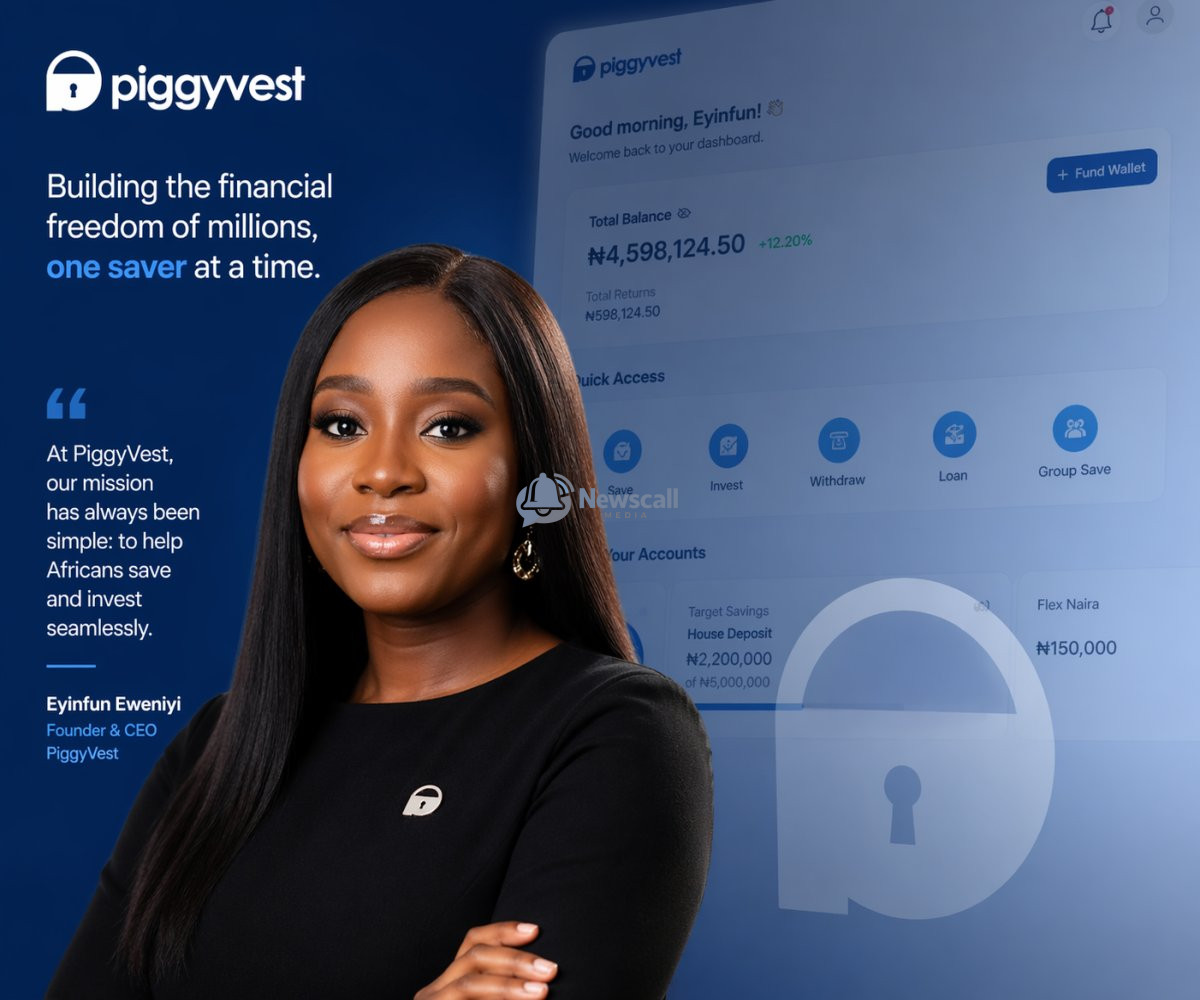
There’s a reason people don’t easily trust financial platforms in Nigeria.
Money is personal. And for a long time, the systems around saving it didn’t feel safe, structured, or even consistent enough to rely on.
So when something like PiggyVest came along and started convincing people to lock away their own money voluntarily, it wasn’t just a product success story — it was a behavior shift.
And at the center of that shift is Odunayo Eweniyi.
What makes her work interesting isn’t just that she built a fintech platform. It’s that she helped design something people actually stick with.
PiggyVest didn’t begin with the idea of “disrupting finance.” It started with a much simpler question: why is it so hard for people to save consistently?
The answer wasn’t financial intelligence. It was structure.
So the product was built around removing friction — automatic savings, restrictions on impulsive withdrawals, and systems that quietly force discipline without feeling punishing.
Over time, that approach changed something important: saving stopped feeling like a struggle and started feeling like a routine.
But none of that works without trust.
And in a market where people have seen enough failed promises and unreliable platforms, trust is not given — it’s earned slowly.
PiggyVest didn’t shortcut that process. It built it through consistency. Money went in, money stayed safe, and the system kept working the same way over and over again.
That repetition did something marketing alone could never do — it made users confident enough to increase how much they saved.
As the platform grew, the challenge changed.
It was no longer about convincing people to try it. It was about keeping the experience simple even as millions of users joined.
That’s where execution mattered more than ideas.
PiggyVest scaled, but it didn’t become complicated. It didn’t lose the clarity of its core purpose. It stayed focused on one thing: helping people save and grow money in a way that actually sticks.
That kind of focus is rare in fast-moving industries like fintech.
And while the platform became the headline, Odunayo Eweniyi’s role went beyond just building a product.
She became part of a larger conversation about what African fintech can look like when it’s designed for real behavior, not just technical capability.
Not flashy banking features. Not over-engineered systems.
Just tools that quietly help people make better financial decisions every day.
There’s a pattern in stories like this that’s easy to miss.
It’s not about genius ideas.
It’s about noticing a simple human problem — and refusing to overcomplicate the solution.
PiggyVest didn’t change how people think about money.
It changed what they do with it.
And that difference is where real impact sits.
Because in the end, the hardest part of building anything in finance isn’t launching it.
It’s getting people to trust it enough to come back tomorrow.
And then again the day after that.

Victor Oluebubechukwu Akuma.
Creative writer