

Scientists Discover Glowing Spider and Armored Cricket in Angola's Hidden Paradise.
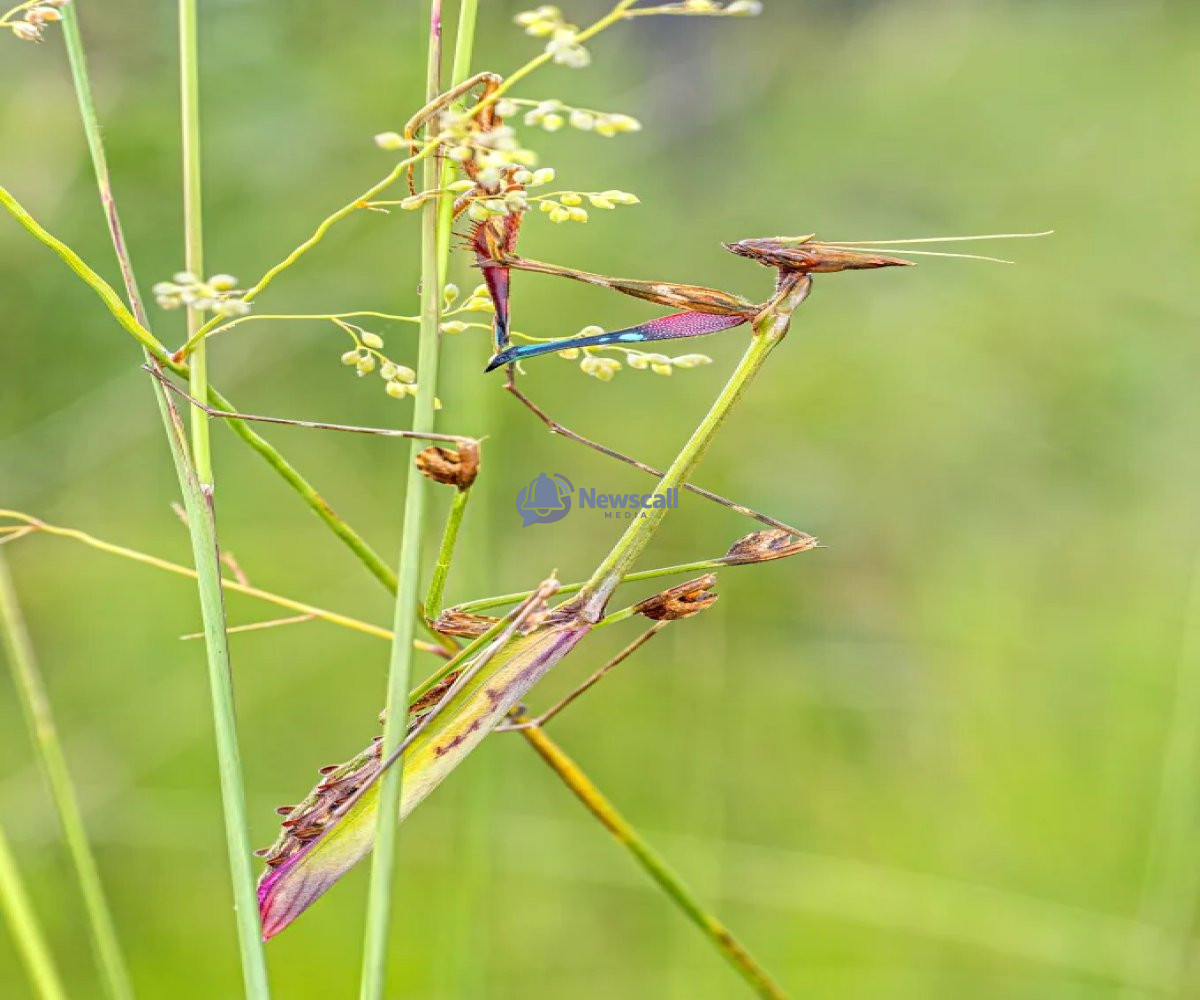
Deep in the mountains of eastern Angola, where four of Africa's mightiest rivers begin their journey to the sea, scientists have stumbled upon something extraordinary: a spider that glows electric blue under ultraviolet light, a cricket that looks like it's wearing armor, and dozens of other creatures never before documented by science.
The expedition, which took place in February, ventured into the Lisima plateau a place so remote and difficult to reach that it remained largely unexplored for decades. A devastating 27-year civil war that ended in 2002 kept researchers away, while the region's impenetrable swamps and dense woodlands made access nearly impossible.
But the secrets of this "source of life" as the plateau is known locally are finally coming to light.
A Glowing Mystery:
Among the most fascinating finds is a crowned crab spider that shines bright blue when hit with ultraviolet light. Why it does this remains a mystery that's puzzling scientists.
"Its fluorescence is absolutely spectacular," said expedition leader Rob Taylor. "But we genuinely don't know if it's for attracting prey, confusing predators, or something else entirely."
Another star of the survey is a clever spider that disguises itself as a ladybird beetle complete with the toxic insect's bright warning colors. This case of "identity theft" helps the spider avoid becoming someone else's dinner.
Bumper Crop of New Life:
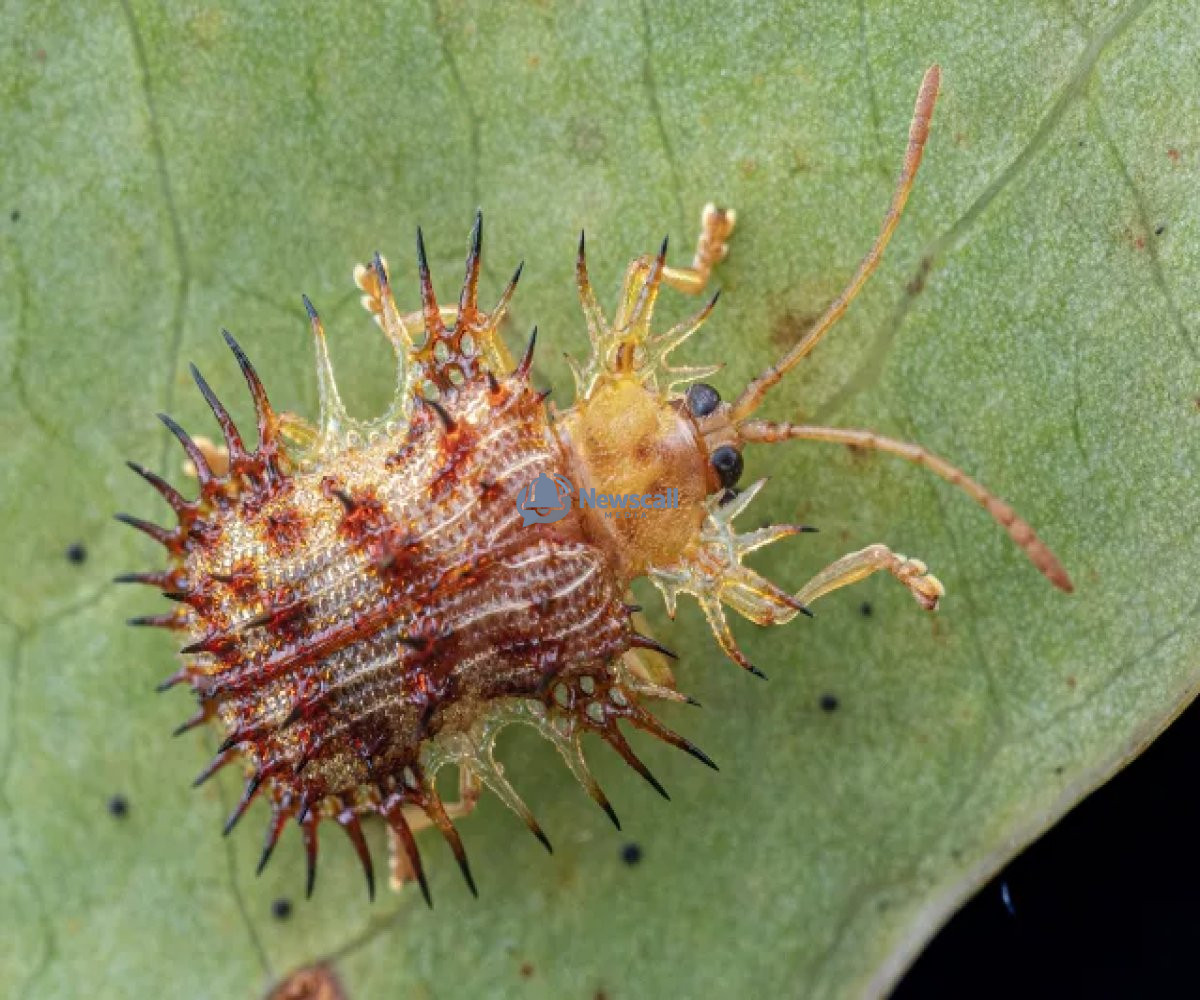
The team of 16 specialists from across Africa and beyond recorded an astonishing 103 species of dragonflies and damselflies alone, with eight of those completely unknown to science. They also found eight new moth species and three previously unseen grasshoppers, katydids, and crickets.
And they're just getting started. Taxonomists are now working to formally describe dozens more potential discoveries.
Not Just the New Guys:
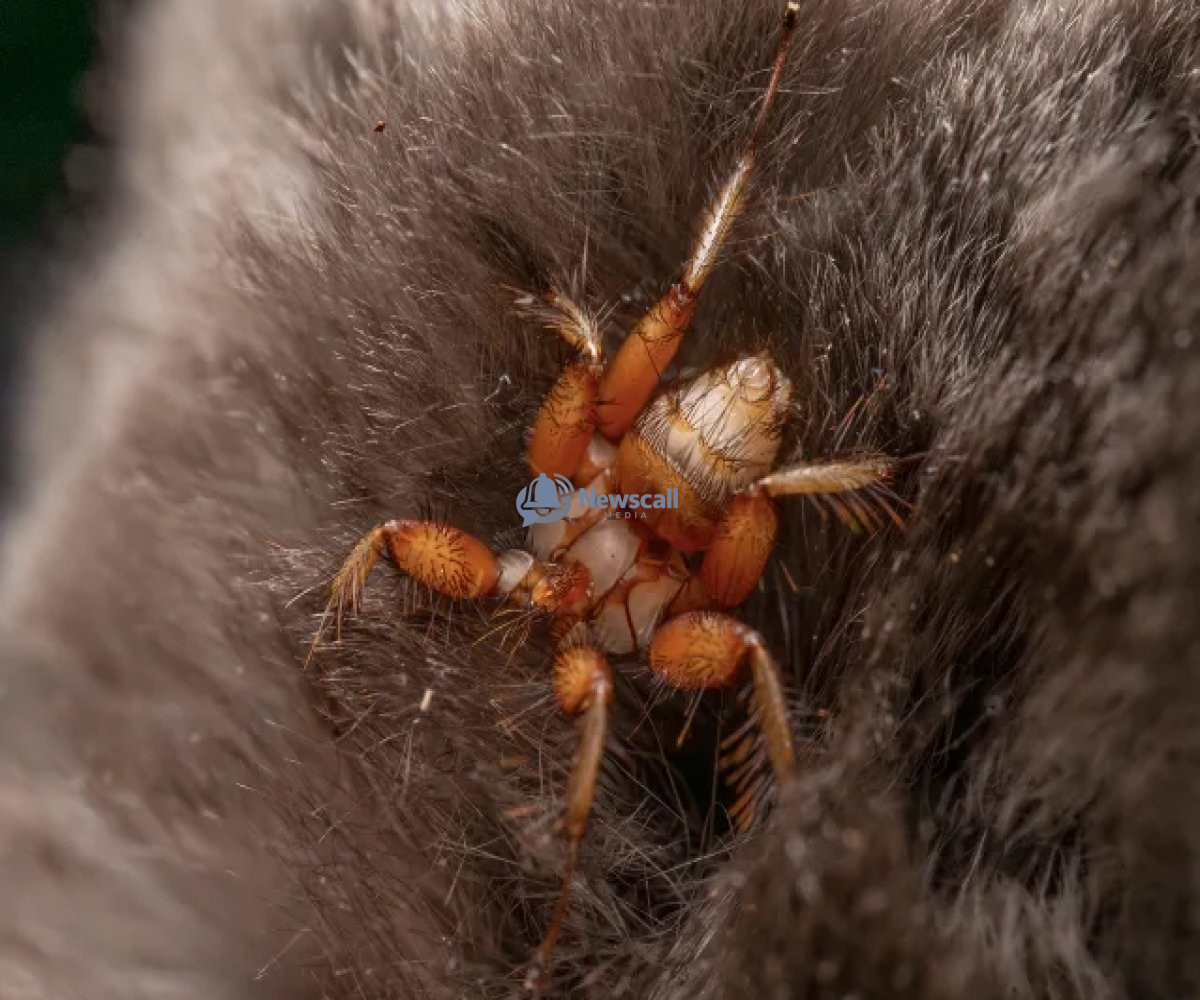
Even familiar species found in the area were extraordinary. The researchers spotted the gaboon adder a venomous snake with fangs up to two inches long, the longest of any snake on Earth. They also documented a bizarre "bat fly" a wingless parasite that swims through bat fur like it's water, living off the animal's blood.
The Challenge of Paradise:
The expedition wasn't easy. Working during peak rainy season, the team's vehicles got stuck in mud more than once, losing entire days to being hauled out of bogs. They dealt with breakdown after breakdown starter motors failing, alternators giving up, brake pads wearing thin. Several team members contracted malaria along the way.
But the scientists took the delays in stride. "Whenever we were stuck, they used the opportunity to survey nearby wetlands and grasslands," Taylor said. "For them, it was just more time to explore."
What Happens Next:
The plateau's very remoteness has been its salvation so far, protecting its natural treasures from exploitation. But The Wilderness Project, which led the survey, isn't taking any chances.
Last year, the area was officially recognized as a wetland of international importance, covering 5.4 million hectares that support over 42,500 square miles of surrounding ecosystems.
"Longer term, we hope these findings support stronger protection for the plateau not just on paper, but in practical decisions on the ground," Taylor said. "The goal isn't simply to document new species. It's to ensure the habitats they depend on remain intact."
It could take months or years to publish all the findings from the survey. But for now, the message is clear: in one of Africa's last great unexplored places, nature is still full of surprises.

Umeanozie Prosper
Writer, Novelist,blogger, content creator