

The Science of Innovation: How Great Ideas Are Born
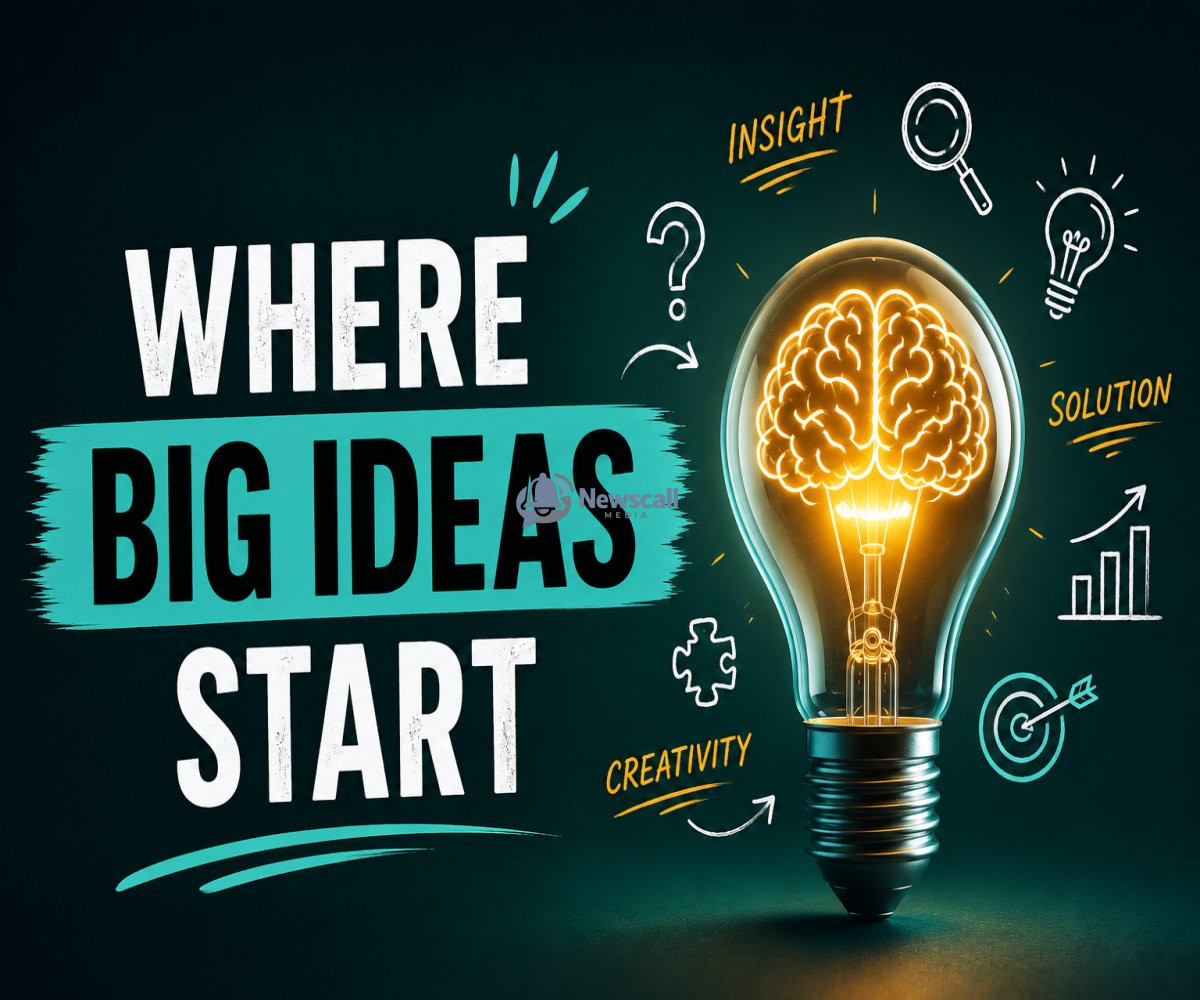
When people think about innovation, they often imagine a brilliant inventor experiencing a sudden flash of inspiration. Popular stories make it seem as though groundbreaking ideas appear out of nowhere, changing industries and shaping the future overnight.
Reality is far less dramatic—and far more interesting.
Most revolutionary ideas are not born in a single moment. They emerge through a combination of curiosity, experimentation, observation, and persistence. Behind every successful product, technology, or business model lies a long process of questioning assumptions, testing possibilities, and learning from failure.
Innovation begins with curiosity. The individuals and organizations that create meaningful change are rarely satisfied with existing solutions. They constantly ask questions that others overlook. Why does this problem exist? Is there a faster way to do this? What would happen if we approached it differently?
These simple questions often become the starting point for remarkable breakthroughs.
Research has also shown that innovation thrives when different perspectives come together. Some of the world's most successful ideas were created by people with diverse experiences, skills, and viewpoints. When individuals from different backgrounds collaborate, they challenge one another's assumptions and uncover opportunities that would otherwise remain hidden.
Perhaps the most misunderstood aspect of innovation is the role of failure. Society celebrates success stories but rarely sees the countless unsuccessful attempts that came before them. Yet failure is often where the most valuable lessons are learned.
The companies that consistently innovate understand this principle. Rather than fearing mistakes, they view each setback as information that helps them move closer to a better solution. Every experiment, whether successful or not, contributes to the learning process.
This is why many of today's most influential products were not perfect when they were first introduced. They evolved through continuous improvement, customer feedback, and repeated testing. Innovation is rarely a destination; it is an ongoing cycle of learning and refinement.
Technology is accelerating this process faster than ever before. Artificial intelligence, data analytics, automation, and digital collaboration tools are enabling innovators to test ideas, gather insights, and develop solutions at unprecedented speed. What once took years can now be accomplished in months or even weeks.
The science of innovation ultimately reveals a powerful truth: great ideas are not reserved for a select few. Innovation is not magic, and it is not solely the result of genius. It is a process that can be practiced, improved, and repeated.
The people who shape the future are often those who remain curious, embrace uncertainty, and persist long enough to transform simple ideas into meaningful change.

Victor Oluebubechukwu Akuma.
Creative writer