

Venezuela Earthquake Horror Deepens as Death Toll Surges to 1,430, Thousands Injured and Entire Communities Reduced to Rubble.
The scale of devastation unleashed by the powerful twin earthquakes that struck Venezuela has become increasingly heartbreaking, with the death toll climbing to at least 1,430 as desperate rescue efforts continue amid fears that the window to save survivors trapped beneath collapsed buildings is rapidly closing.
Authorities confirmed on Saturday that more than 3,238 people have sustained injuries, while at least 3,142 families have been left homeless after the catastrophic earthquakes ripped through communities, flattening homes, crippling infrastructure, and leaving thousands struggling to survive.
President of Venezuela's National Assembly, Jorge Rodríguez, disclosed the latest casualty figures, describing the disaster as one of the country's worst natural tragedies in recent history. He also revealed that the nation has endured at least 430 aftershocks since the two massive earthquakes struck on Wednesday, further hampering rescue operations and spreading fear among residents.
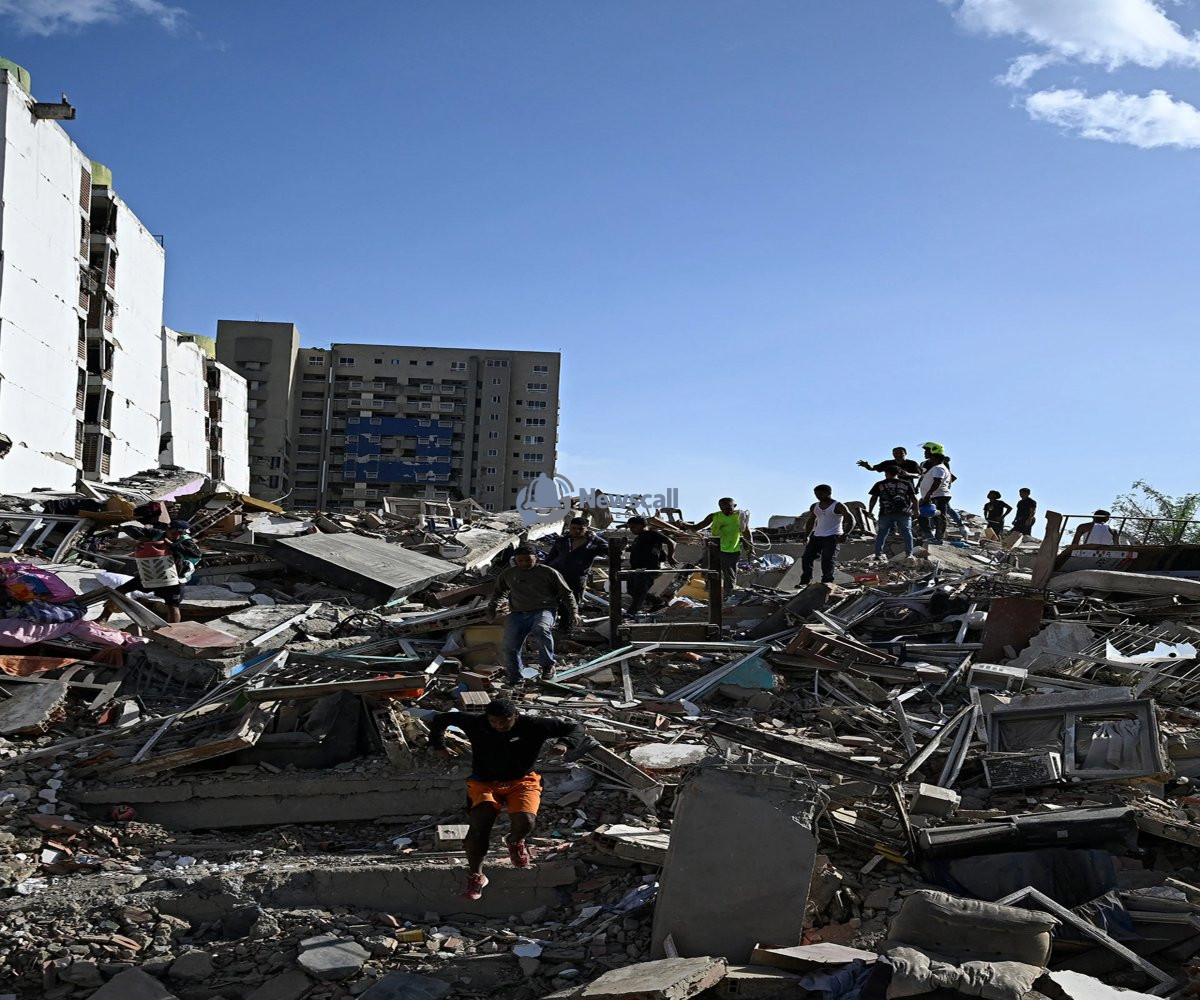
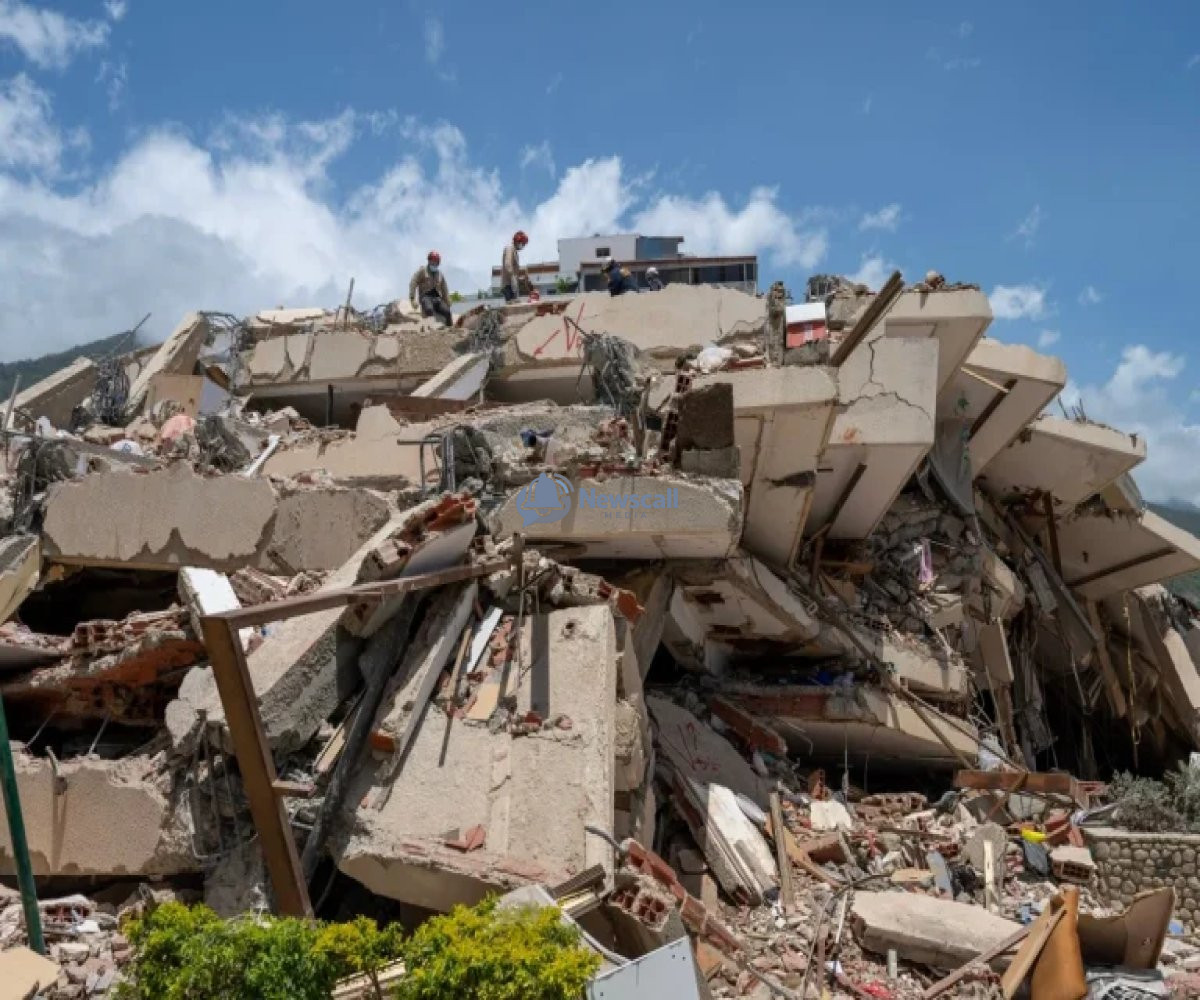
The twin earthquakes, measuring magnitudes 7.2 and 7.5, devastated Venezuela's coastal region, particularly around La Guaira, where entire neighbourhoods were reduced to rubble. Survivors have recounted scenes of chaos as buildings crumbled within seconds, forcing families to flee with little more than the clothes they were wearing.
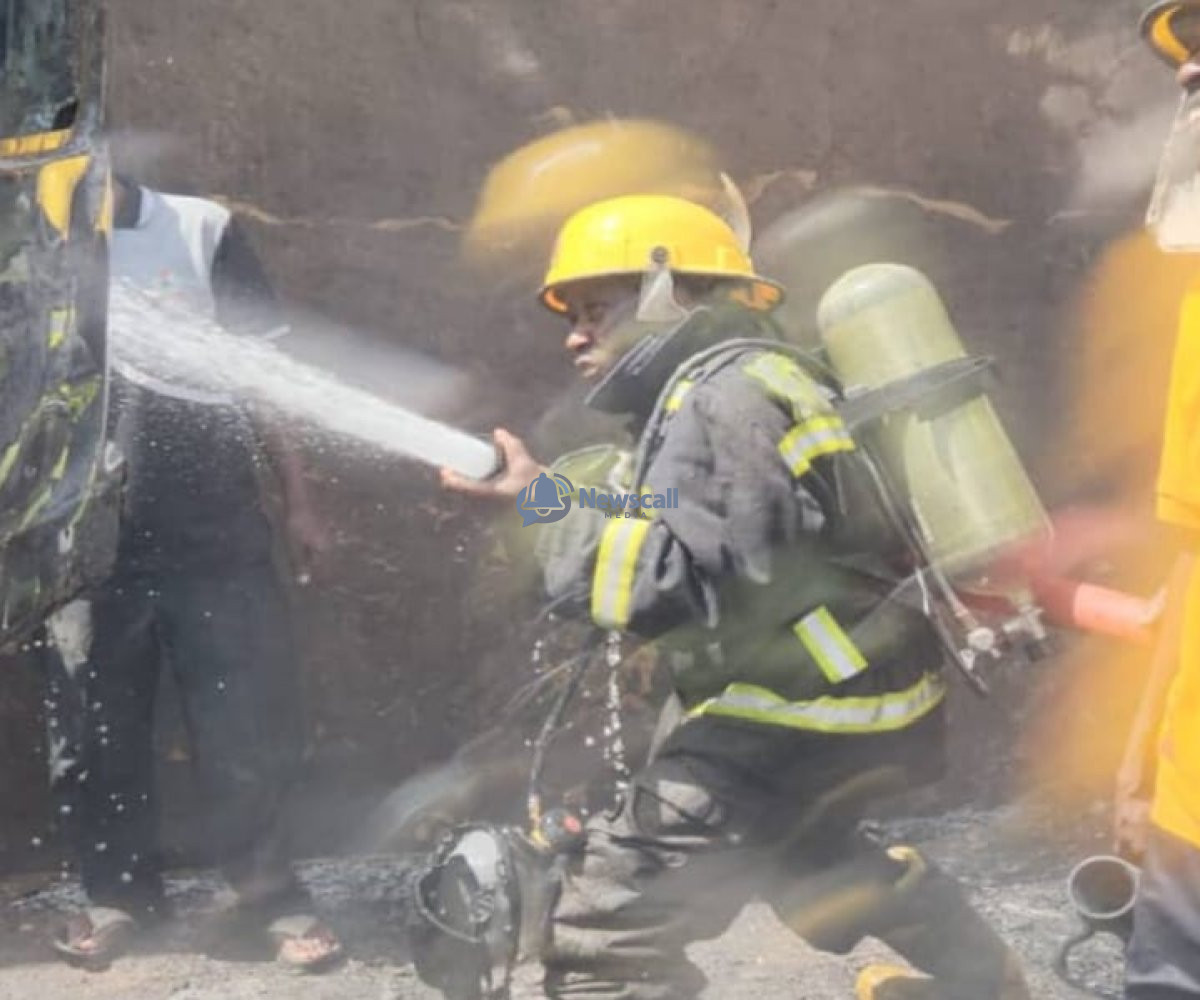
With government emergency responders overwhelmed by the scale of the disaster, residents in the hardest-hit communities have resorted to digging through collapsed structures with their bare hands in search of missing relatives and neighbours. Aid organisations have warned that the crucial 72-hour period during which trapped victims are most likely to survive is rapidly slipping away.
According to CNN, rescue teams continue to race against time despite damaged roads, unstable buildings, and repeated aftershocks that have made search-and-rescue missions increasingly dangerous.
Meanwhile, the United States has intensified humanitarian support for the disaster-stricken country. A senior official in the administration of President Donald Trump disclosed that Washington is maintaining close communication with Venezuela's interim authorities to coordinate emergency relief and logistical support.
"We have a unique relationship with the interim authorities, and we're working very closely with them to address the needs and get logistics up and running," the official said.
The official confirmed that one runway at Simón Bolívar International Airport near Caracas has resumed operations, allowing humanitarian flights carrying medical personnel, food supplies, and rescue equipment to land. However, the airport's second runway remains severely damaged after suffering extensive cracks during the earthquakes.
Emergency assistance from the United States continues to expand, with mobile hospitals arriving in Venezuela to provide urgent medical care for the growing number of casualties. Additional Starlink satellite internet terminals are also being deployed to restore communications in affected communities, while more humanitarian supplies are expected to arrive in the coming days.
Two specialised U.S. search-and-rescue teams, each comprising about 80 personnel, have already assisted in locating survivors trapped beneath the rubble.
Responding to concerns over delays in reaching some of the worst-hit areas, the U.S. official attributed the challenges primarily to logistical constraints rather than access restrictions.
"A major coordination problem has been the airfields," the official explained, noting that relief aircraft from multiple countries are competing for limited landing space while emergency managers work to determine which transport routes remain usable.
The official also announced that the USS Fort Lauderdale has arrived off Venezuela's coast and is now serving as a floating medical and logistics hub. The vessel is being used to airlift injured victims for treatment, coordinate humanitarian operations, and support ongoing rescue missions.
As rescue efforts continue, thousands of displaced families remain in temporary shelters or open spaces, anxiously awaiting news of missing loved ones while authorities and international partners race against time to prevent the humanitarian crisis from worsening.

Anozie Chiemerie Emmanuel
Writer