

What Will Cities Look Like in 2050?
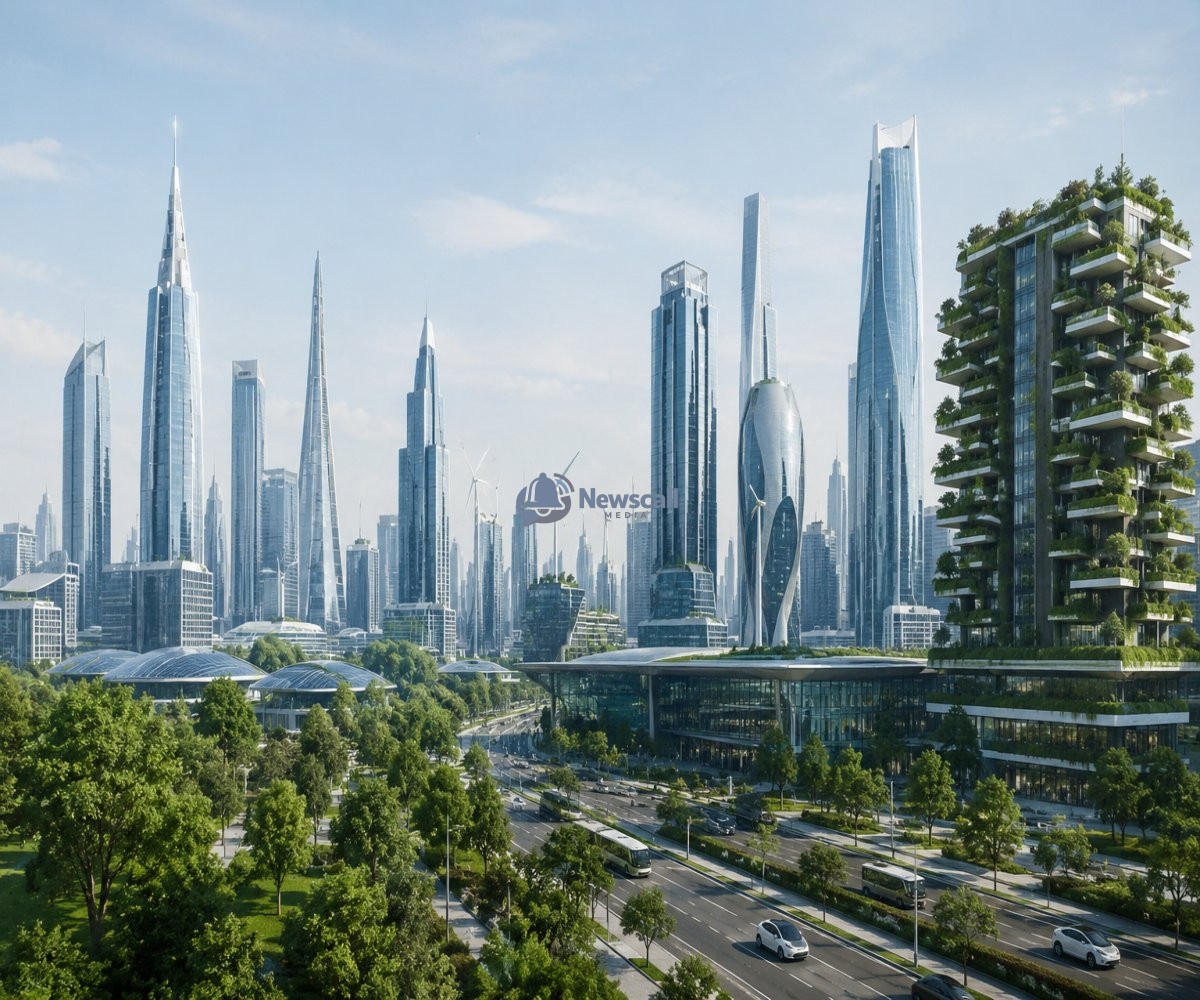
Imagine stepping into a city in 2050.
The streets are quieter. Traffic jams are rare. Buildings generate much of their own energy. Public transportation moves efficiently without long waiting times. Sensors embedded throughout the city help manage everything from waste collection to water usage.
It may sound like science fiction, but many of the technologies that could shape future cities already exist today.
As the world's population continues to grow, urban areas face increasing pressure. More people mean greater demand for housing, transportation, energy, healthcare, and public services. To meet these challenges, cities will need to become smarter, more efficient, and more sustainable.
One of the biggest changes may come from transportation.
Future cities are likely to prioritize public transit, cycling, and pedestrian-friendly infrastructure over private vehicles. Electric transportation systems could become the norm, helping reduce pollution and improve air quality. Traffic management systems may use real-time data to optimize routes and reduce congestion.
Buildings will also evolve.
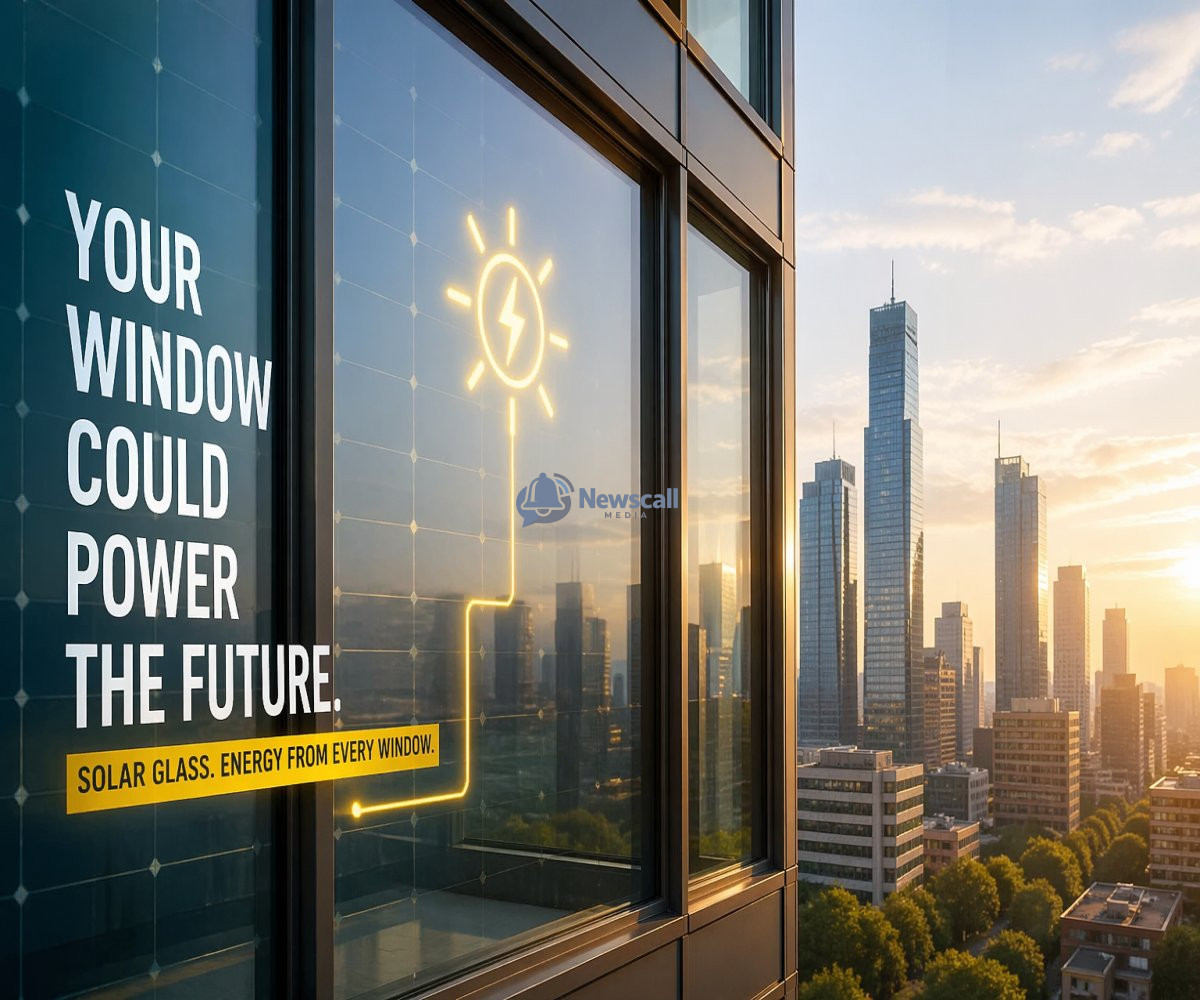
Instead of simply consuming energy, many structures may generate it through integrated solar technology and other renewable sources. Smart systems could automatically regulate lighting, temperature, and resource usage, reducing waste while improving comfort.
Green spaces may become a central part of urban design.
As cities become denser, planners are increasingly exploring ways to incorporate nature into urban environments. Rooftop gardens, vertical forests, and expanded public parks could help improve air quality, reduce heat, and enhance residents' well-being.
Water and waste management will likely become more intelligent as well.
Advanced monitoring systems could detect leaks before they become major problems, while modern recycling technologies may help cities recover more resources from waste streams. The goal will be to create urban environments that operate more efficiently while placing less strain on the planet.
Healthcare could become more accessible through connected infrastructure.
Remote monitoring, digital health services, and improved emergency response systems may allow cities to deliver care faster and more effectively. Residents could receive support without always needing to visit a physical facility.
Yet the most important aspect of future cities may not be technology at all.
The most successful cities of 2050 will likely be those designed around people. Technology can improve efficiency, but cities ultimately exist to support human lives, communities, and opportunities.
A truly innovative city is not defined by the number of sensors it contains or the sophistication of its infrastructure.
It is defined by how well it helps people live, work, learn, and thrive.
The cities of 2050 may look very different from those of today.
But if innovation succeeds, they won't just be smarter.
They'll be better places to call home.

Victor Oluebubechukwu Akuma.
Creative writer