
Brain-Computer Interfaces: The Technology Connecting Minds and Machines
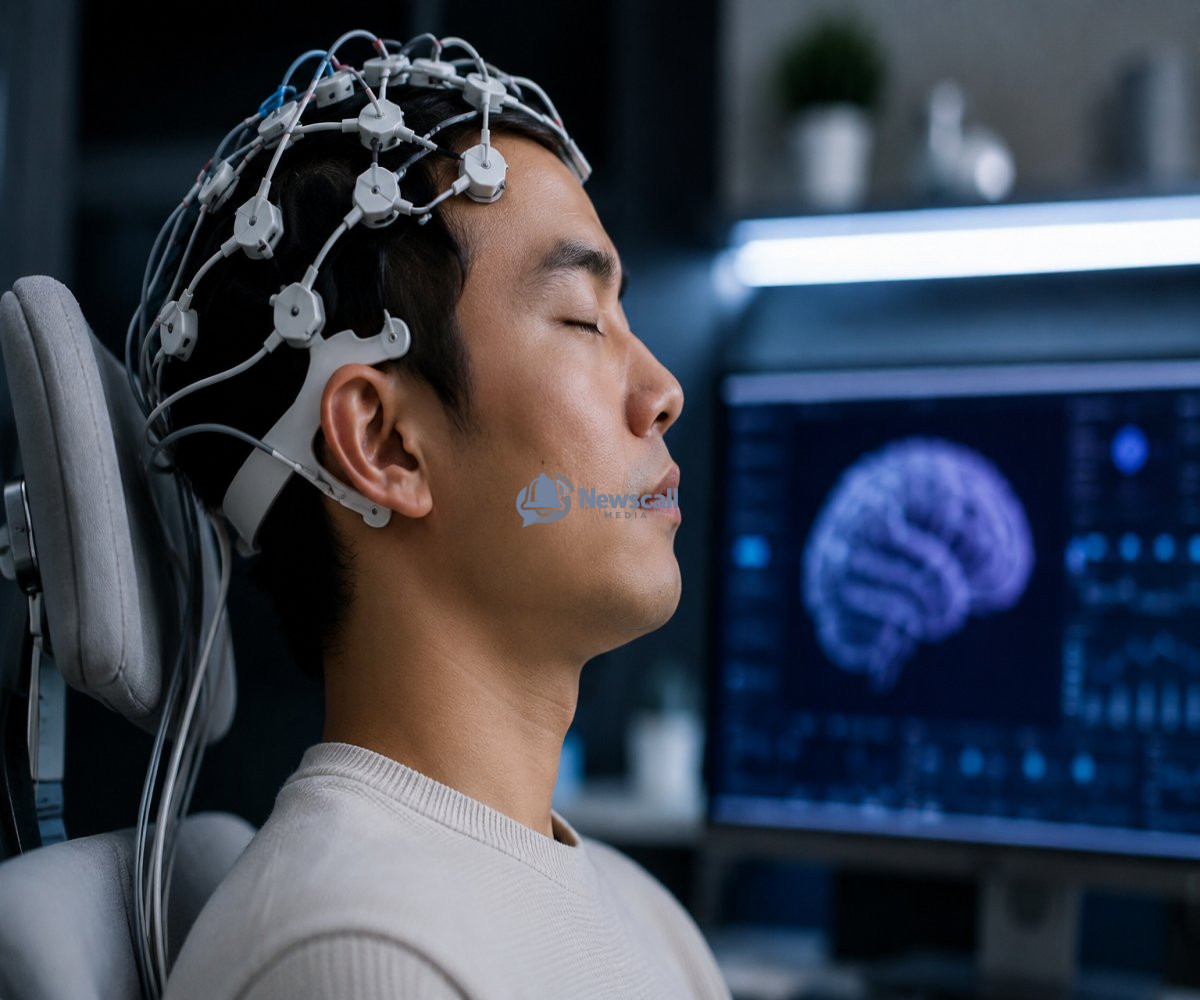
For a very long time, the human brain and machines existed in separate worlds.
One controlled thought, emotion, and decision-making. The other performed physical tasks based on human commands. The gap between the two seemed permanent.
Today, that gap is beginning to disappear.
Scientists and engineers are developing Brain-Computer Interfaces (BCIs), technologies that allow direct communication between the human brain and external devices. What once belonged to science fiction is rapidly becoming one of the most fascinating fields in modern innovation.
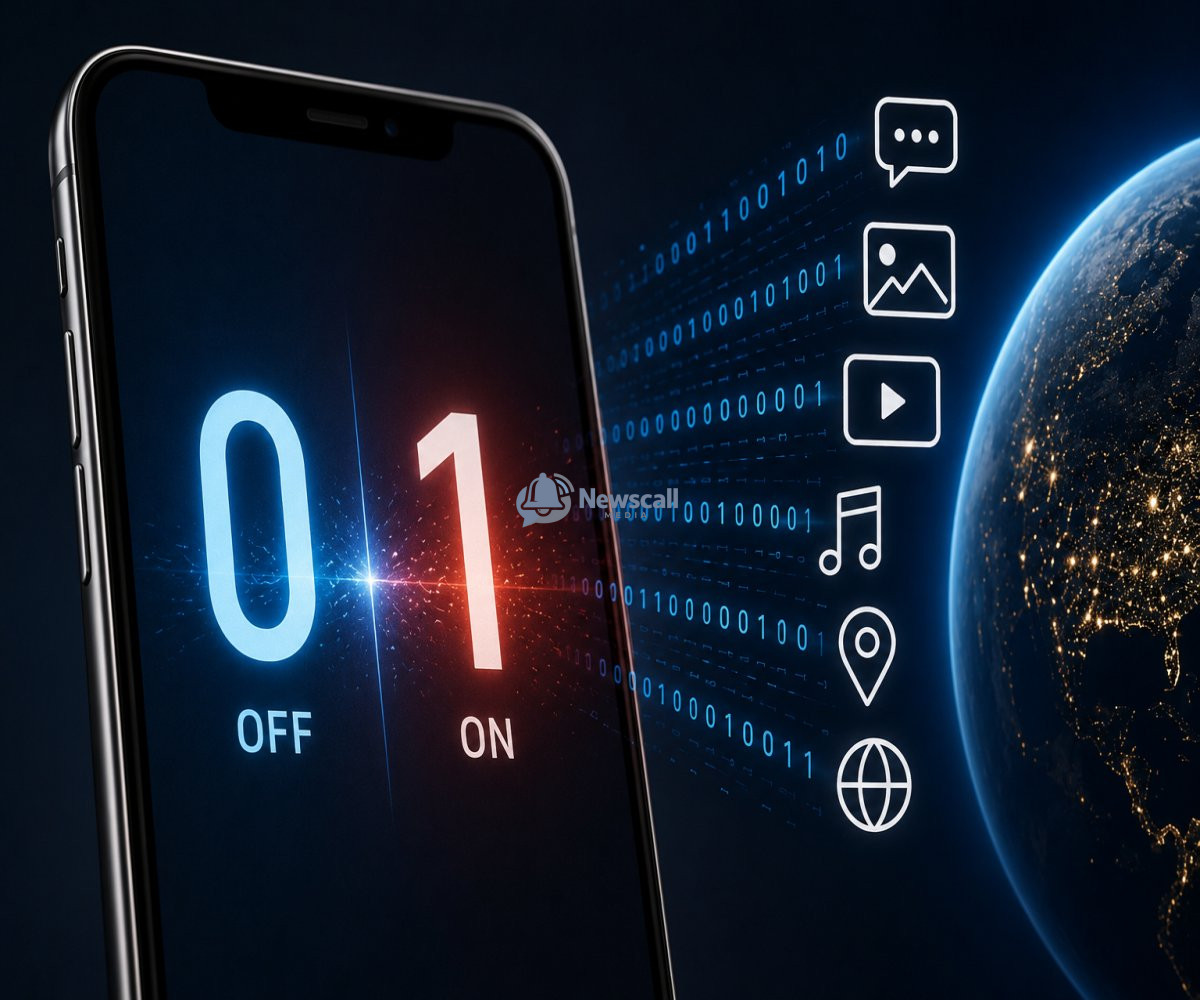
At its core, a Brain-Computer Interface works by detecting signals produced by the brain and translating them into commands that computers can understand.
Instead of using a keyboard, mouse, touchscreen, or voice command, a person can interact with technology using neural activity alone.
The implications are extraordinary.
One of the most promising applications is in healthcare. Researchers have already demonstrated systems that allow individuals with paralysis to move robotic limbs, control computer cursors, and communicate through digital devices using their thoughts.
For millions of people living with severe physical disabilities, BCIs could provide new levels of independence and interaction with the world.
The technology is advancing surprisingly quickly.
Modern sensors can detect increasingly complex neural signals, while improvements in computing power allow those signals to be processed more accurately than ever before. As these systems improve, they become faster, more reliable, and more capable of interpreting human intentions.
Beyond healthcare, researchers are exploring how BCIs could transform everyday technology.
Imagine controlling smart devices without touching them. Imagine operating machinery through thought alone. Imagine interacting with digital environments without keyboards, controllers, or screens.
Such possibilities are no longer purely theoretical.
Several companies and research institutions are investing heavily in the field, believing that brain-computer interfaces could eventually become as transformative as smartphones or personal computers.
However, the technology also raises important questions.
Privacy becomes a major concern when devices interact directly with neural activity. Ethical considerations surrounding data security, consent, and human augmentation will likely become increasingly important as BCIs become more advanced.
Society may need entirely new frameworks to address these challenges.
Despite these concerns, the potential benefits remain enormous.
Throughout history, technology has expanded human capabilities. Tools increased physical strength. Computers expanded our ability to process information. The internet connected people across the globe.
Brain-computer interfaces could represent the next step in that progression.
Rather than simply using machines, humans may eventually interact with them in ways that feel seamless and natural.
Many technical challenges still remain. Current systems are expensive, complex, and often limited to specialized applications. Widespread adoption could take years or even decades.
Yet history has repeatedly shown that groundbreaking technologies often begin as experimental research before becoming part of everyday life.
The first computers filled entire rooms.
The first mobile phones seemed impractical.
The first internet connections appeared limited in their potential.
Today, they are essential parts of modern society.
Brain-computer interfaces may follow a similar path.
If that happens, future generations could look back on keyboards, touchscreens, and traditional interfaces the same way we look back on typewriters today.
The future of computing may not be something we hold in our hands.
It may be something we connect to with our minds.

Victor Oluebubechukwu Akuma.
Creative writer