

Scientific Discoveries That Sound Like Science Fiction
Science fiction has a habit of becoming science fact.
For decades, people imagined self-driving vehicles, artificial intelligence, genetic engineering, and reusable spacecraft as distant possibilities. Today, they are part of reality. The line between imagination and innovation continues to grow thinner, and scientists are making discoveries that sound increasingly futuristic.
1. Growing Human Organs in Laboratories
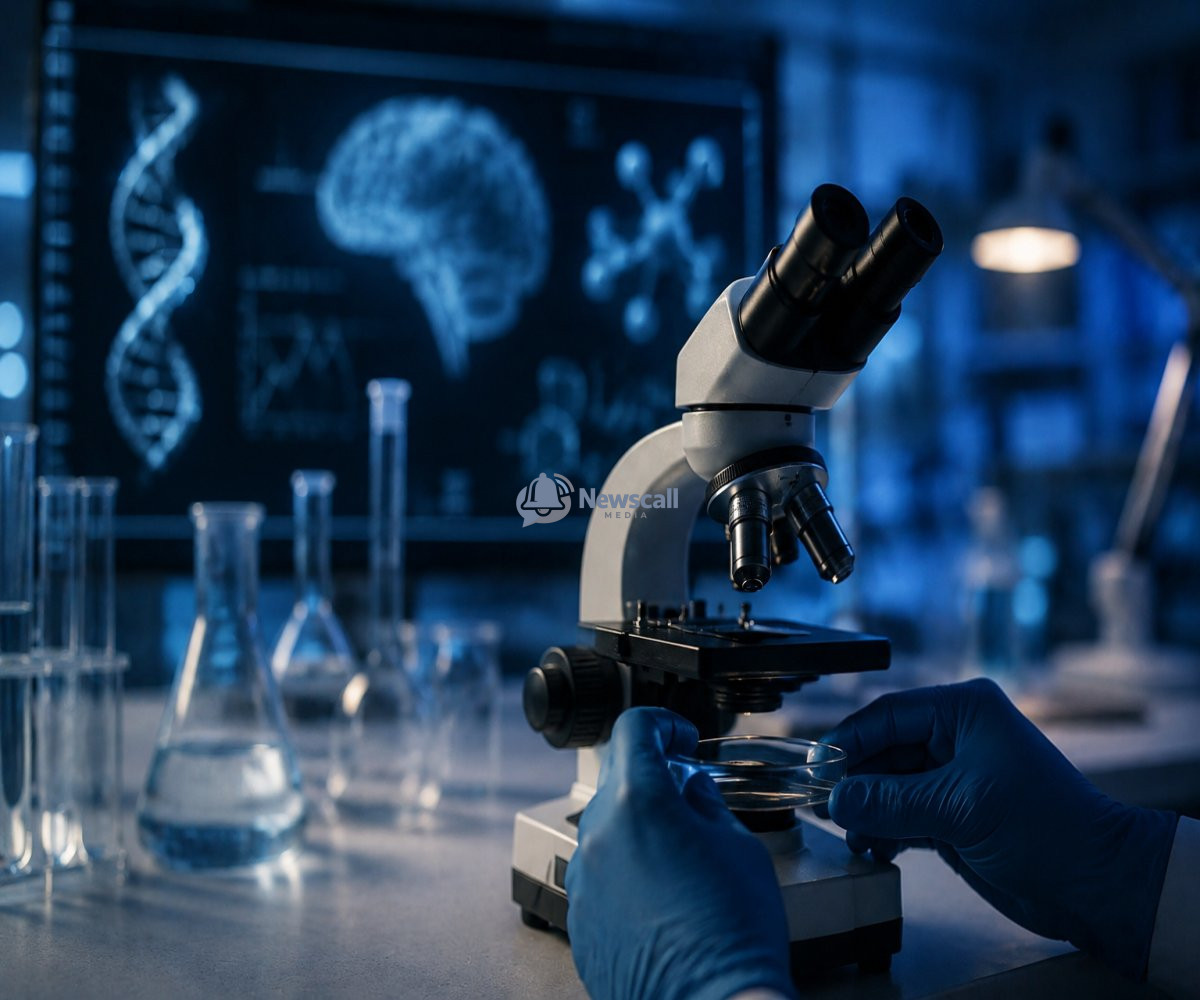
Researchers are developing methods to grow miniature organs and biological tissues in laboratory environments. These technologies could eventually help address organ shortages, improve drug testing, and transform modern medicine. What once seemed impossible is steadily becoming a scientific reality.
2. Brain-Computer Interfaces
Scientists are creating systems that allow direct communication between the human brain and computers. Early demonstrations have enabled people to control digital devices and robotic limbs using neural signals alone. For individuals with paralysis, this technology could become life-changing.
3. Quantum Computing
Unlike traditional computers, quantum computers operate using principles of quantum mechanics. Their unique processing capabilities could allow them to solve problems that would take conventional computers thousands of years to complete, potentially transforming fields ranging from medicine to cybersecurity.
4. Self-Healing Materials
Inspired by nature, researchers are designing materials capable of repairing damage automatically. Future bridges, vehicles, aircraft, and buildings may be able to recover from minor cracks and wear without human intervention, extending their lifespan and improving safety.
5. The Search for Life Beyond Earth
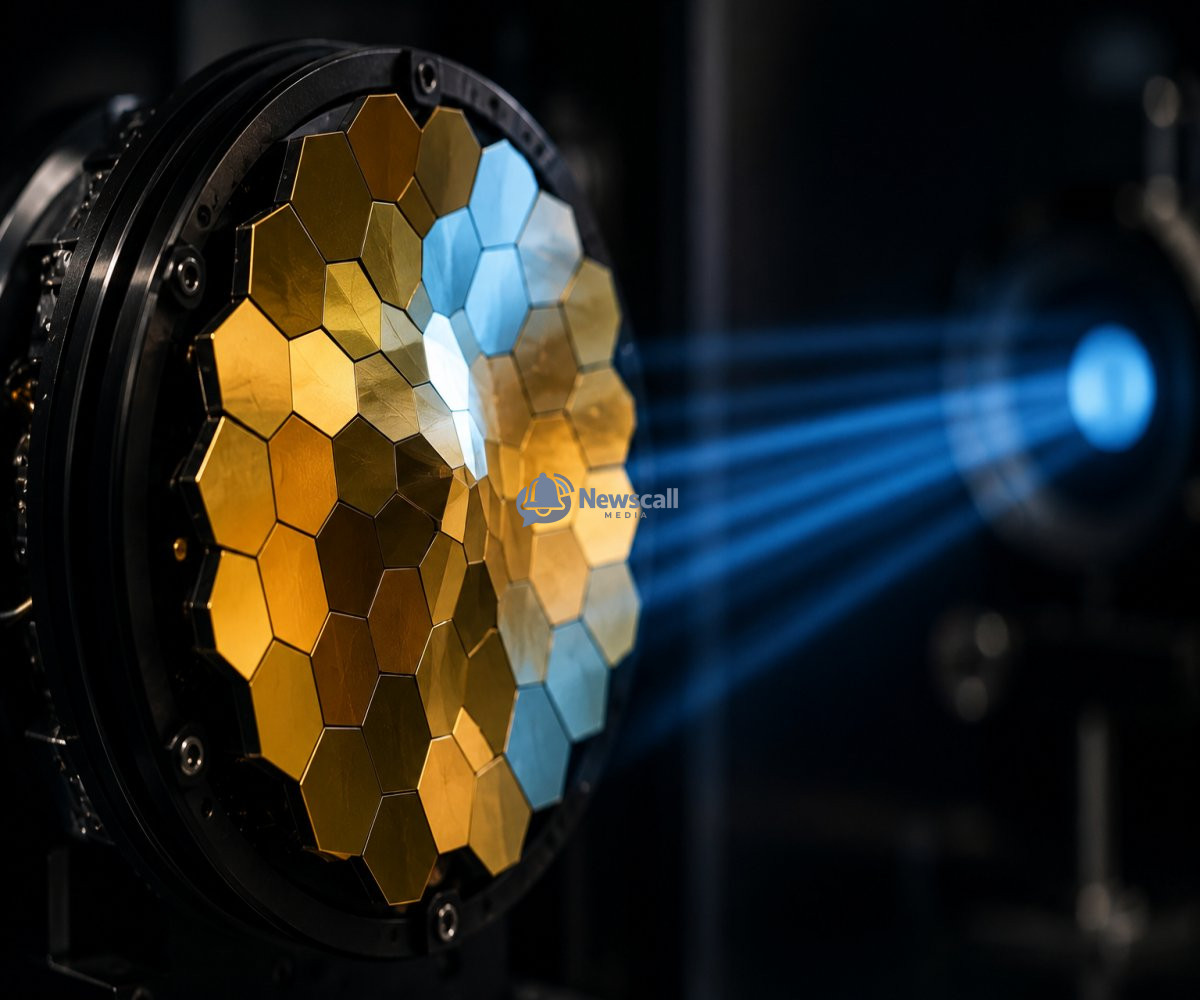
Advanced telescopes are now capable of studying distant planets in extraordinary detail. Scientists are analyzing planetary atmospheres and searching for signs that may indicate biological activity elsewhere in the universe. For the first time, humanity is approaching this question scientifically rather than philosophically.
6. Personalized Genetic Medicine
Medical treatments are becoming increasingly tailored to individual patients. Scientists are developing therapies that target specific genetic conditions, opening the door to more effective and precise healthcare than ever before.
7. Technologies That Could Slow Aging
Researchers are investigating ways to repair cellular damage associated with aging. While significant challenges remain, ongoing studies suggest that future treatments may help people maintain health and vitality for longer periods of time.
8. Advanced Robotics and Human Augmentation
Modern robotics is evolving beyond industrial applications. Engineers are creating robotic systems, wearable exoskeletons, and assistive technologies that can enhance human capabilities and improve mobility for people with disabilities.
What makes these discoveries remarkable is not just their individual potential but their combined impact. Advances in computing accelerate medical research. New materials improve energy systems. Artificial intelligence speeds up scientific discovery. Innovation is becoming increasingly interconnected.
History shows that people often underestimate how quickly transformative technologies move from laboratories into everyday life. Smartphones, GPS navigation, and modern AI all arrived faster than many expected.
The same may happen with today's emerging discoveries.
Many of the breakthroughs that sound like science fiction today could become ordinary within our lifetime. And if history has taught us anything, it is that the future often arrives long before people realize it.

Victor Oluebubechukwu Akuma.
Creative writer